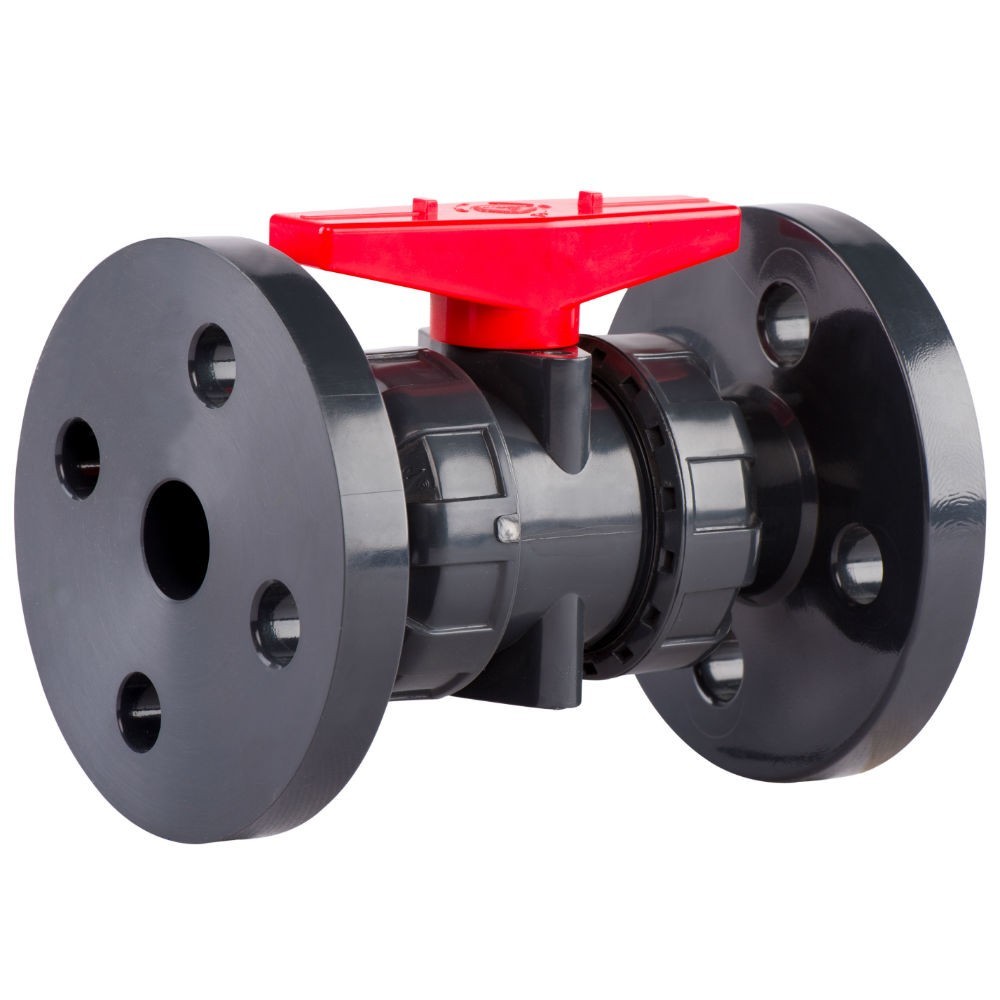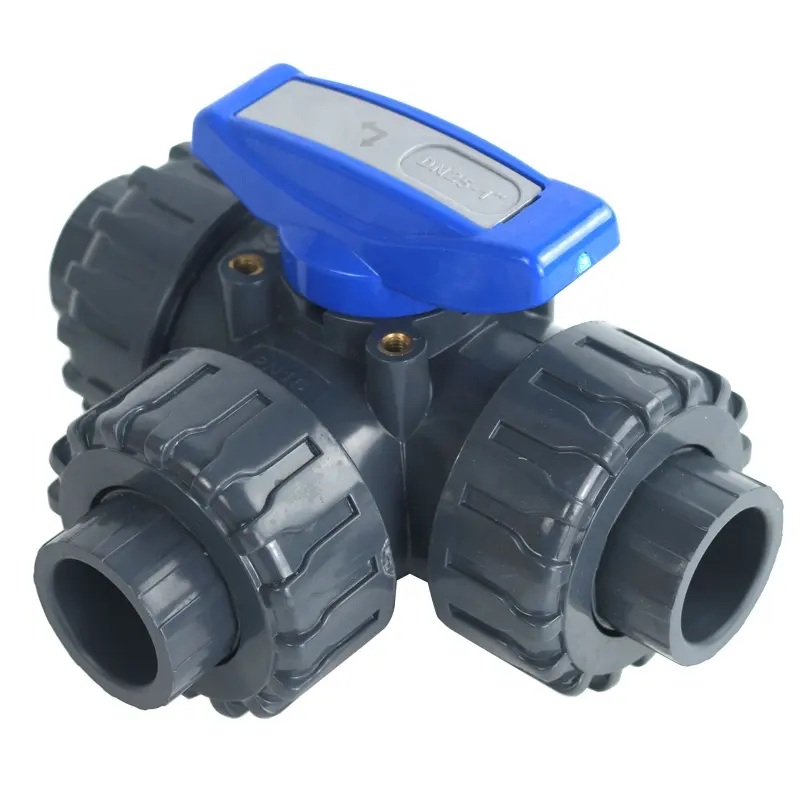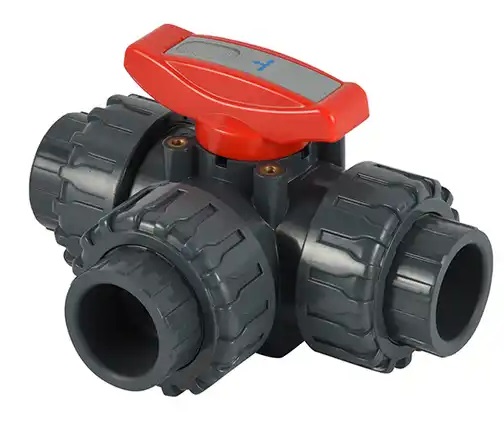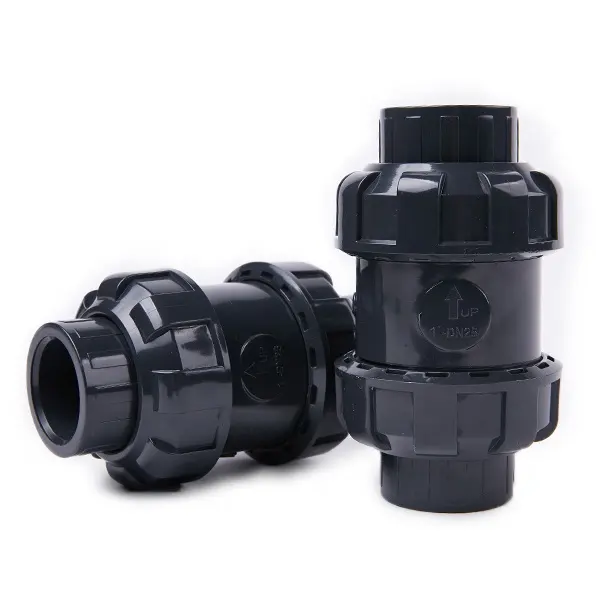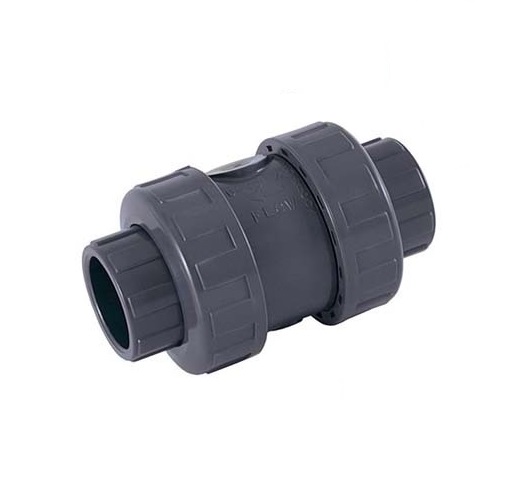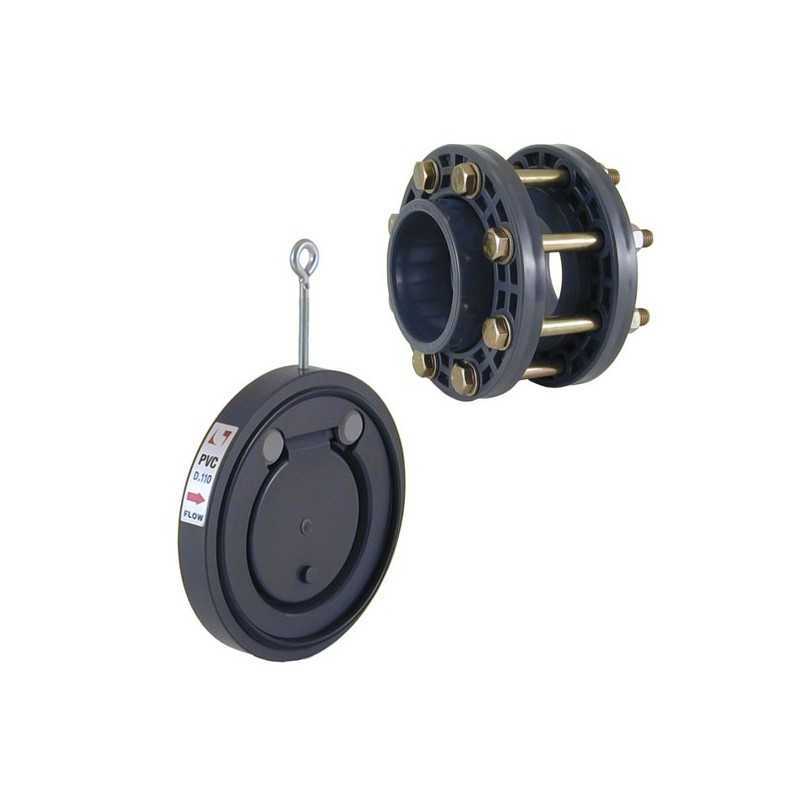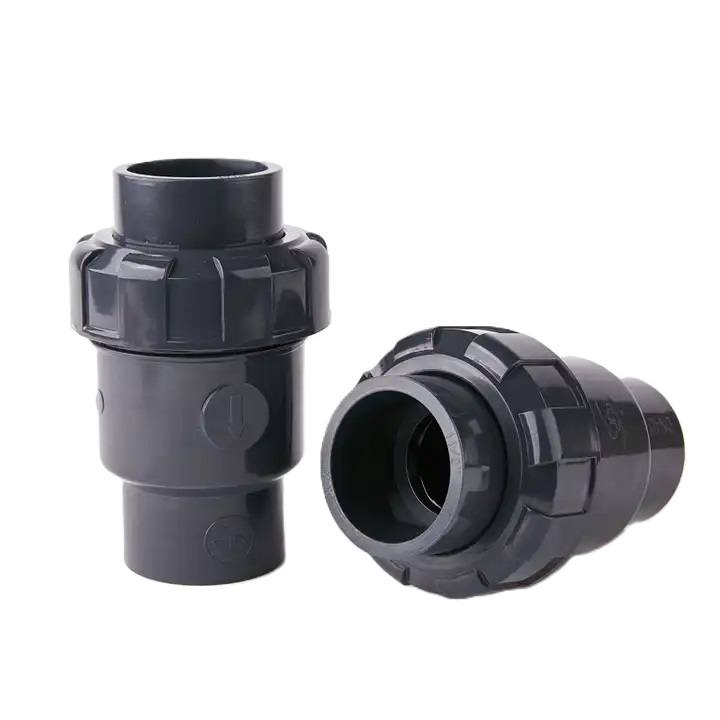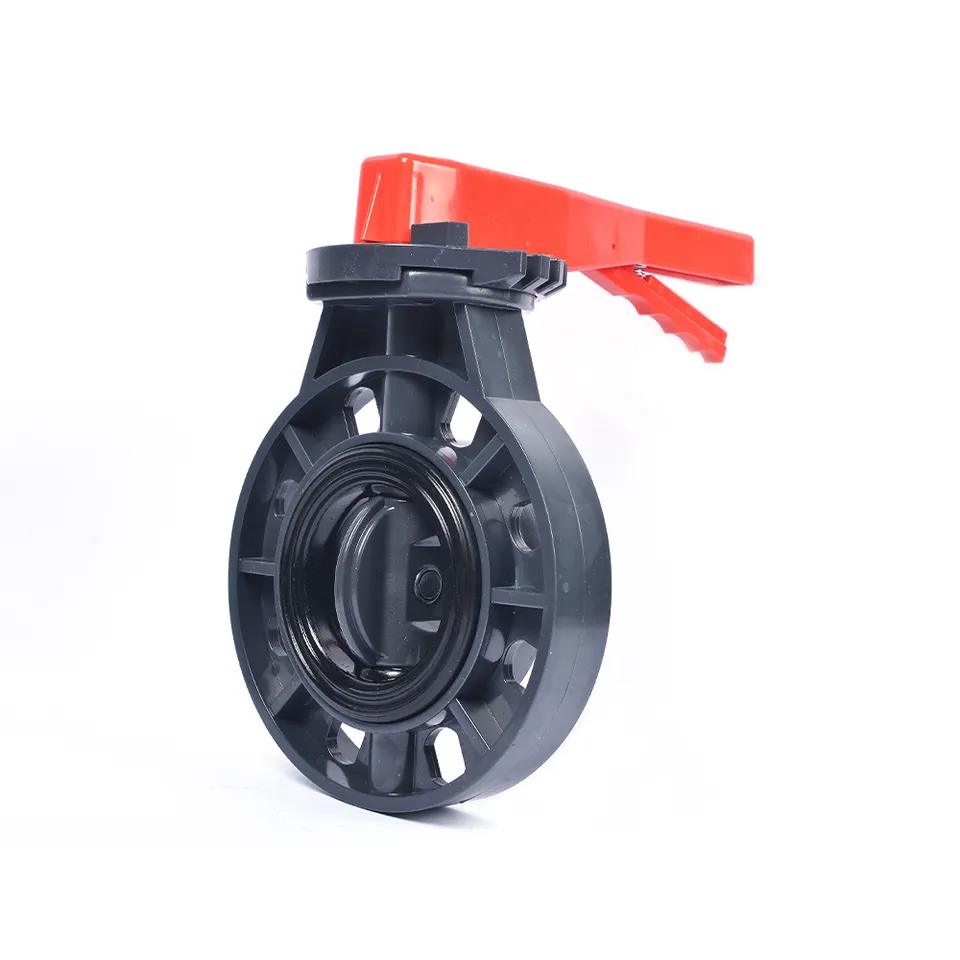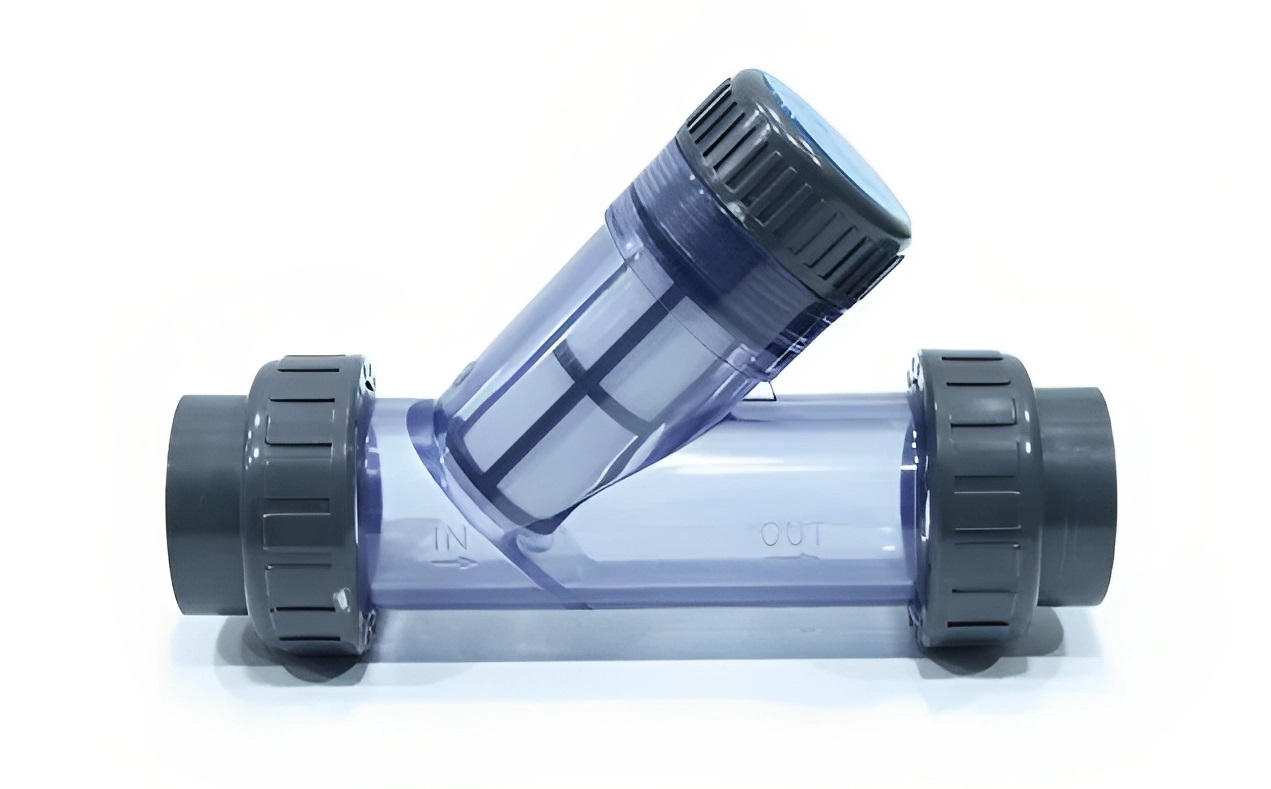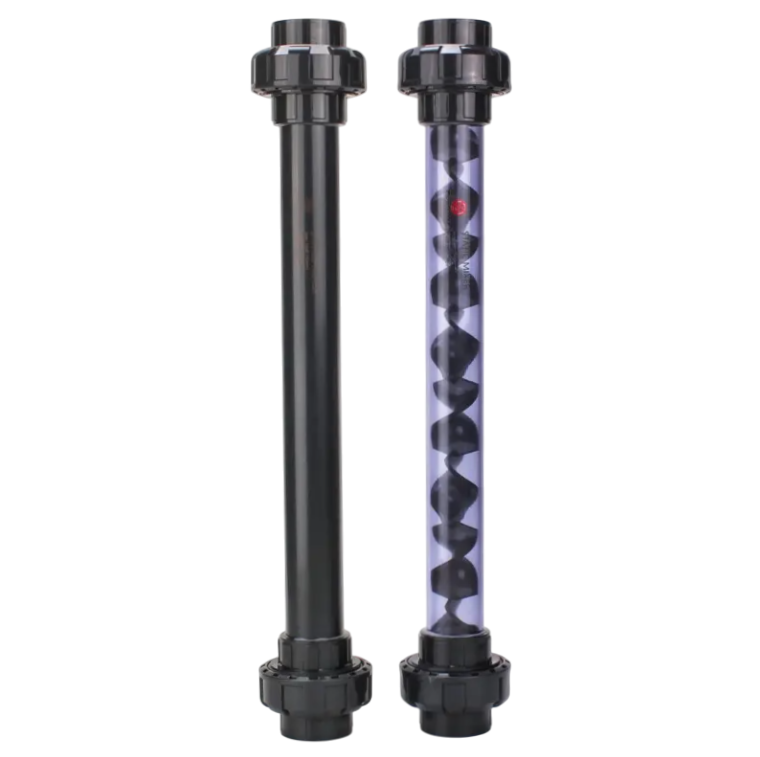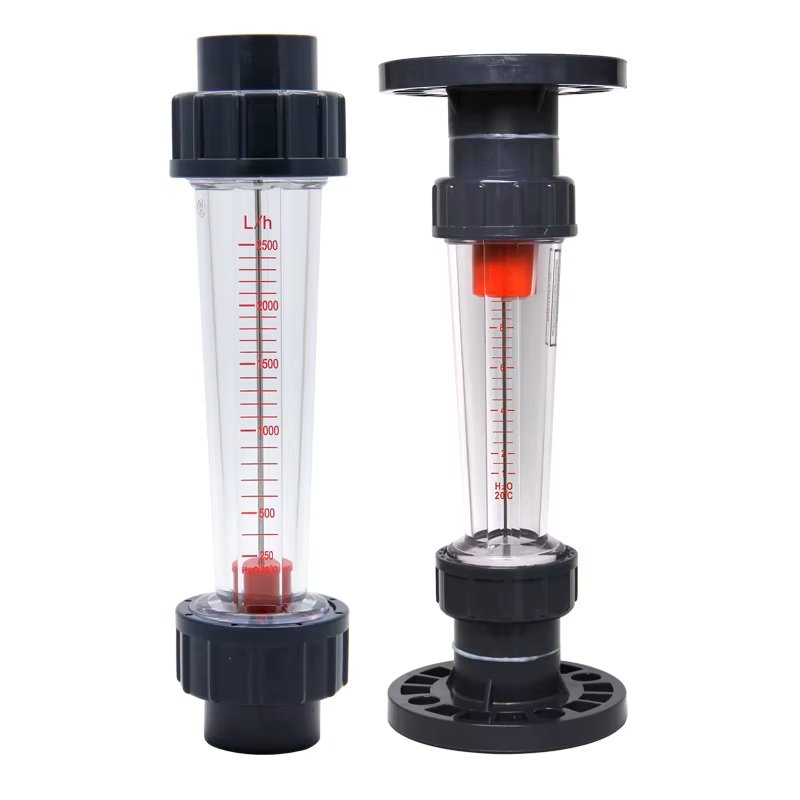
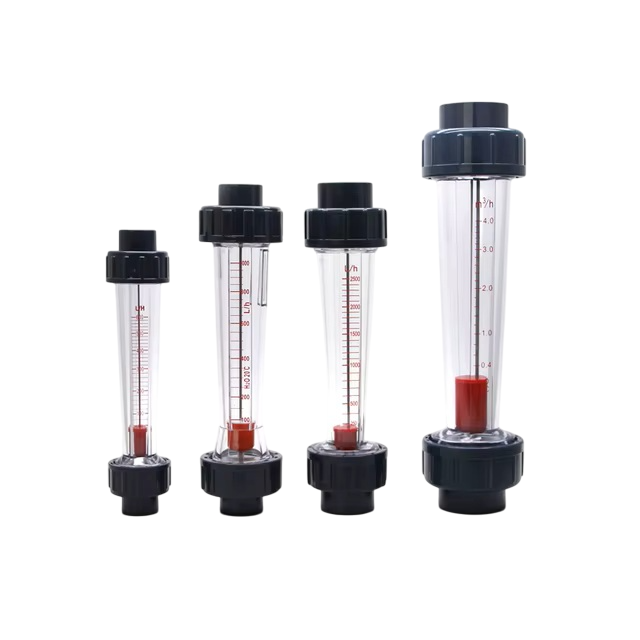
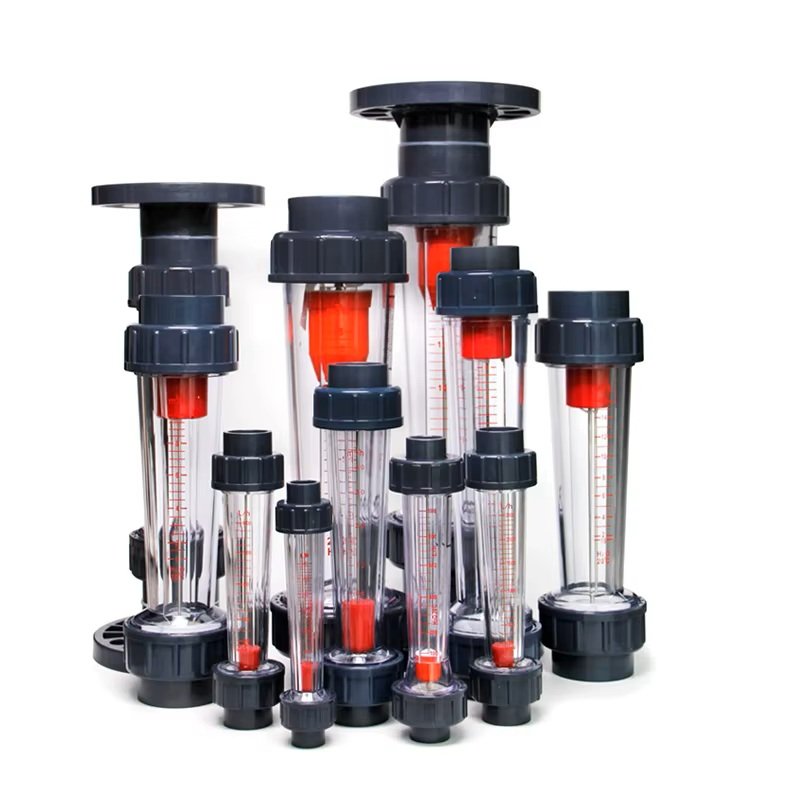
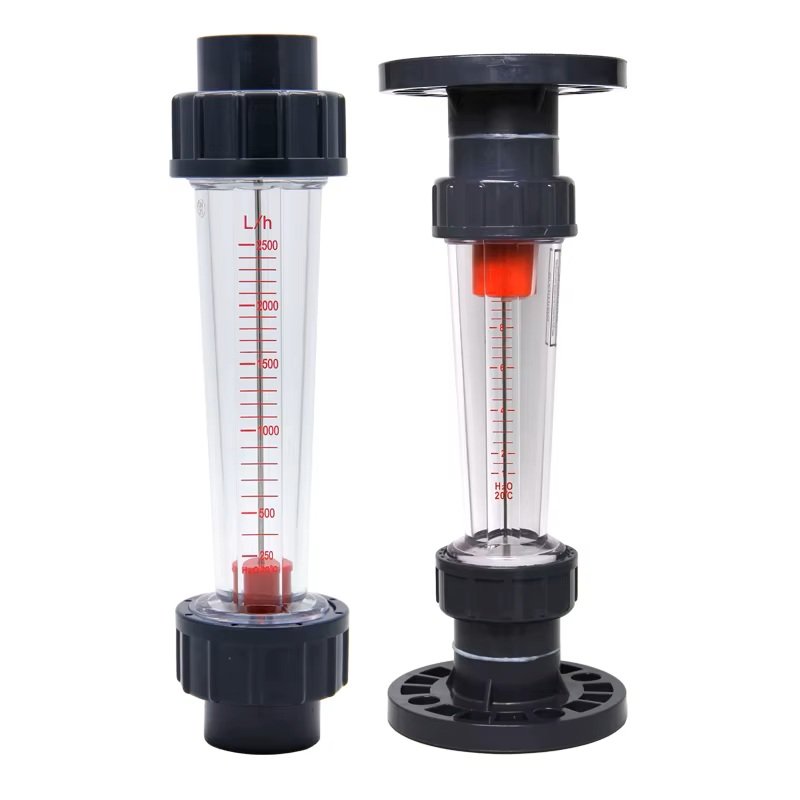
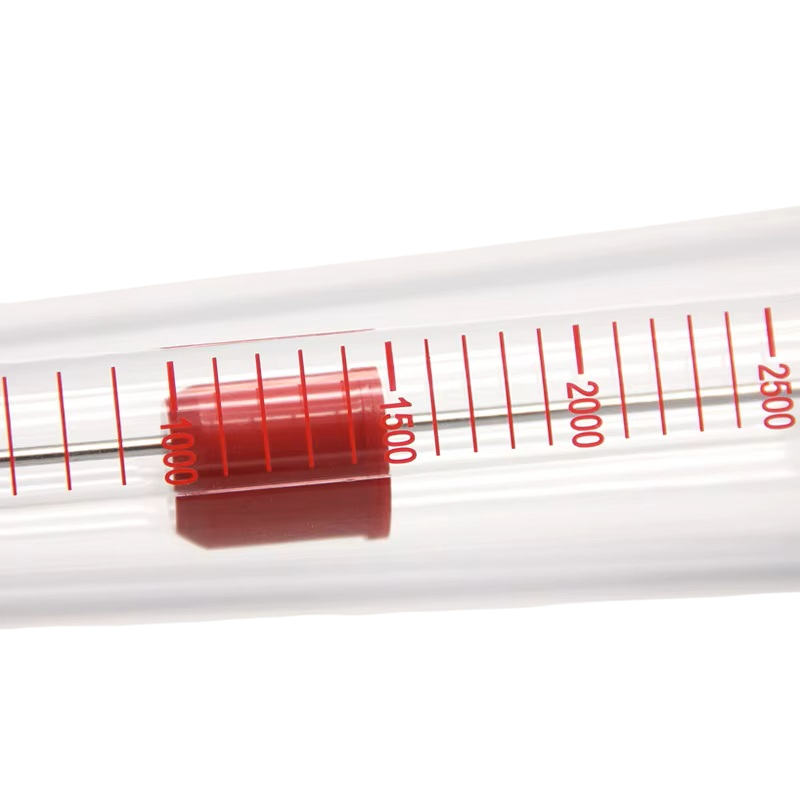
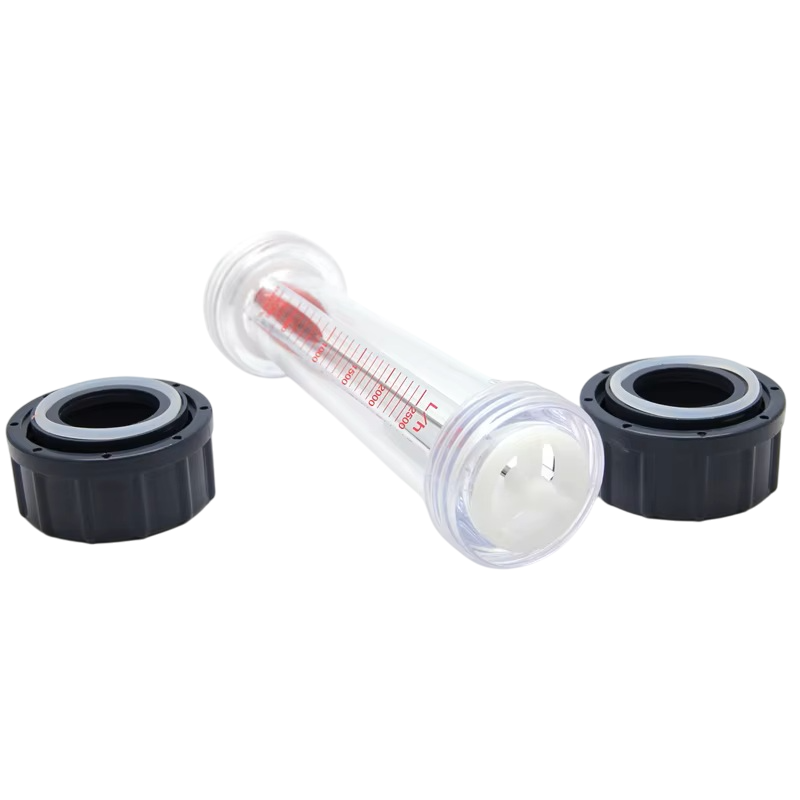
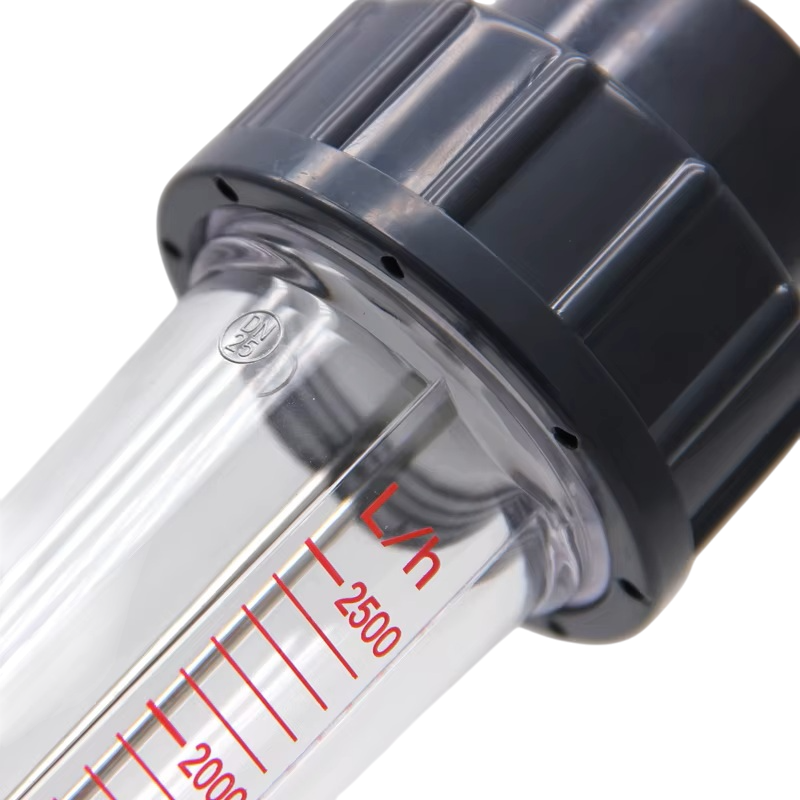
EVA make Unplasticized Polyvinyl Chloride (UPVC) online rotameter is a type of variable area flow meter designed for direct installation ("online") into a pipeline. It measures the volumetric flow rate of liquids or gases by indicating the position of a float within a tapered tube. This type is particularly suited for applications requiring high chemical resistance and cost-effectiveness.
How it works
The fundamental operating principle of a UPVC online rotameter is based on the variable area concept:
- Tapered tube: A fluid enters the bottom of a transparent, vertically-mounted tapered tube.
- Float movement: The upward force of the fluid flow raises a float inside the tube. As the float moves up, the annular area between the float and the tube wall increases.
- Equilibrium: The float rises until the upward force from the fluid is balanced by the downward gravitational force on the float.
- Reading the flow: The height of the float at this equilibrium point is directly proportional to the flow rate and can be read from a scale on the outside of the tube.
Key features and benefits
- Corrosion resistance: UPVC construction provides excellent resistance to acids, alkalis, and other corrosive fluids, making it ideal for water treatment, chemical processing, and other aggressive applications.
- Cost-effective: UPVC and other plastic materials are generally more affordable than metal options, offering a simple and economical flow measurement solution.
- No external power: As a mechanical device, a rotameter does not require an external power source to operate, which makes it suitable for remote or hazardous locations.
- Simple to install: Online rotameters are designed for straightforward installation directly into the process line using threaded or flanged end connections.
- Linear scale: The measurement scale on a rotameter is linear, which provides an easy-to-read, direct visual indication of the flow rate.
- Visual process indication: The transparent tube allows for visual inspection of the process fluid, which helps in spotting issues like cloudiness or air bubbles.
- Low pressure drop: The pressure drop across a rotameter is relatively low and remains constant for a given flow rate.
Limitations
- Vertical mounting required: For the gravity-dependent float to operate correctly, rotameters must be installed in a strict vertical position.
- Fluid transparency: For manual readings, the process fluid must be transparent enough to see the float's position.
- Limited accuracy: Rotameters generally have lower accuracy than more advanced flow measurement technologies, often ranging between 1-10% of full-scale deflection (FSD).
- Susceptibility to pulsations: The float can become unstable during pulsating flow, making it unsuitable for applications with non-steady flow.
- Temperature and pressure limits: UPVC has temperature and pressure limitations that must be considered. For example, some models are limited to around 70-90°C and 10 bar pressure.
- Sensitivity to fluid properties: Changes in the fluid's viscosity and density can affect the measurement accuracy.
Common applications
- Water and wastewater treatment
- Reverse osmosis (RO) systems
- Laboratories and pilot plants
- Corrosive fluid handling
- Industrial process monitoring