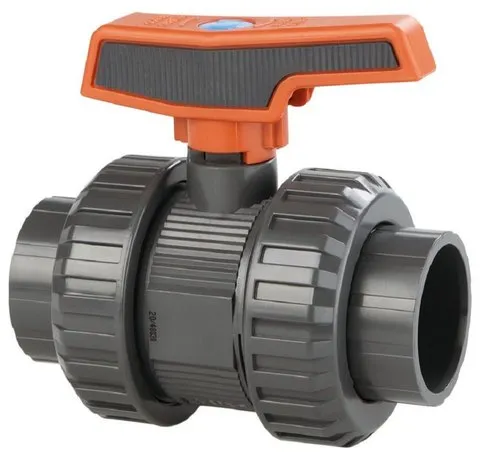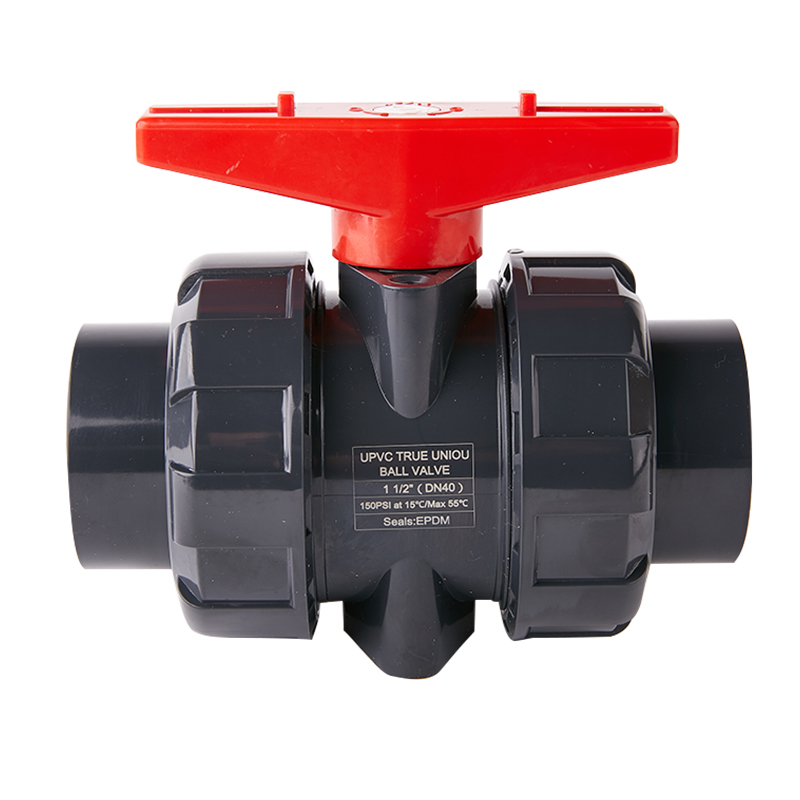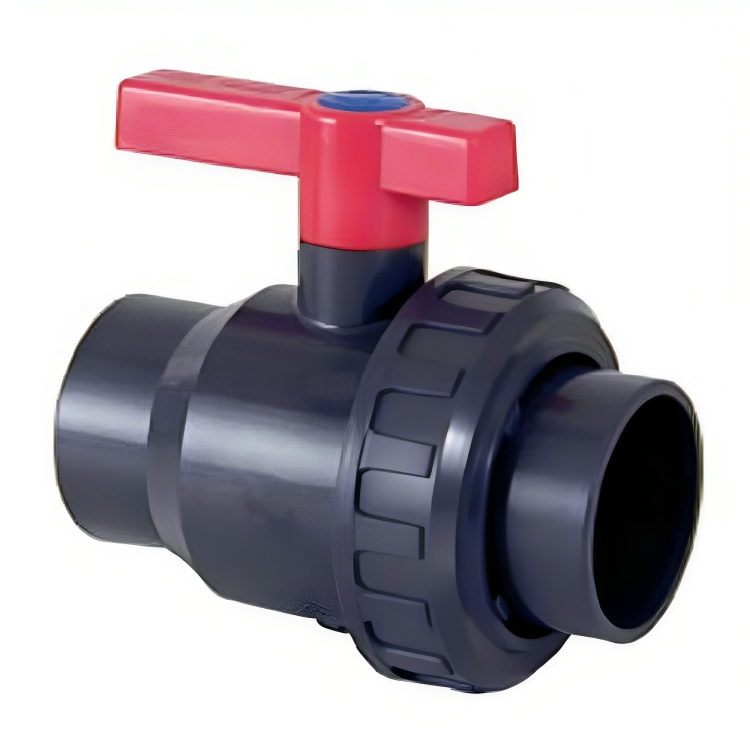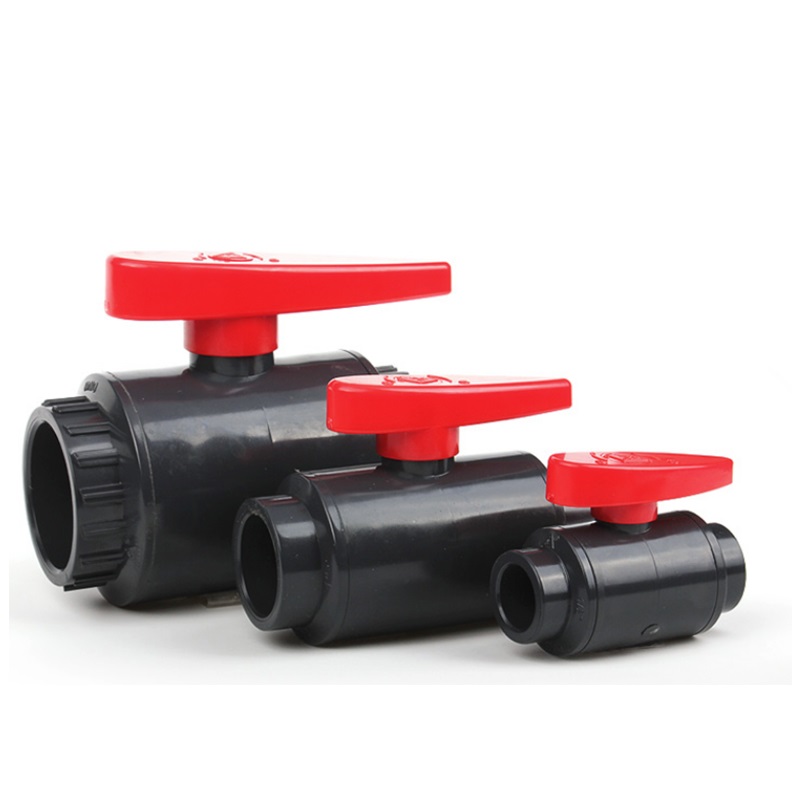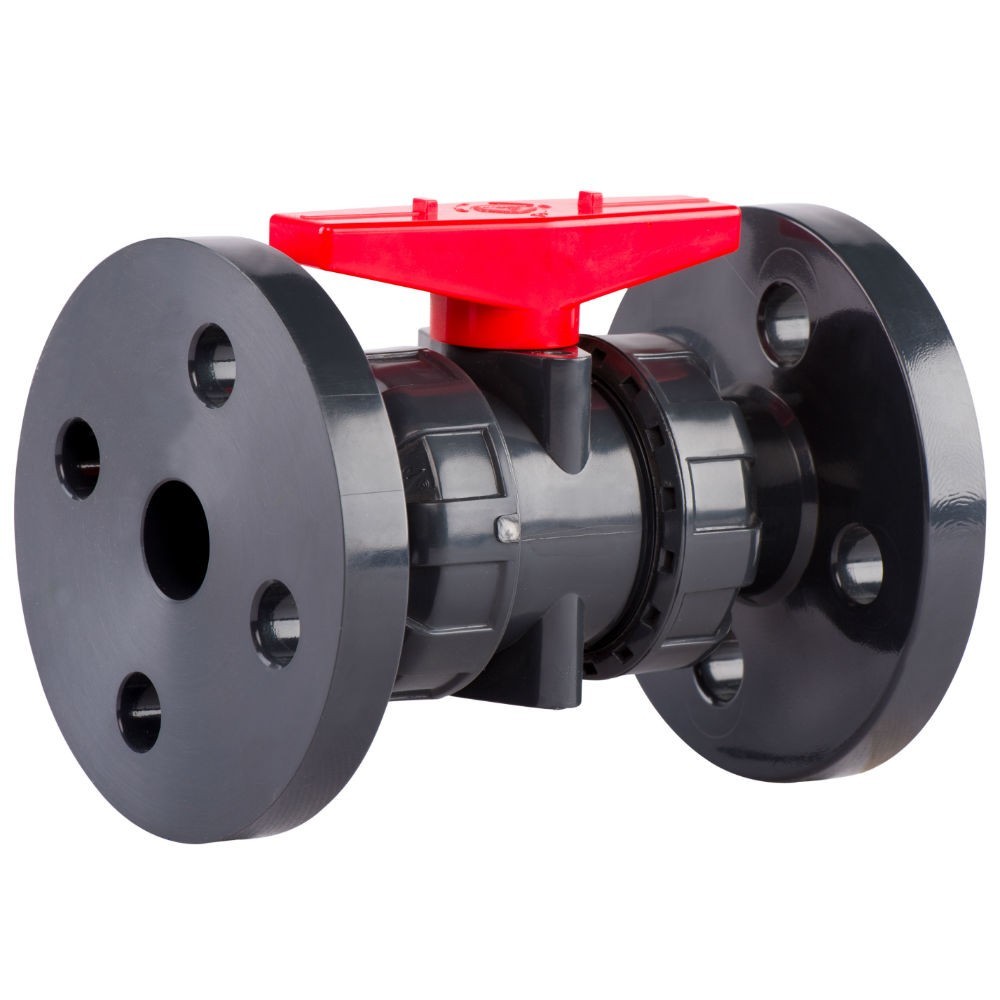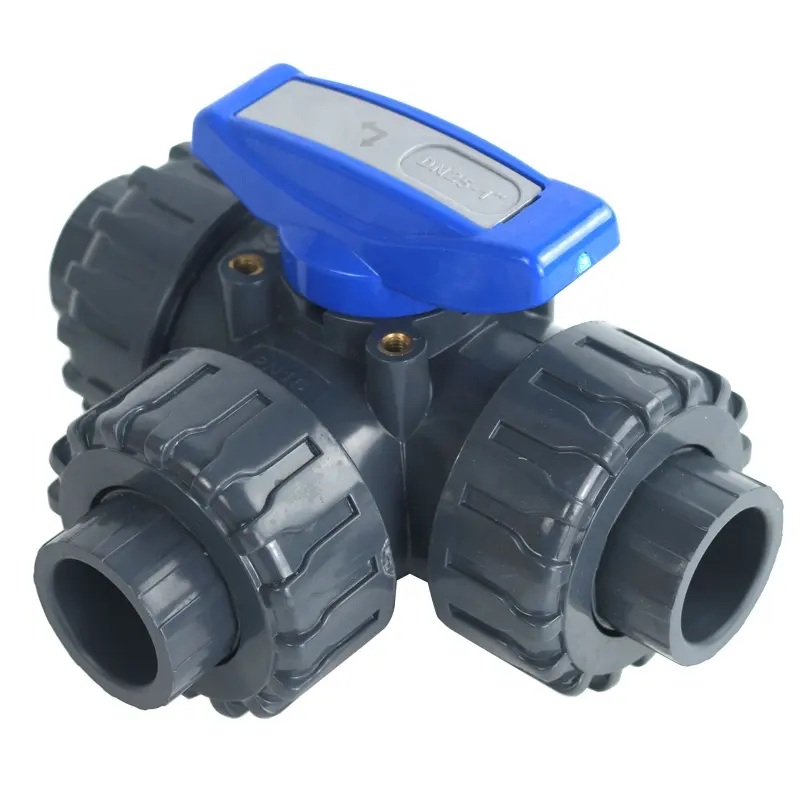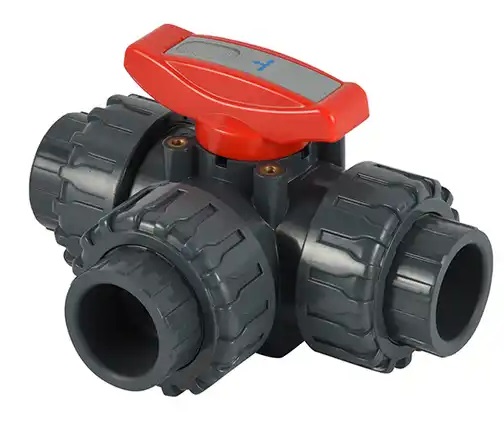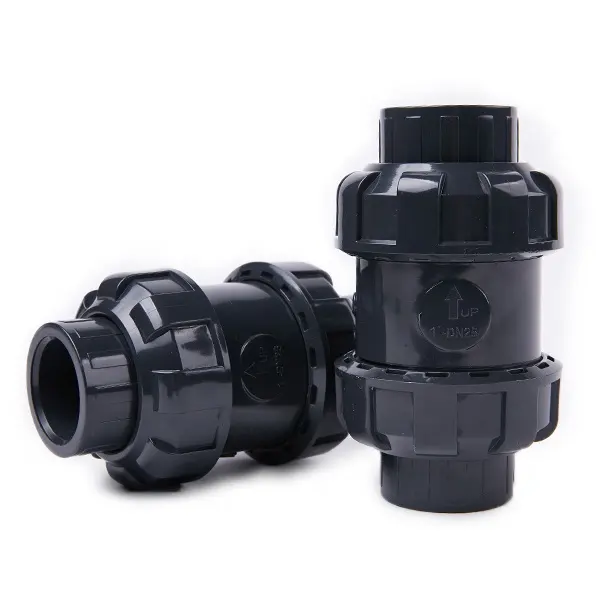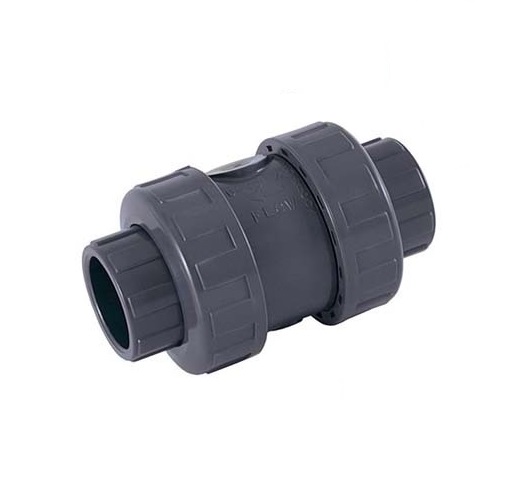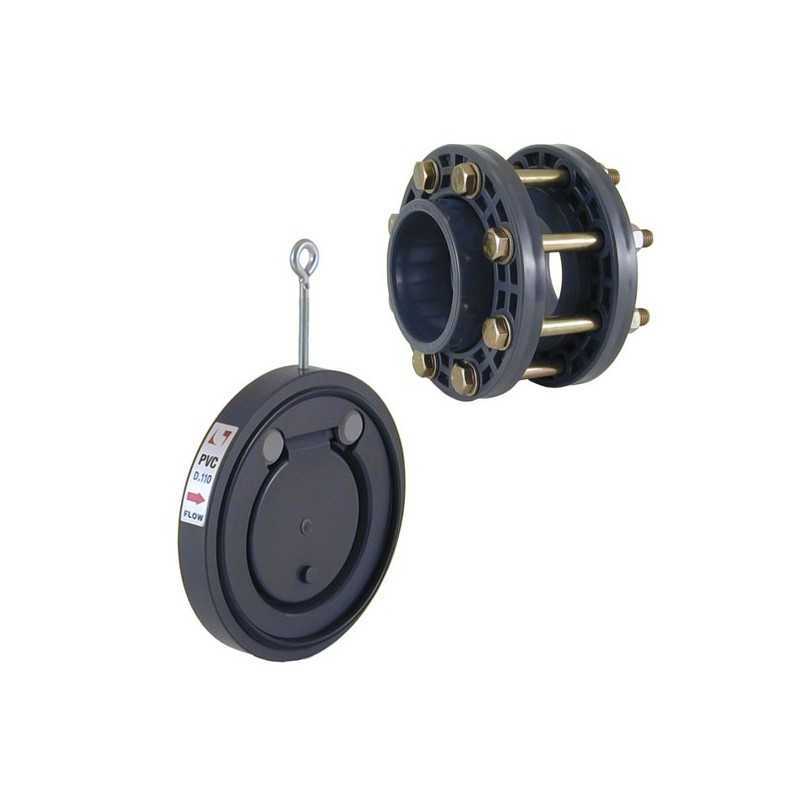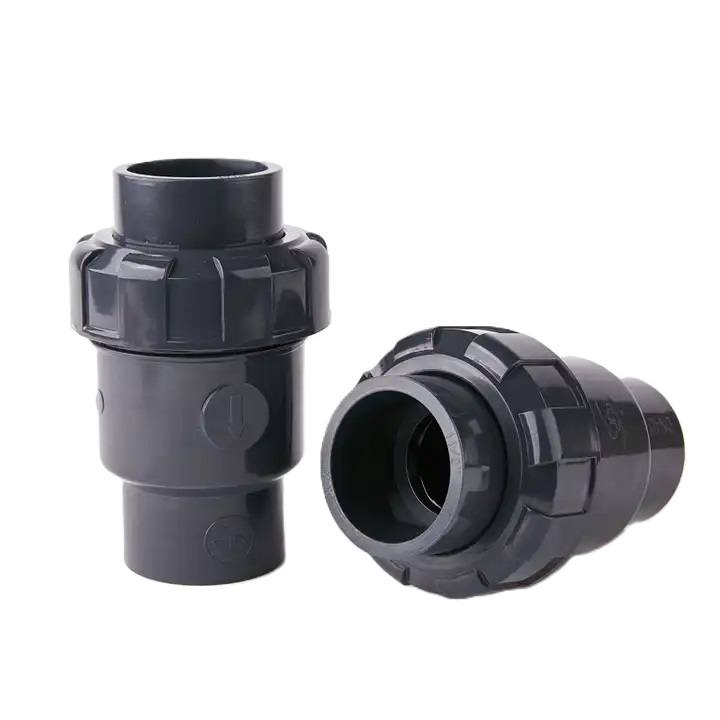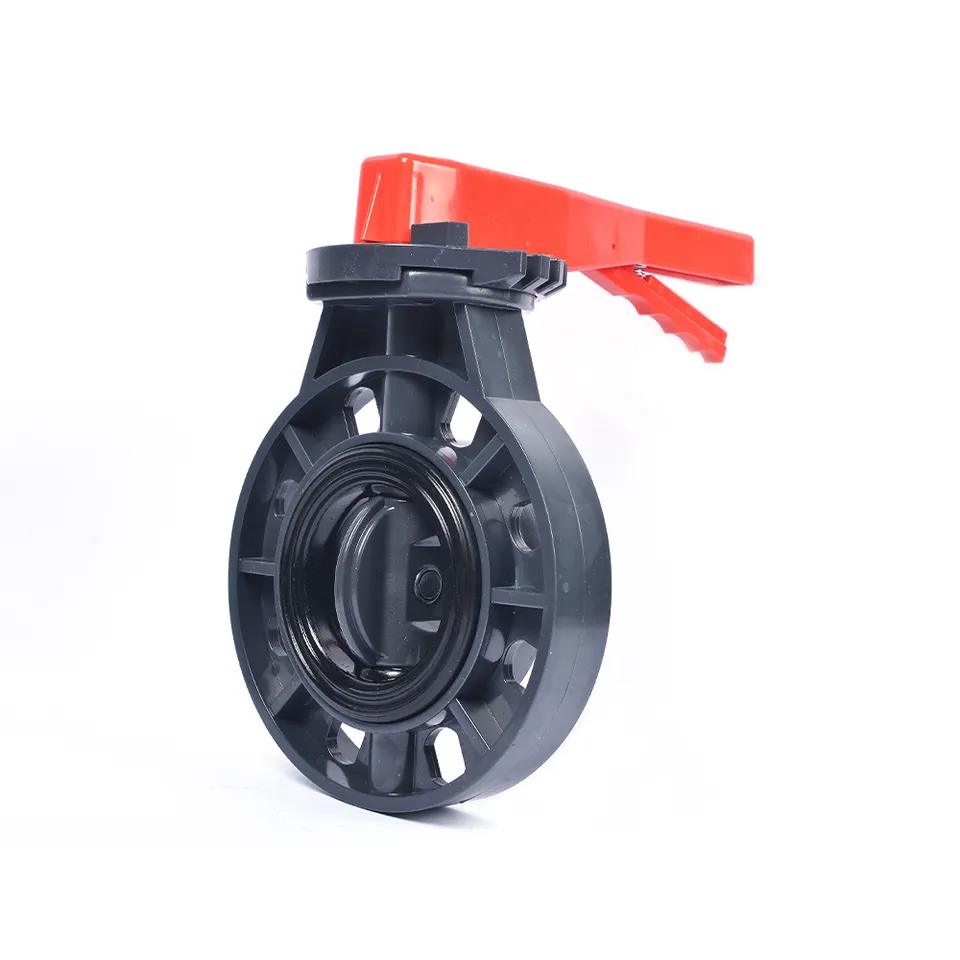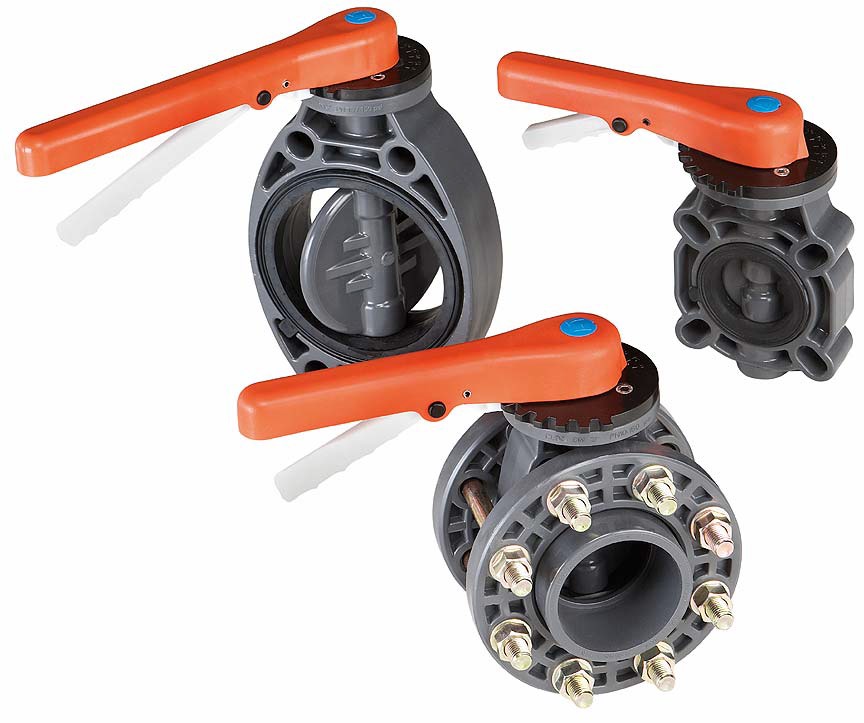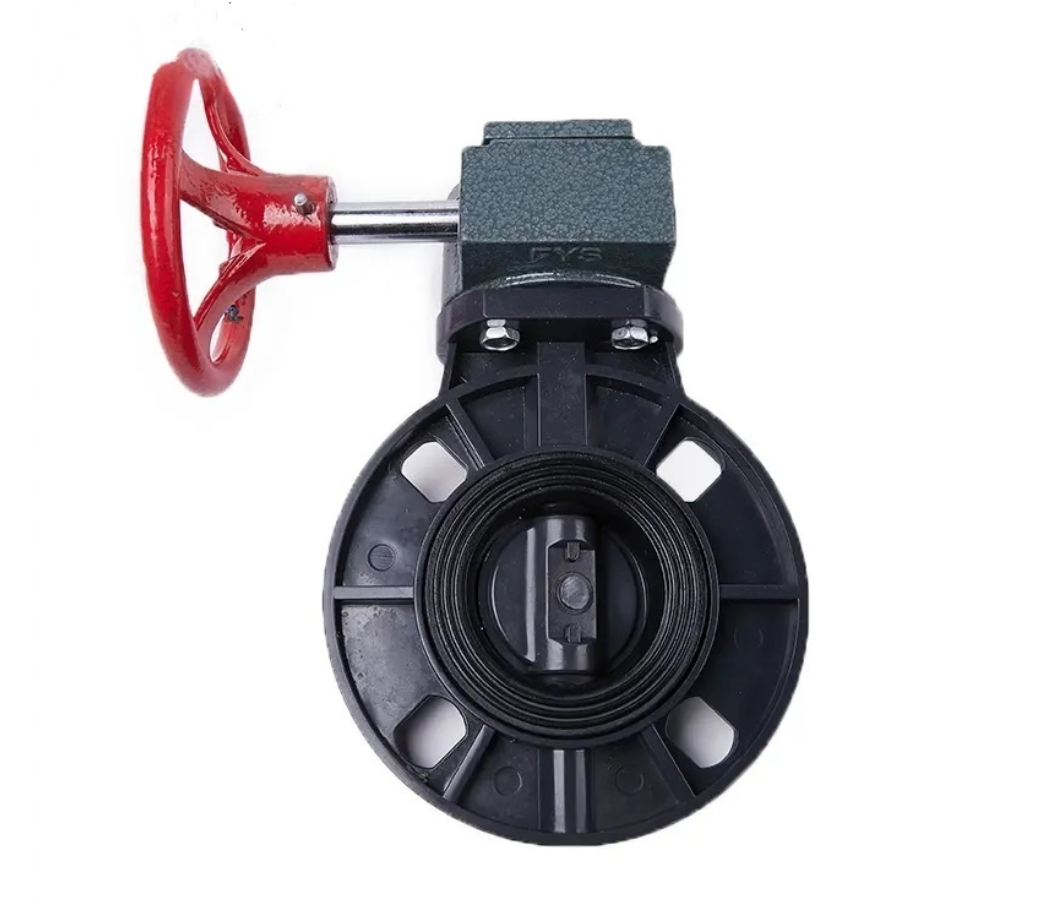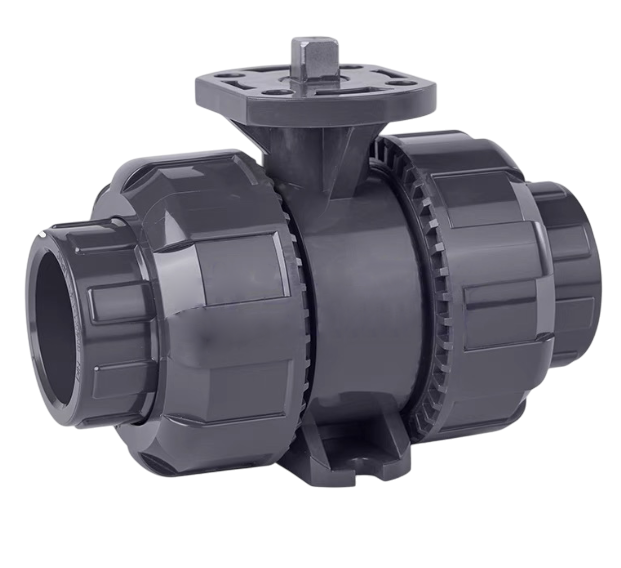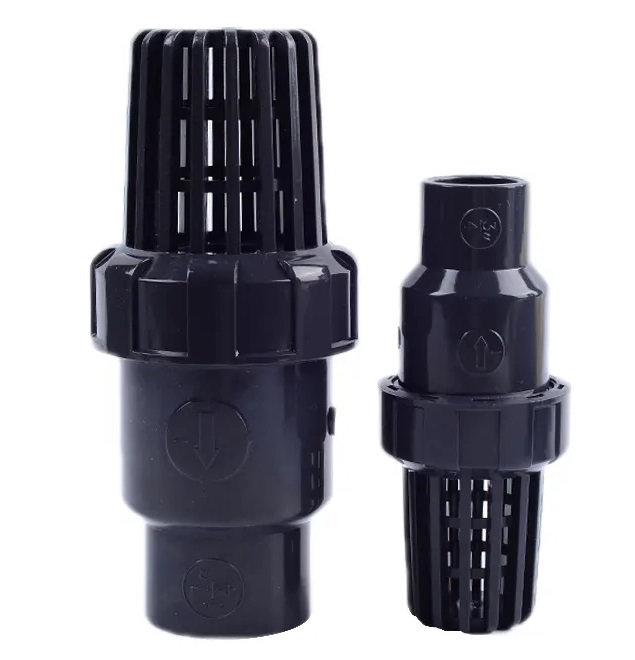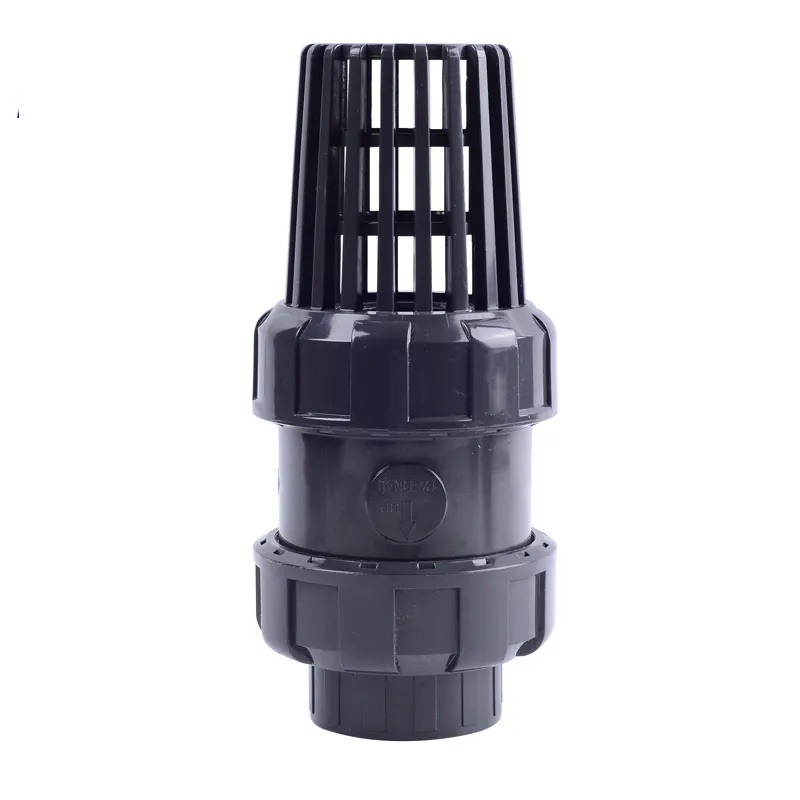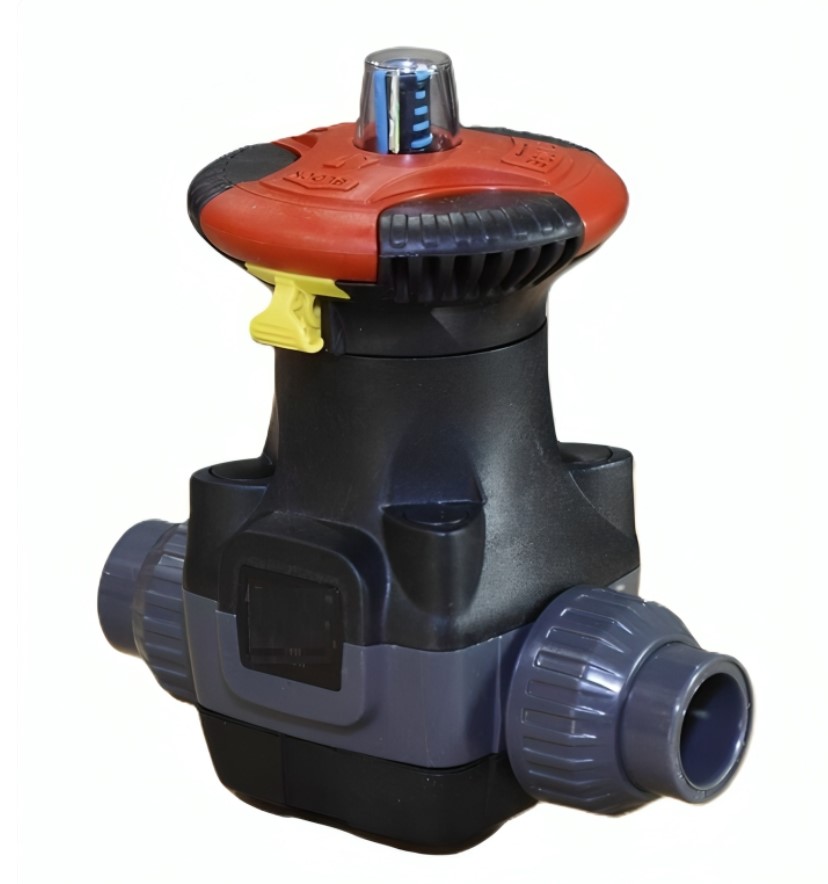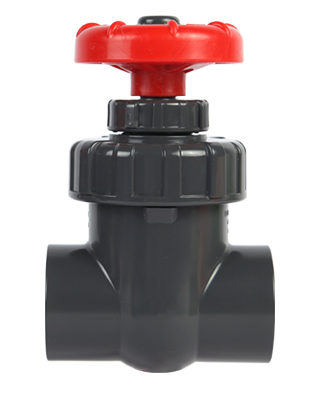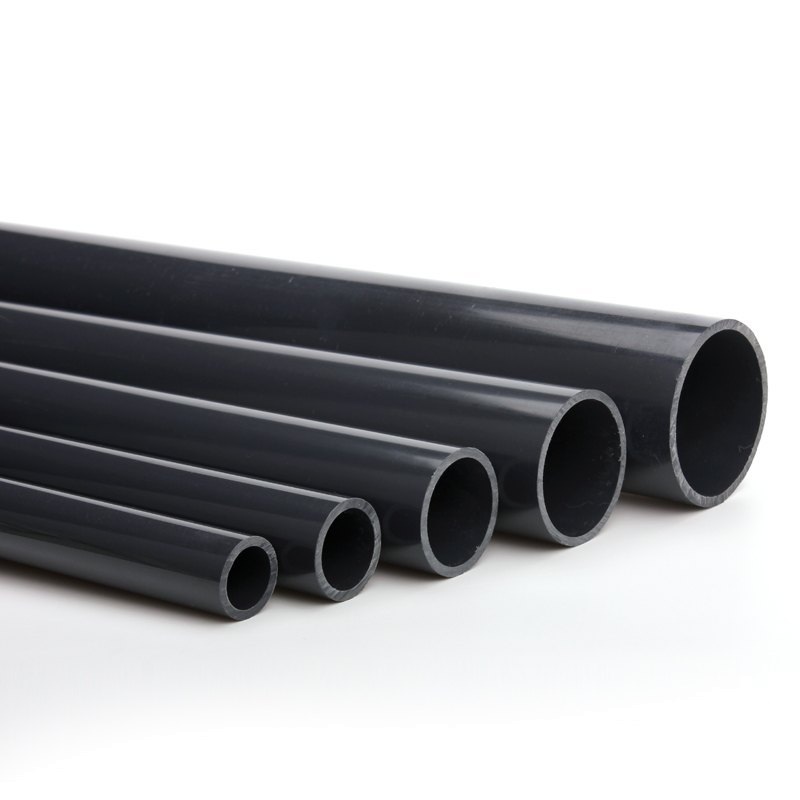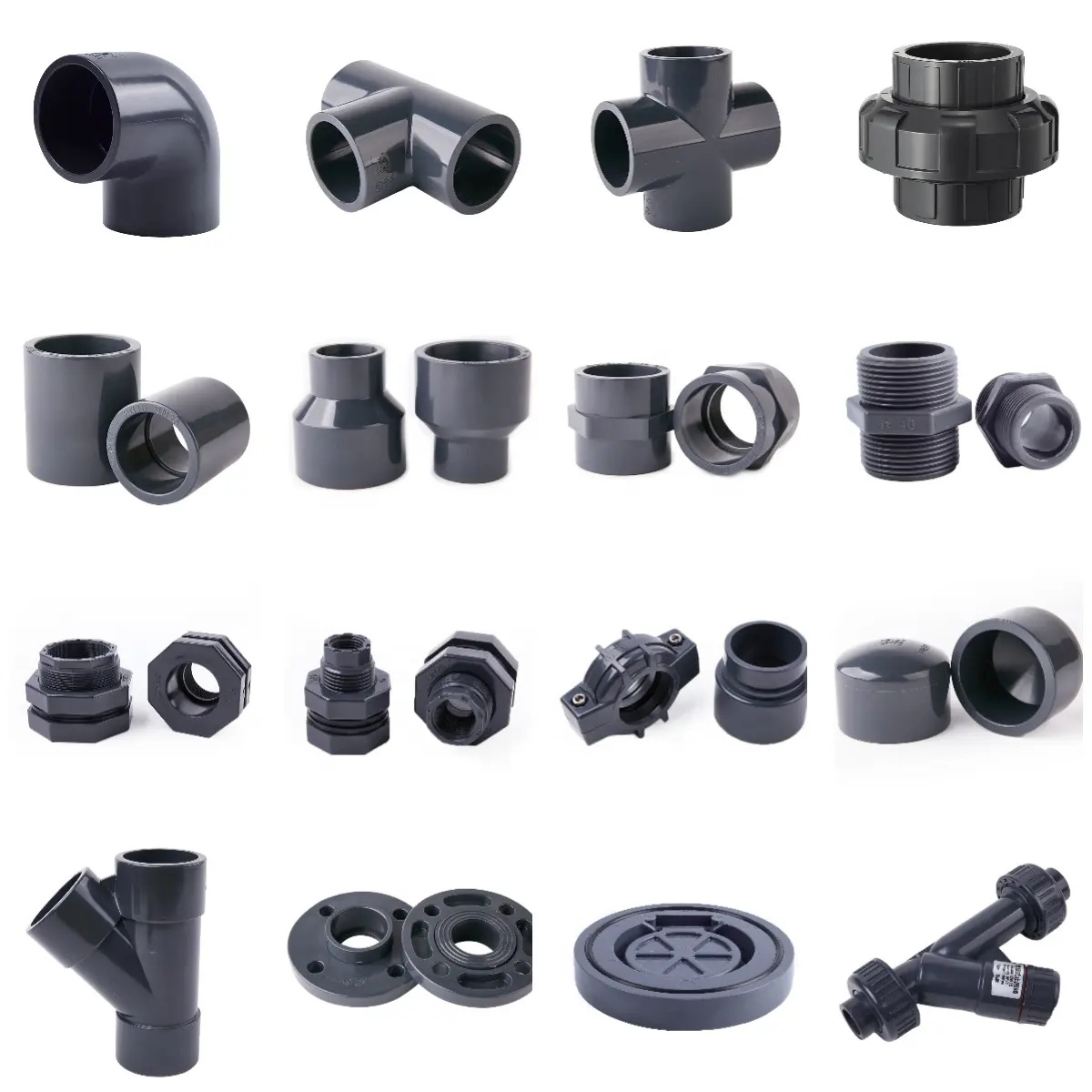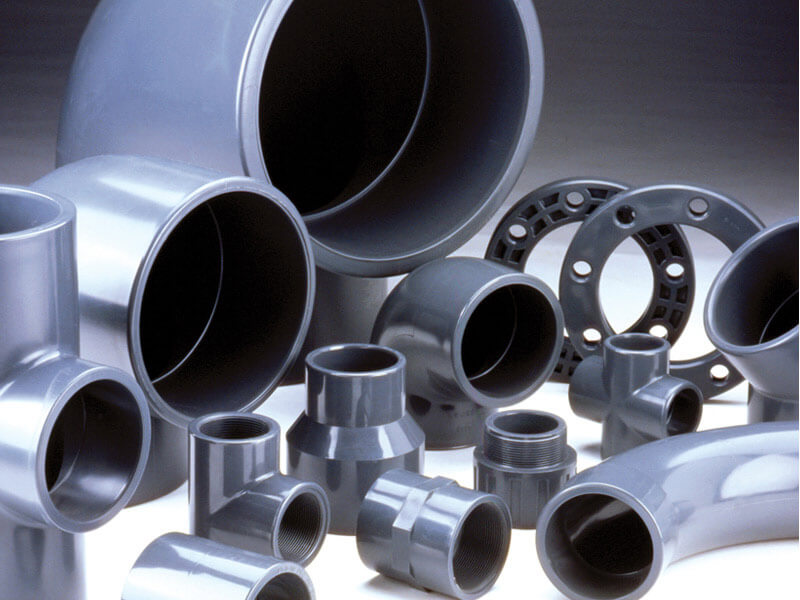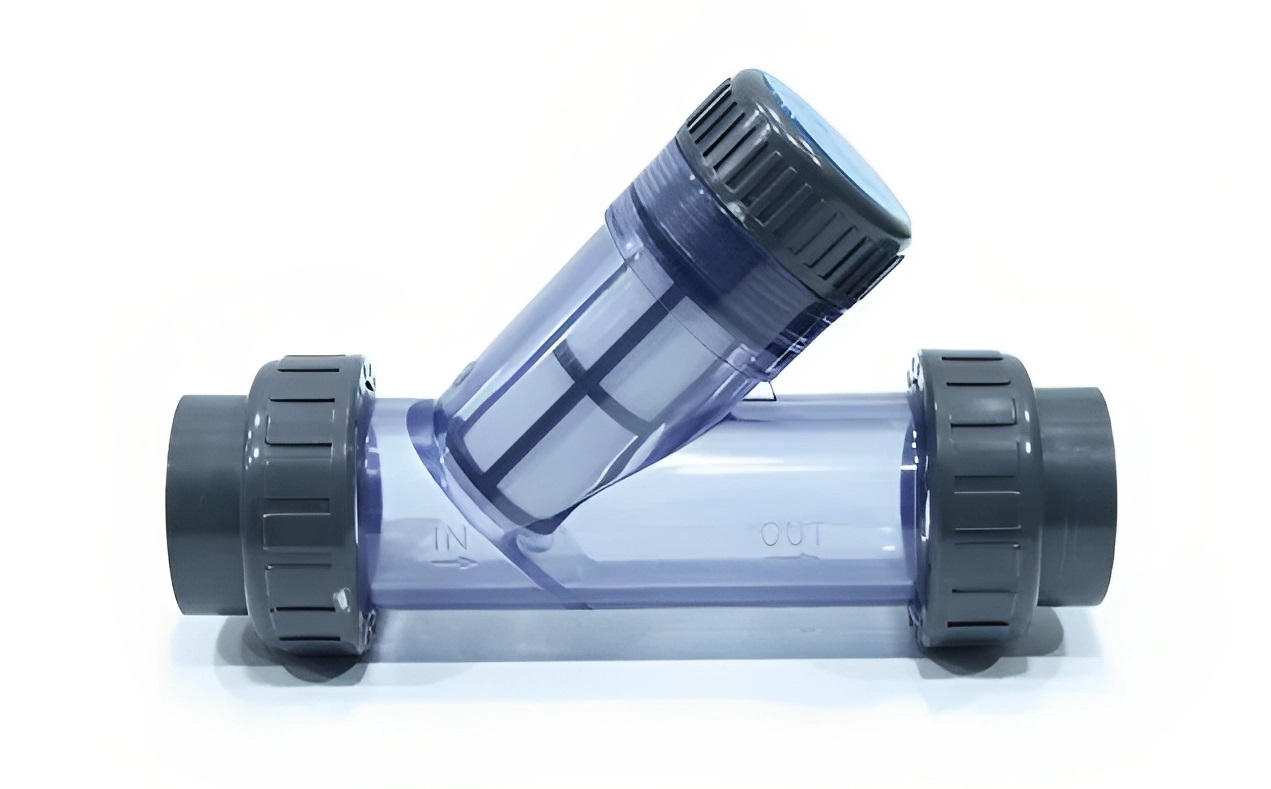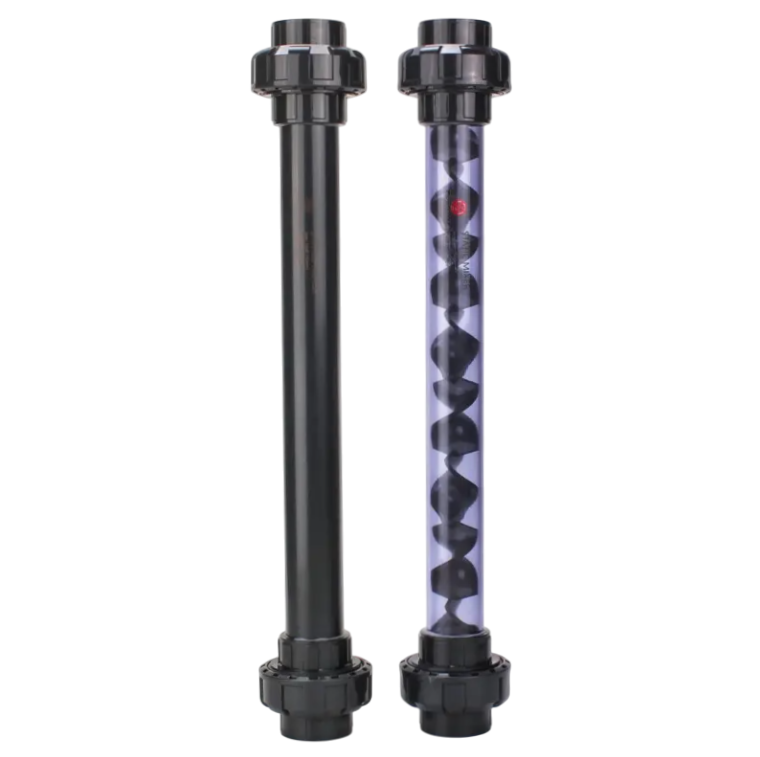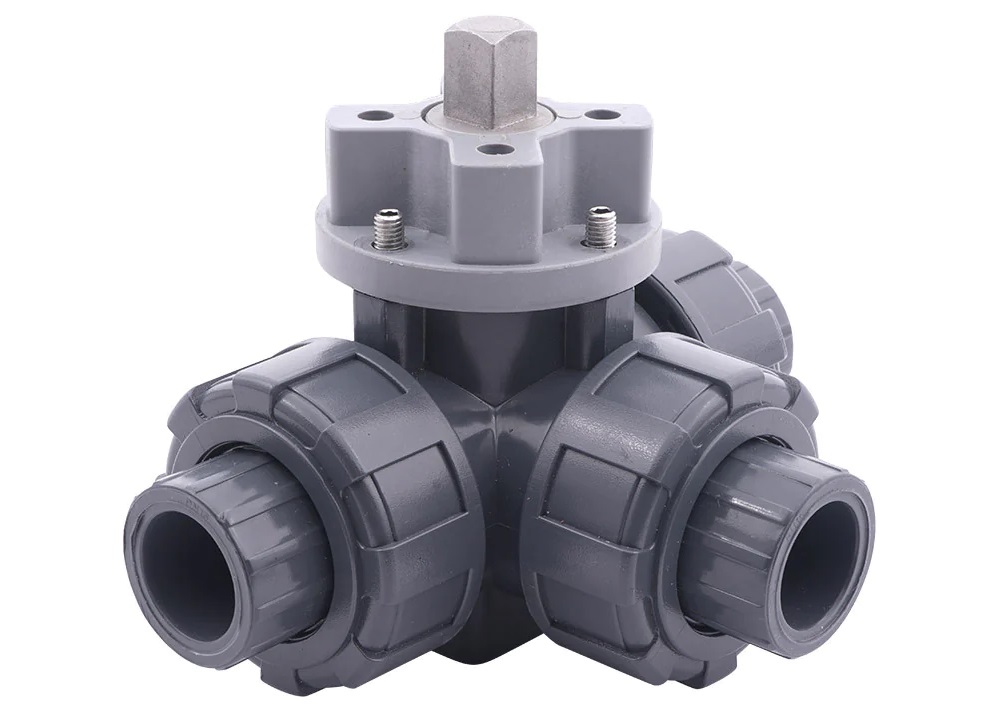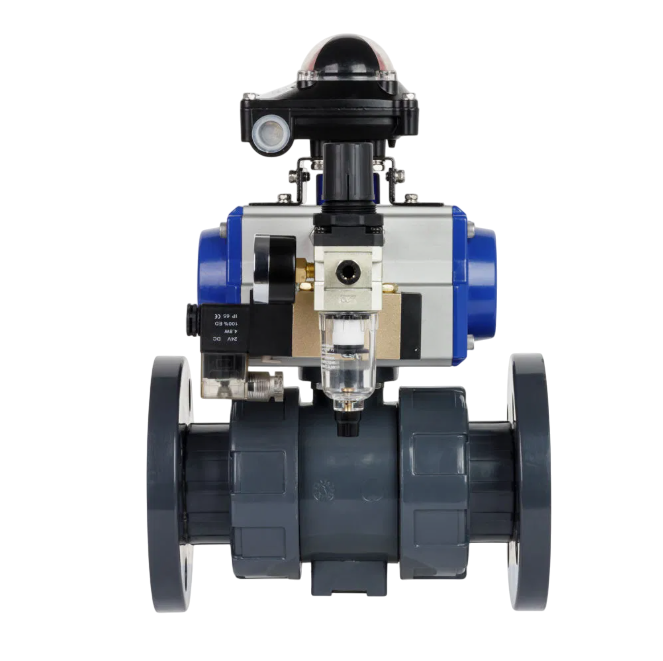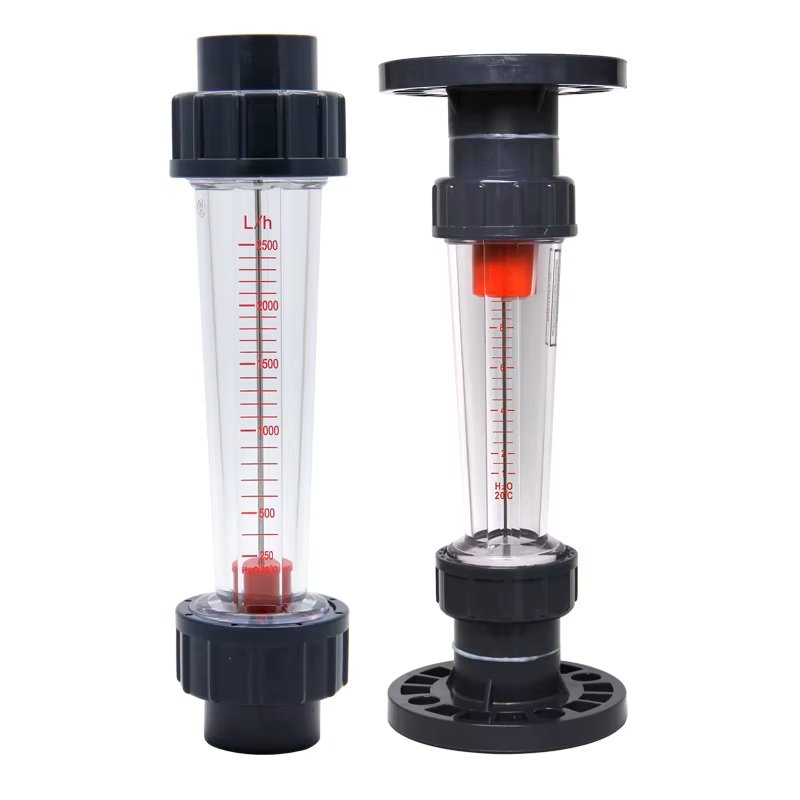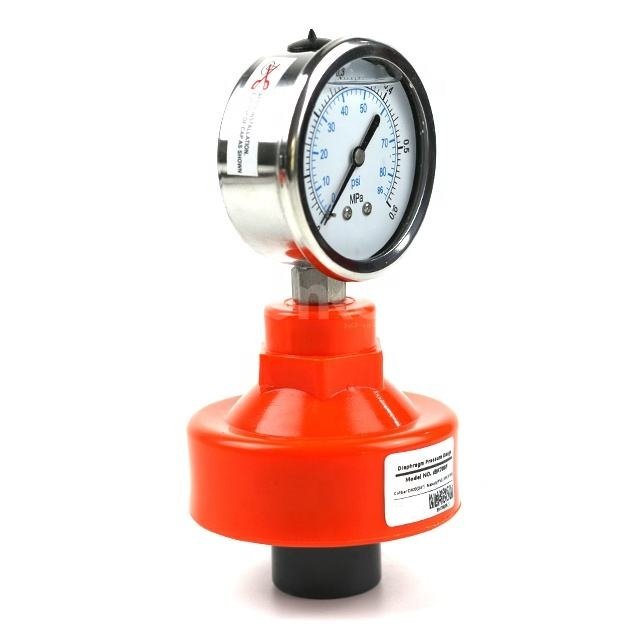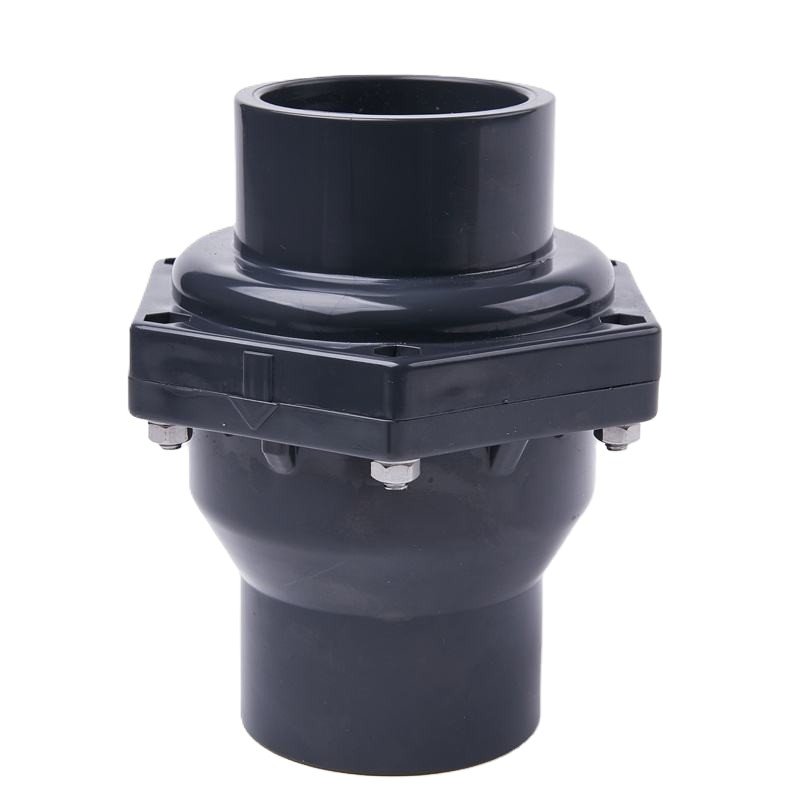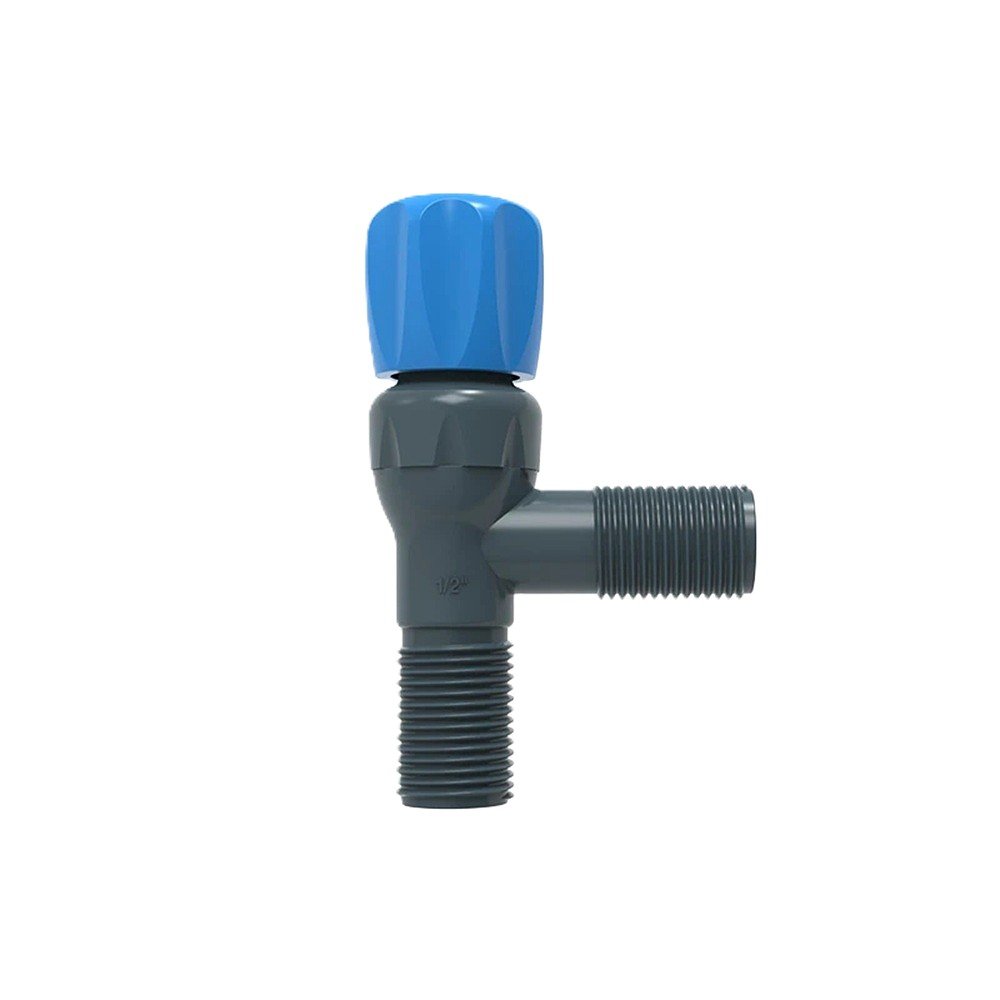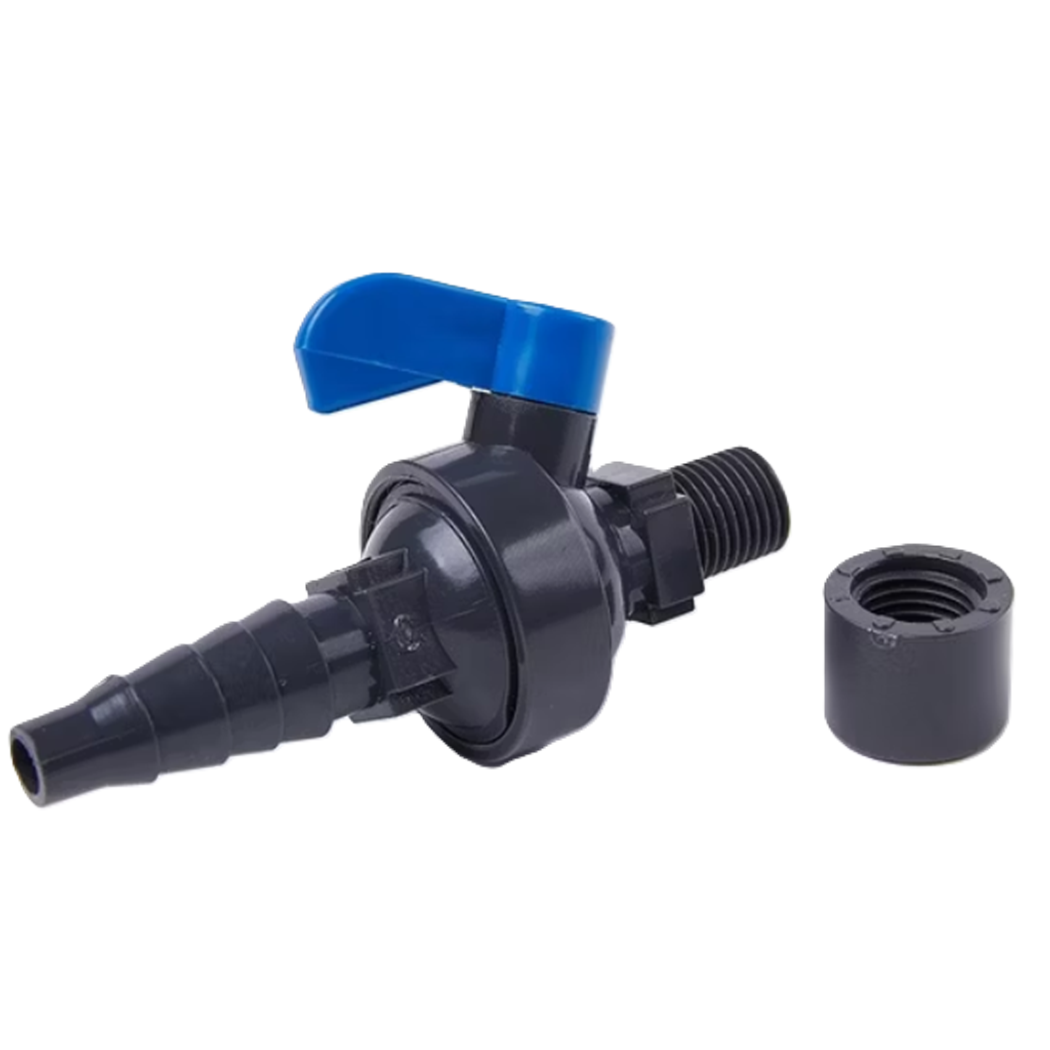
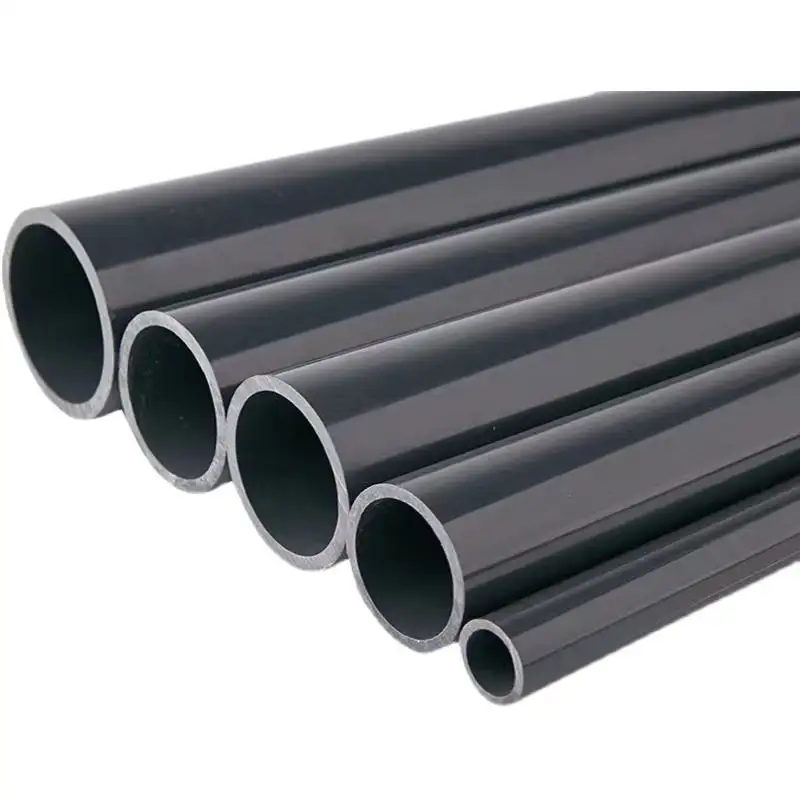
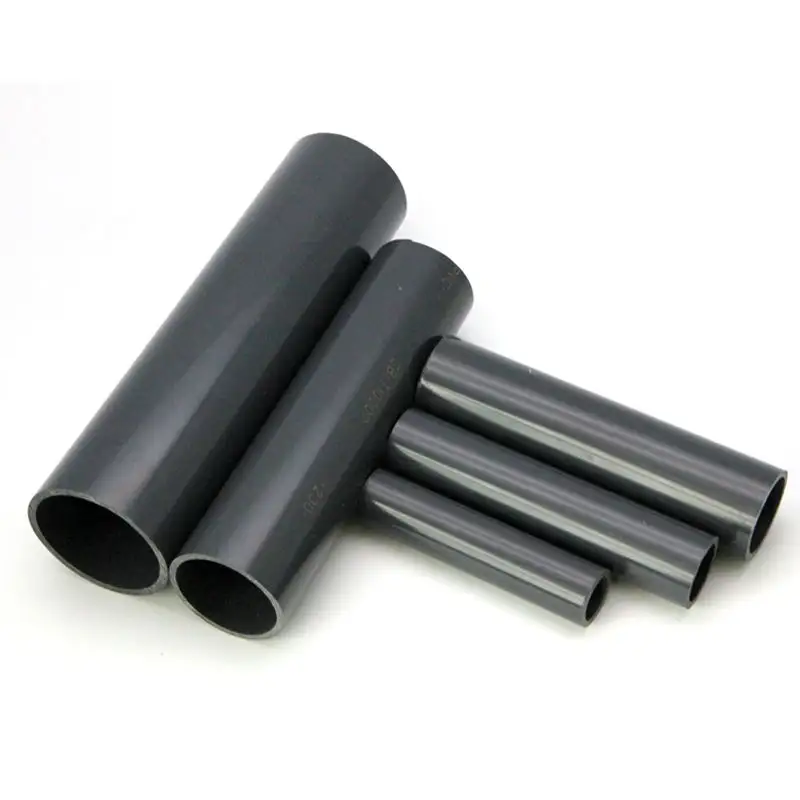
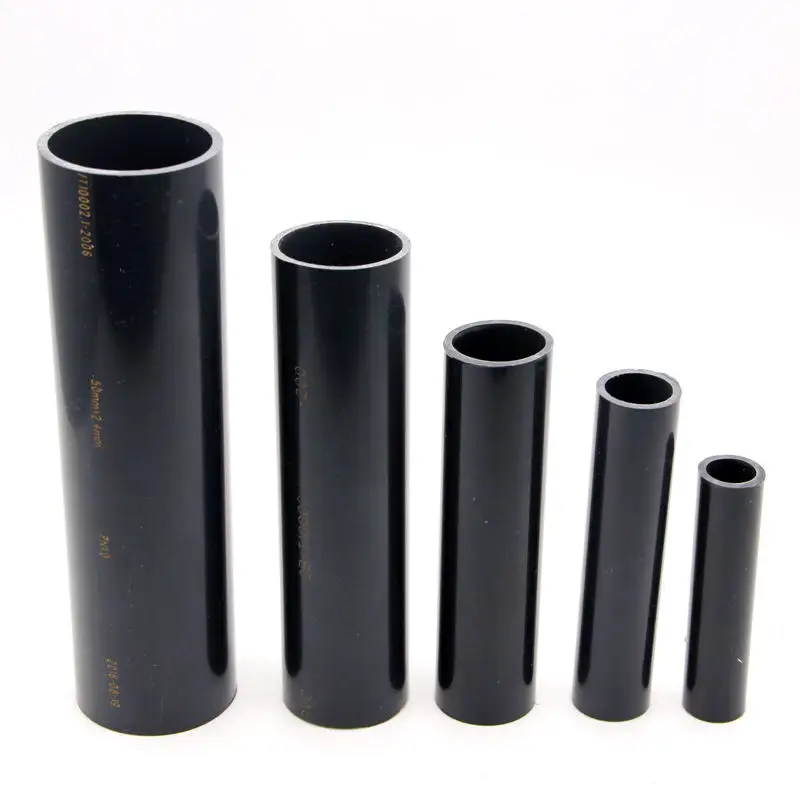
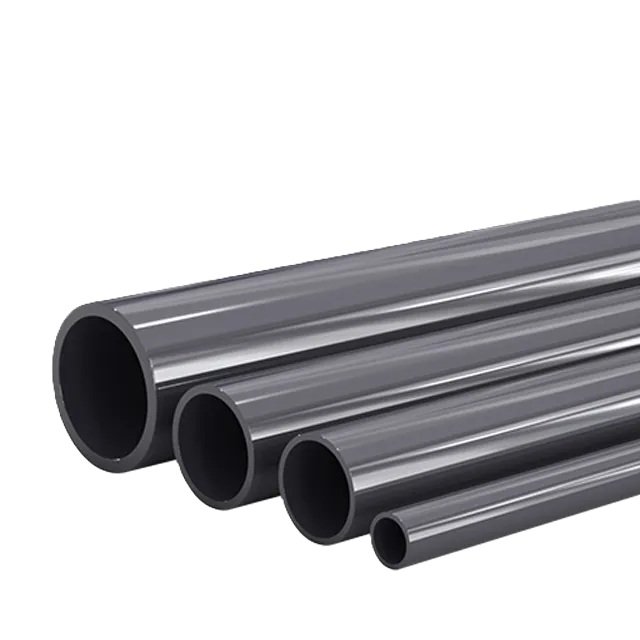
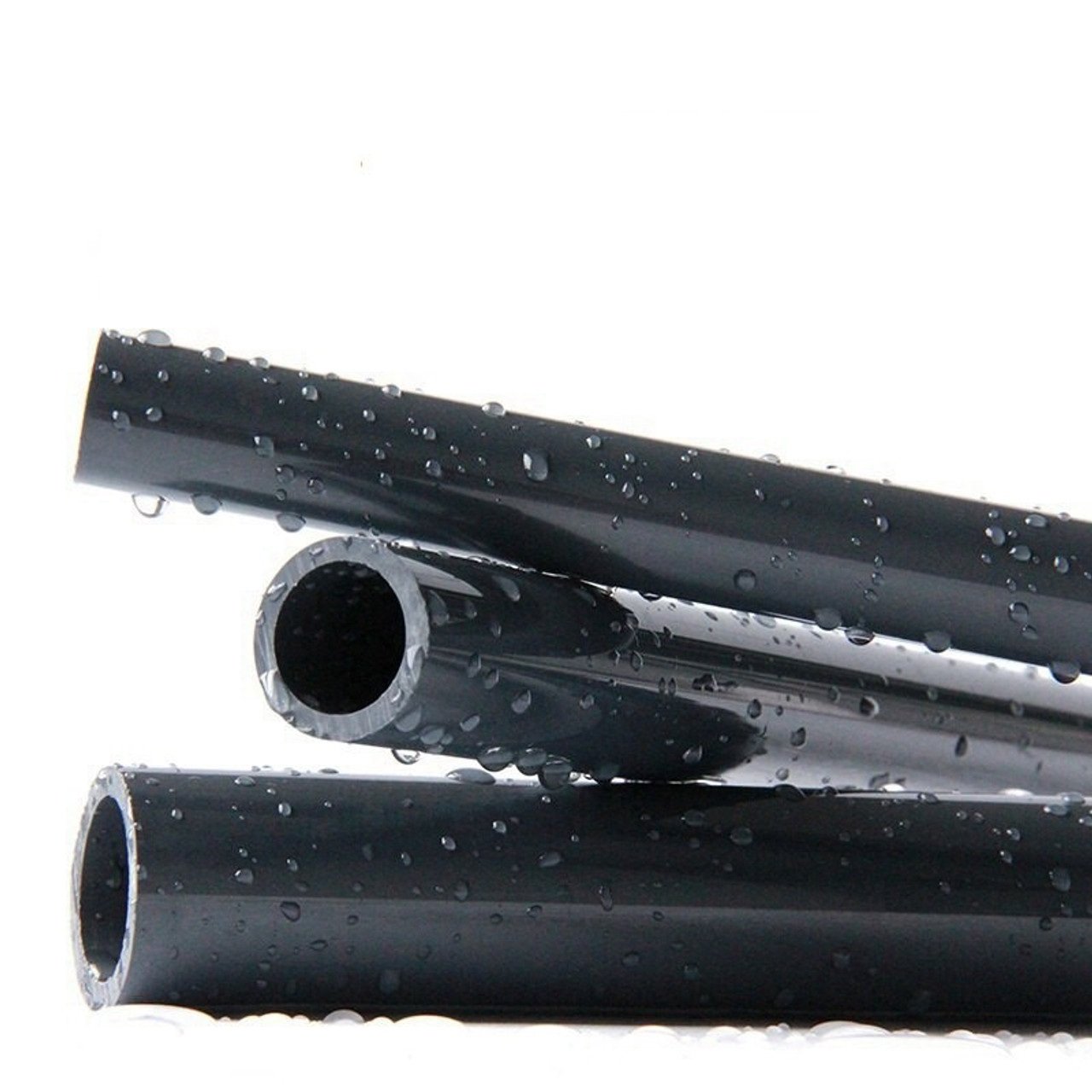
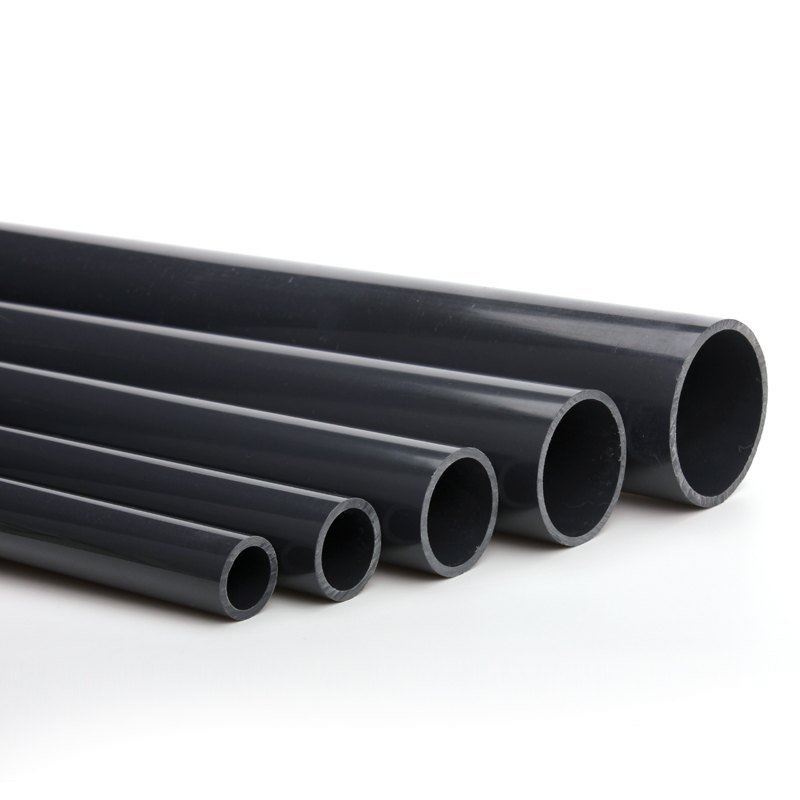
ASTM uPVC pipes are a type of plastic piping system, specifically made from unplasticized polyvinyl chloride, and are commonly used for plumbing, water supply, and other applications where durable, corrosion-resistant pipes are needed. They are manufactured according to ASTM (American Society for Testing and Materials) standards, ensuring quality and consistency.
UPVC pipes manufactured to ASTM standards use ASTM D1785 as a common specification, which covers pressure-rated pipes made for water distribution in various pressure classes like SCH 40, SCH 80, and SCH 120. These standards define the exact chemical composition and manufacturing process for the PVC used in pipes for industrial, commercial, and residential plumbing systems.
Here's a more detailed explanation:
What are ASTM uPVC pipes?
- uPVC (Unplasticized Polyvinyl Chloride):This is a rigid form of PVC, known for its durability and resistance to chemicals and corrosion.
- ASTM Standards:These standards, like ASTM D1785, define the specific requirements for manufacturing, testing, and performance of uPVC pipes.
Pressure Classes
ASTM D1785 defines different pressure ratings for pipes, known as schedules. The most common are:
- SCH 40: A standard pressure rating for PVC pipes.
- SCH 80: A higher pressure rating, often used for more demanding industrial applications.
- SCH 120: An even higher pressure class for specialized applications.
Key Features and Benefits:
- Durability and Longevity: uPVC is known for its long lifespan, often exceeding 50 years.
- Corrosion Resistance: Resistant to rust and corrosion, making them suitable for various environments.
- Chemical Resistance: Resistant to a wide range of chemicals, reducing the risk of pipe damage.
- Easy Installation: uPVC pipes are lightweight and relatively easy to install, reducing labor costs.
- Cost-Effective: Often more affordable than traditional piping materials like galvanized iron (GI).
- Lead-Free and Non-Toxic: Safe for potable water distribution.
Applications
UPVC pipes manufactured to ASTM standards are widely used for:
- Water supply: In residential, commercial, and industrial systems.
- Irrigation systems: For various agricultural and landscaping needs.
- Plumbing: In construction and for lowering jet pumps in borewells.
Benefits of ASTM Standardized UPVC Pipes :-
- High Pressure Resistance: They are pressure-rated for water and suitable for various pressure classes.
- Durability: They are strong, lightweight, and durable.
- Ease of Installation: They are easy to install and offer a simple, leak-proof system.
- Chemical Resistance: They exhibit good chemical resistance, making them suitable for various applications.
- Cost-Effective: They are often cheaper than traditional GI (Galvanized Iron) pipes while offering similar or superior advantages.
Key ASTM standards for UPVC pipes
|
Standard |
Description |
Key Specifications |
Application |
|
ASTM D1785 |
Standard Specification for Poly(Vinyl Chloride) (PVC) Plastic Pipe, Schedules 40, 80, and 120. |
Defines dimensions, hydrostatic pressure ratings, and test methods for material, workmanship, and quality. |
General purpose pressure-rated piping systems, including potable water distribution and industrial processes. |
|
ASTM D1784 |
Standard Specification for Rigid Poly(Vinyl Chloride) (PVC) Compounds and Chlorinated Poly(Vinyl Chloride) (CPVC) Compounds. |
Classifies the base material used to manufacture the pipe and specifies requirements for its physical properties. |
Forms the basis for material selection and quality control for pipe manufacturing. |
|
ASTM D2665 |
Standard Specification for Poly(Vinyl Chloride) (PVC) Plastic Drain, Waste, and Vent (DWV) Pipe and Fittings. |
Defines specifications for non-pressure applications, covering pipe stiffness, impact resistance, and dimensions. |
Residential and commercial plumbing systems for non-pressurized flow. |
|
ASTM D2466 and ASTM D2467 |
Standard Specifications for Socket-Type Poly(Vinyl Chloride) (PVC) Plastic Pipe Fittings, Schedule 40 and Schedule 80, respectively. |
These standards specify the dimensions and testing requirements for socket-type fittings used with D1785 pipes. |
Joining UPVC pipes with solvent cement in pressure applications. |
|
ASTM D2564 |
Standard Specification for Solvent Cements for PVC Plastic Piping Systems. |
Establishes the requirements for solvent cements used to join PVC pipes and fittings, ensuring a strong, reliable joint. |
Used for the solvent-welding process, creating leak-proof connections. |