.jpg)
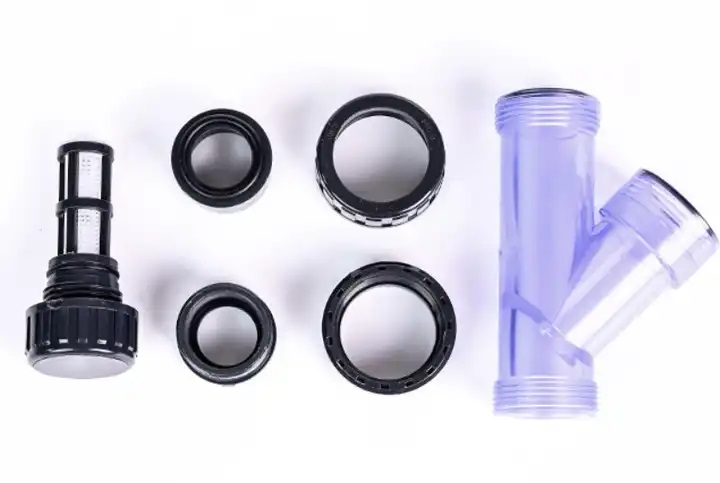
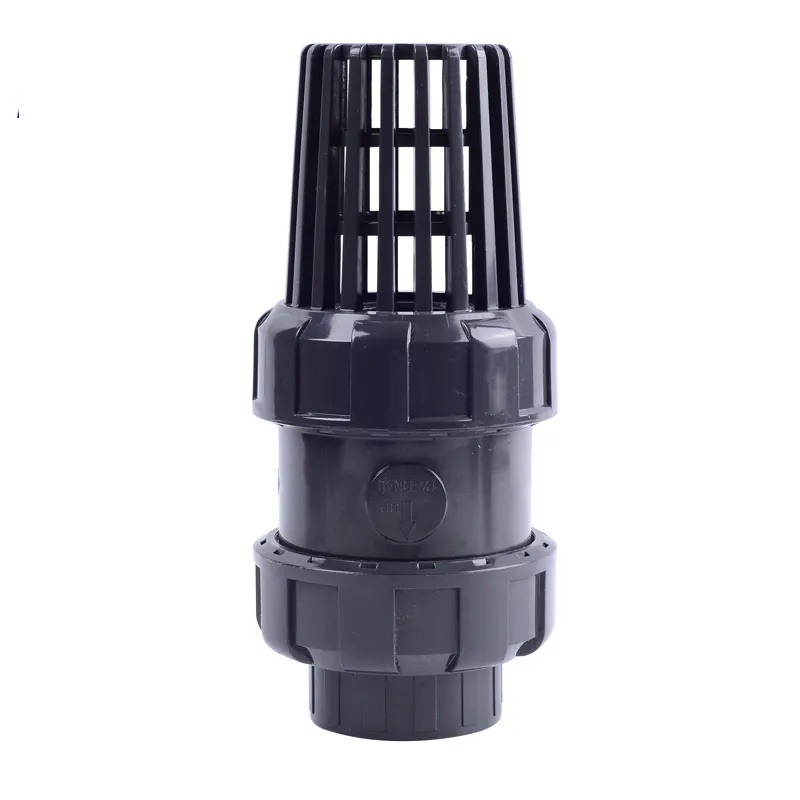
| FIG. | PARTS | MATERIAL |
| 1 | End Connector | U-PVC |
| 2 | Union Nut | U-PVC |
| 3 | End Connector O-Ring | EPDM |
| 4 | Body | U-PVC |
| 5 | Strainer | PP |
| 6 | End Connector O-Ring | EPDM |
| 7 | End Connector O-Ring | EPDM |
| 8 | Plug | U-PVC |

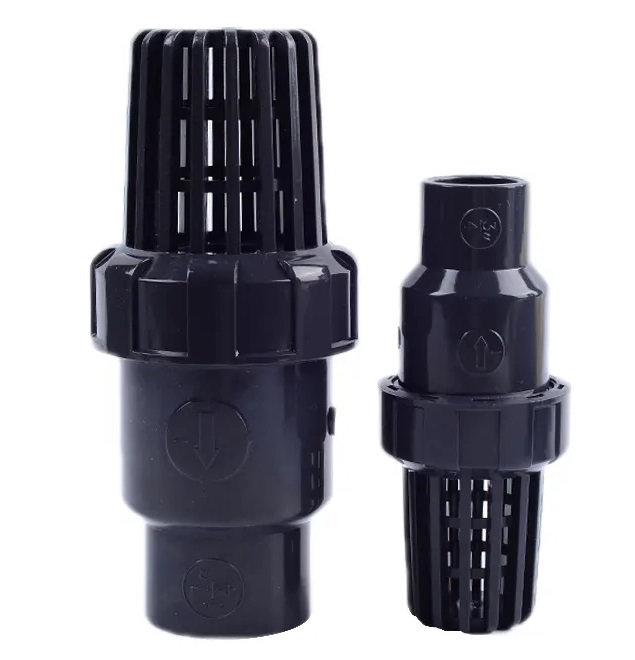
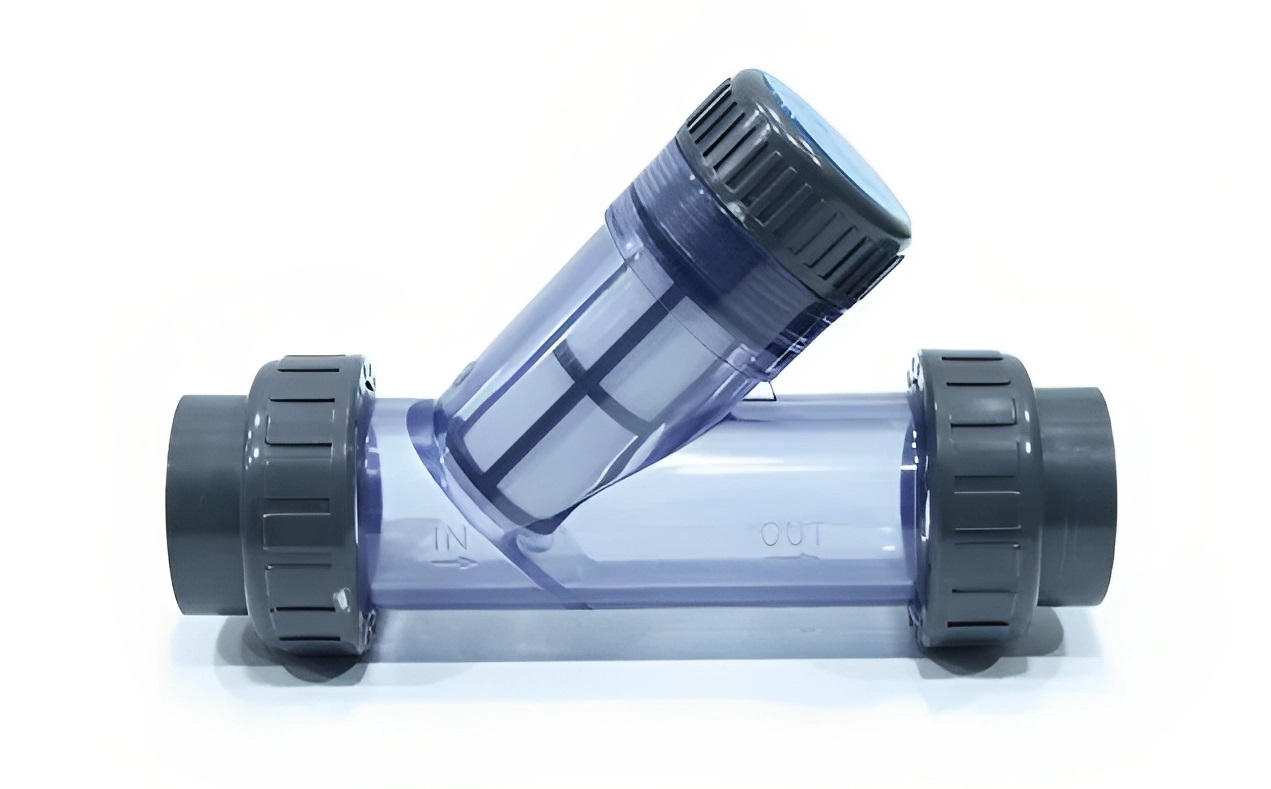
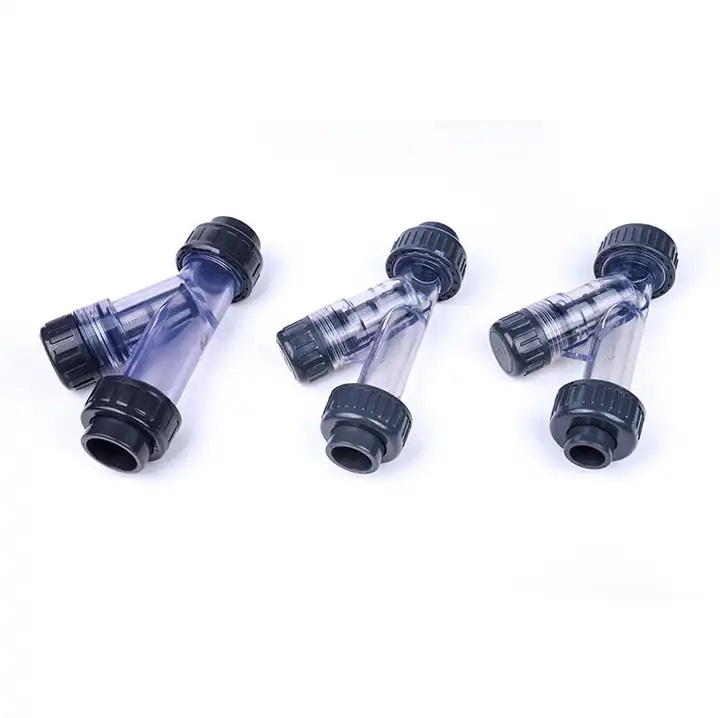
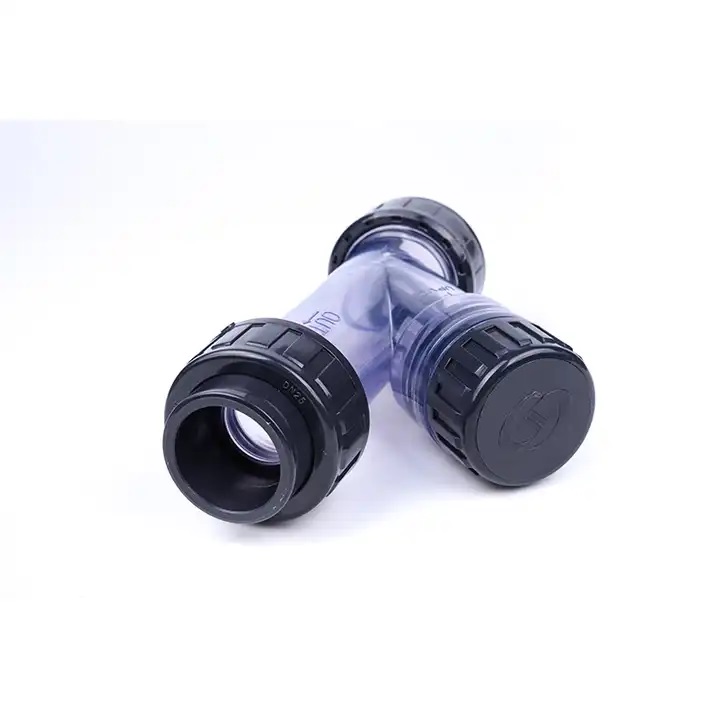
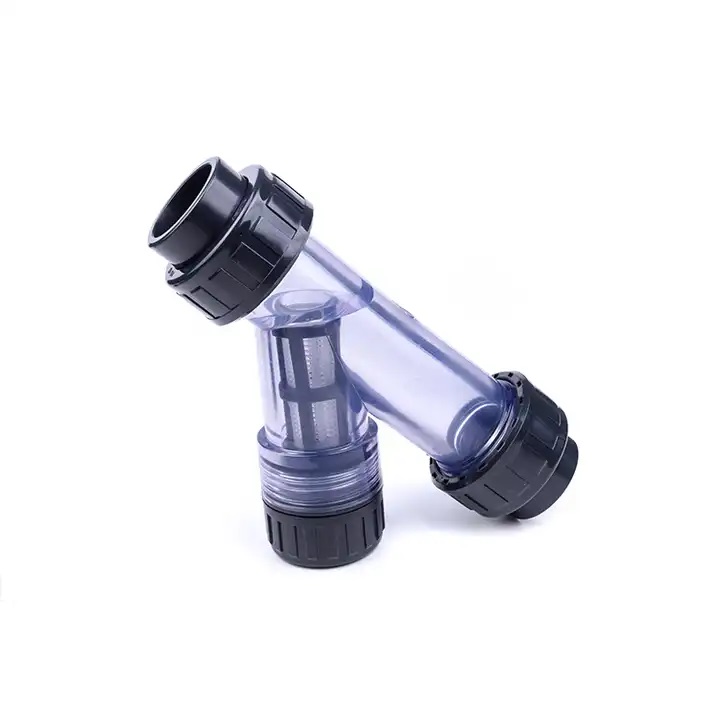
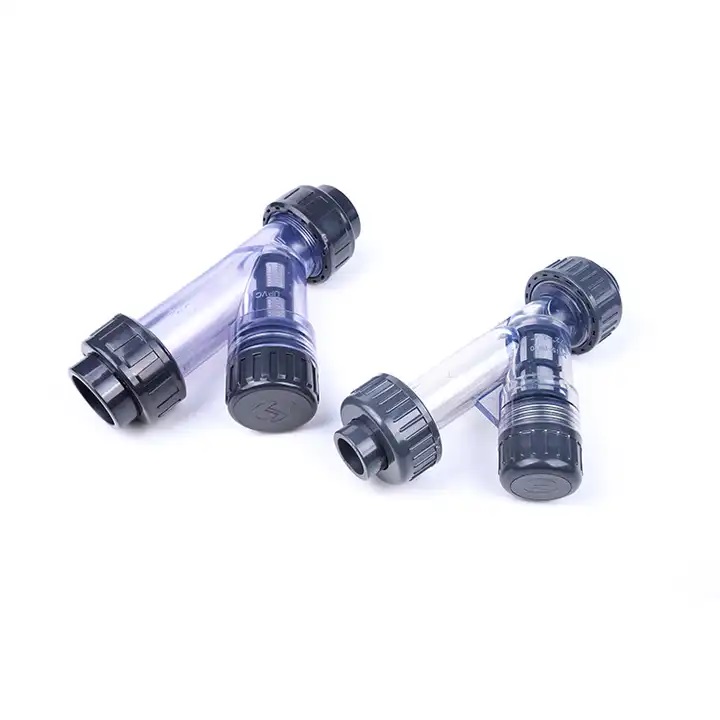
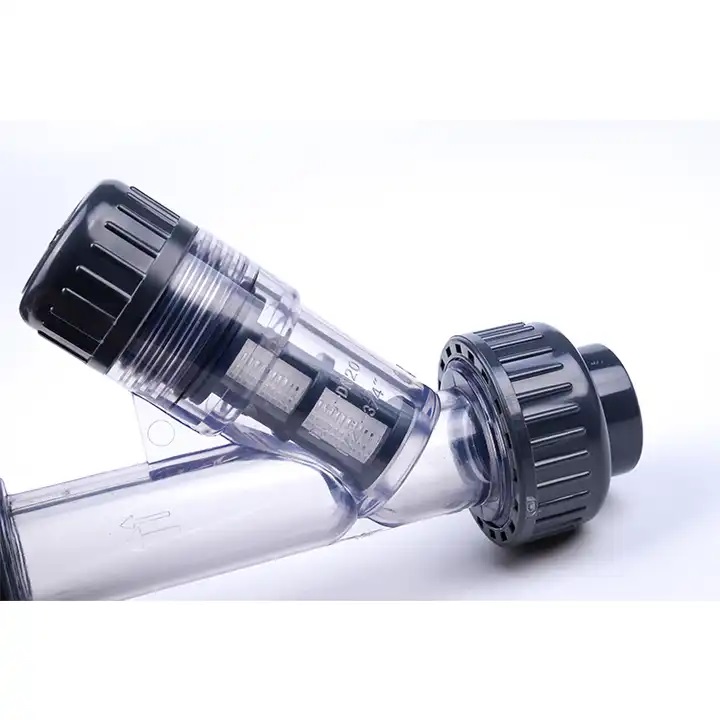
EVA UPVC (Unplasticized Polyvinyl Chloride) Y-Type Strainer is a mechanical device crucial for removing solid particles and debris from fluid systems in pipelines. Its distinctive Y-shaped body houses a straining element, typically a mesh or perforated screen, that traps contaminants while allowing the fluid (liquid, gas, or steam) to flow freely.
Key Features and benefits
Key features and benefits of UPVC Y-Type Strainers include:
- Corrosion resistance: UPVC is highly resistant to corrosive substances like acids, alkalis, and salts, making it suitable for aggressive environments in industries such as chemical processing and wastewater treatment.
- Lightweight and durable: UPVC is significantly lighter than metal piping while still offering strength and durability, which simplifies handling and installation.
- Efficient filtration: The design minimizes pressure drop while effectively capturing debris, protecting downstream equipment.
- Easy maintenance: Many models have a removable screen and service port for easy cleaning or replacement without pipeline disassembly.
- Chemical and temperature resistance: UPVC resists chemical damage and can withstand temperatures from -10 to 60°C.
- Cost-effectiveness: These strainers are a more affordable option compared to stainless steel or alloy strainers, especially for non-abrasive fluids. Optional features may include a transparent body for visual inspection.
Applications
UPVC Y-Type strainers are widely used in various industries where reliable filtration is essential:
- Water treatment: Filtering raw water, filtration systems, and chlorine dosing lines.
- Chemical processing: Handling aggressive chemicals and protecting equipment.
- Irrigation and agriculture: Preventing clogging in irrigation setups.
- Pharmaceutical and laboratory: Ensuring particle-free clean fluid processes.
- HVAC and cooling systems: Filtering sediment from cooling towers or chillers.