.webp)
.webp)
.webp)
.webp)
| FIG. | PARTS | MATERIAL | QTY |
| 1 | Body | UPVC | 01 |
| 2 | Ball | UPVC | 01 |
| 3 | Stem | UPVC/SS | 01 |
| 4 | Ball Seat | PTFE | 03 |
| 5 | Body O Ring | EPDM/NBR | 03 |
| 6 | Body Connector "O" Ring | EPDM/NBR | 03 |
| 7 | Body Connector | UPVC | 03 |
| 8 | Connector | UPVC | 03 |
| 9 | Connector Nut | UPVC | 03 |
| 10 | Stem O Ring | EPDM/NBR | 01 |
| 11 | Body O Ring | EPDM/NBR | 01 |
| 12 | Bracket Pad | ISO 5211 | 01 |

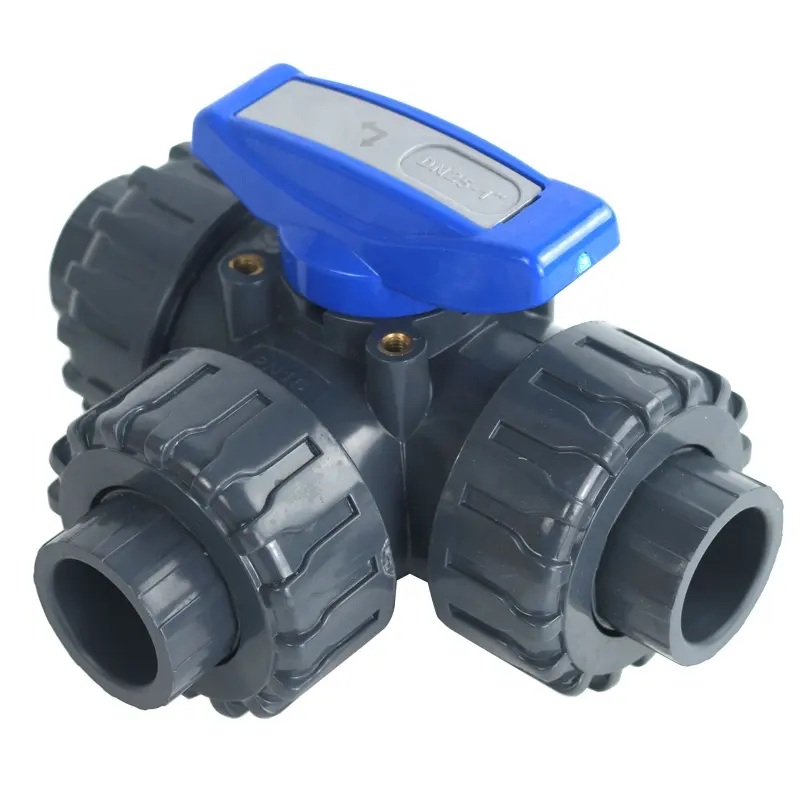
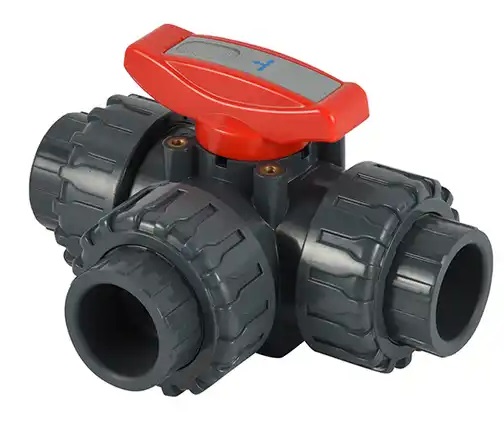
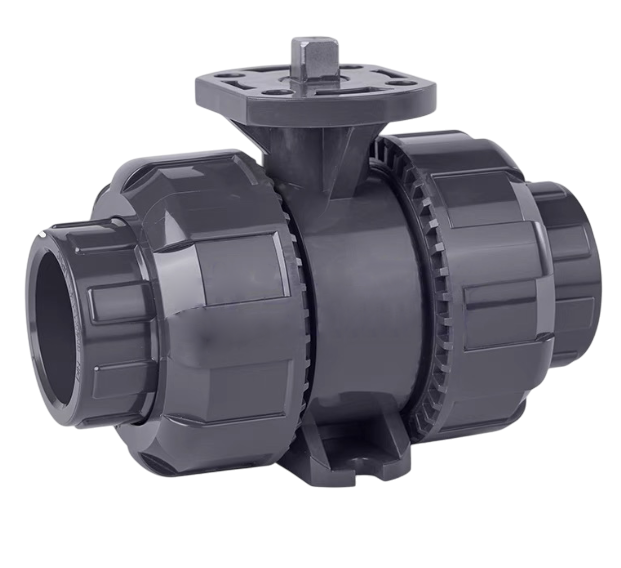
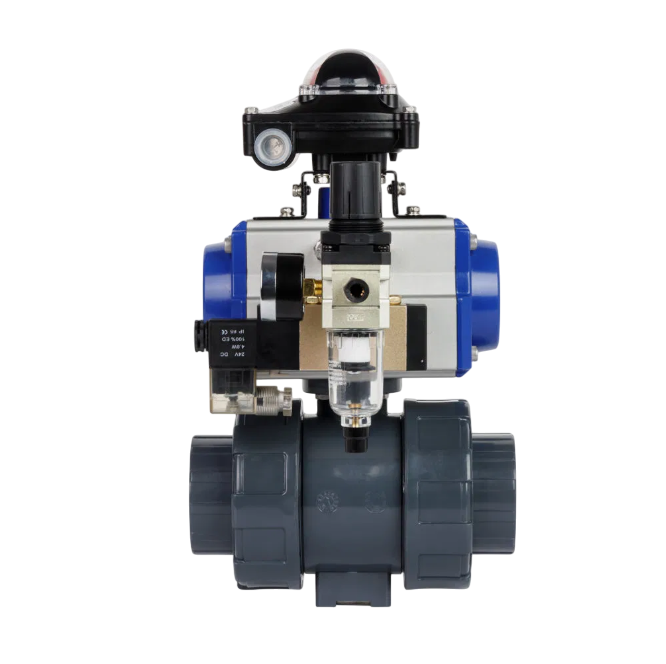
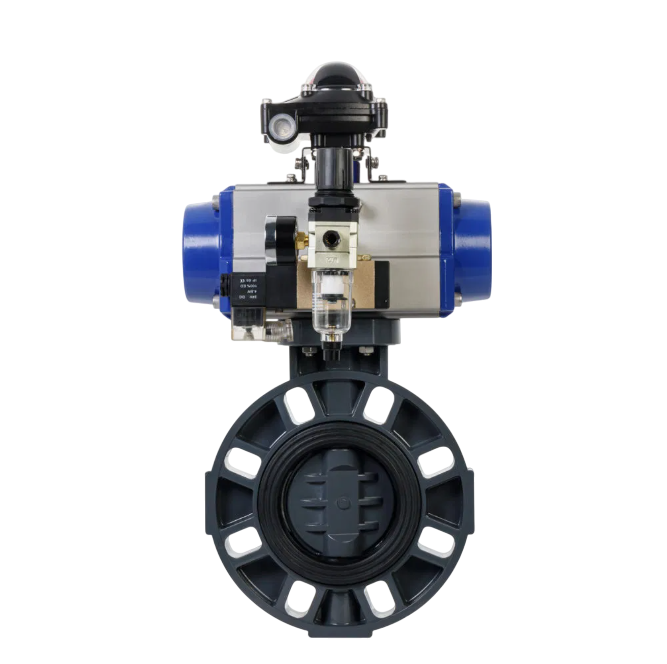
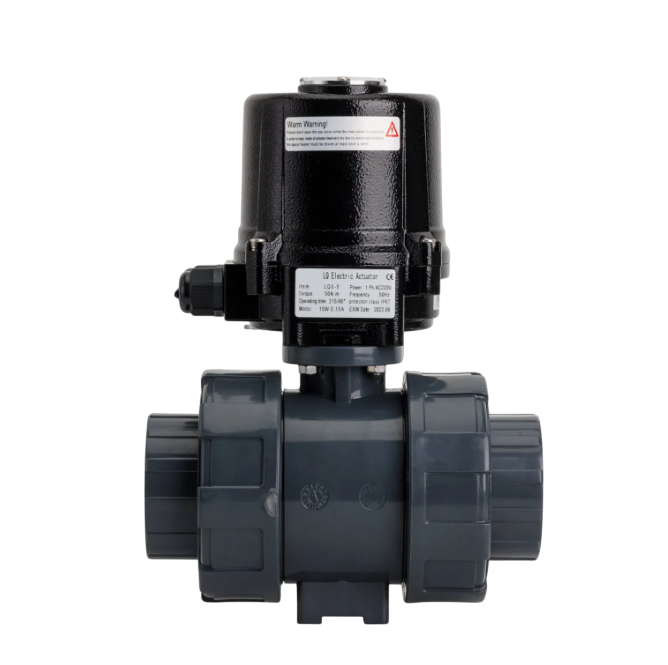
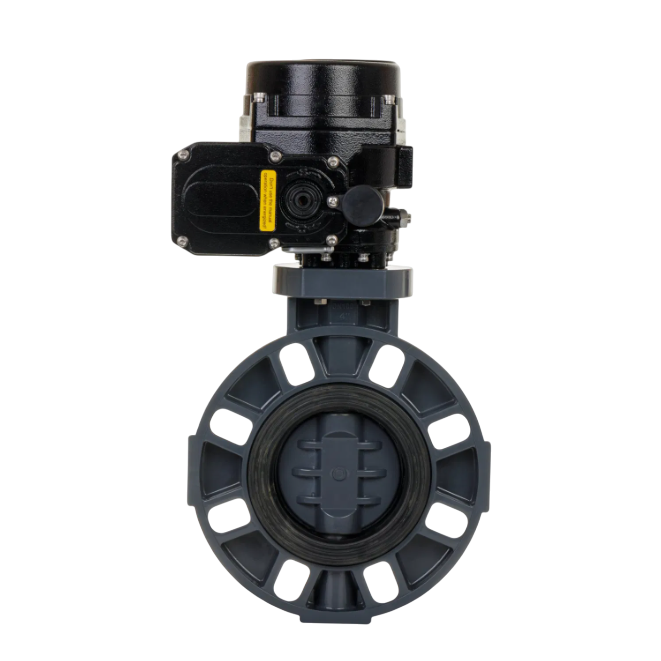
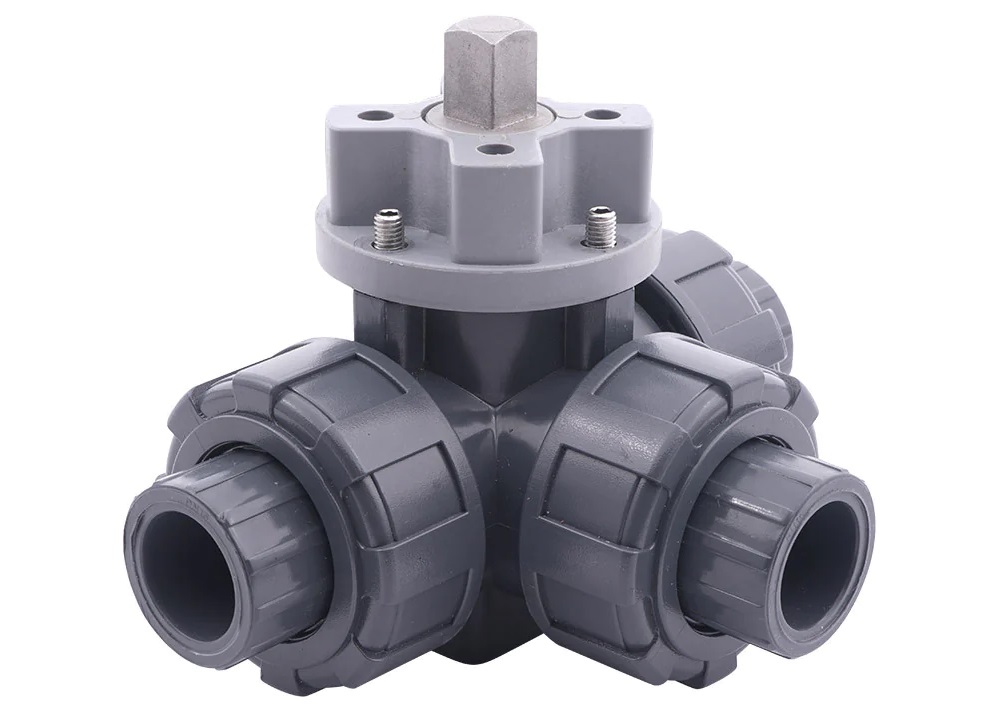
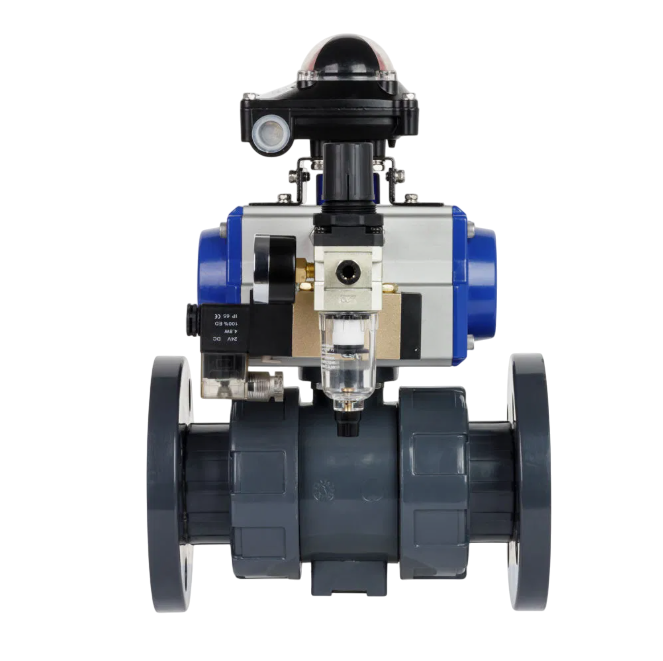
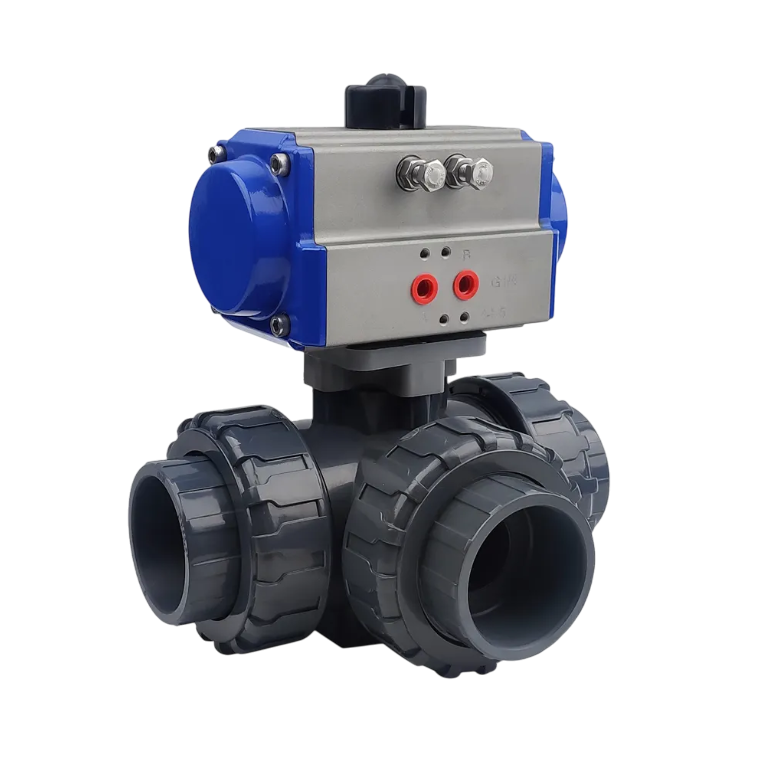
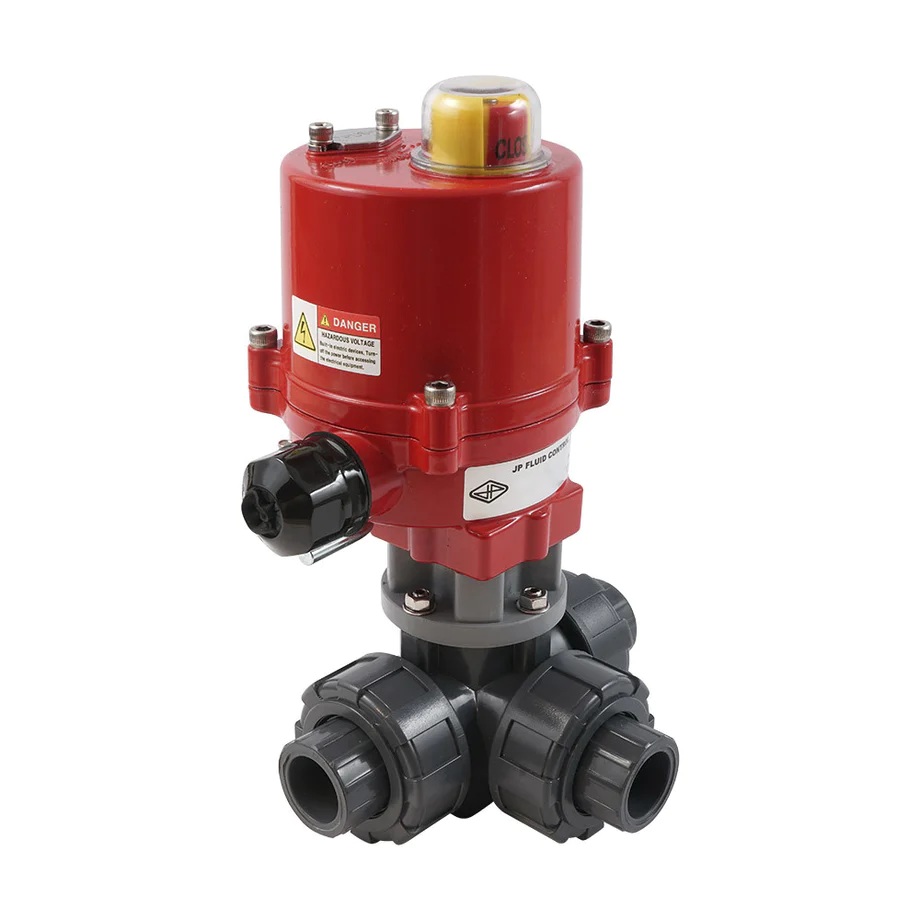
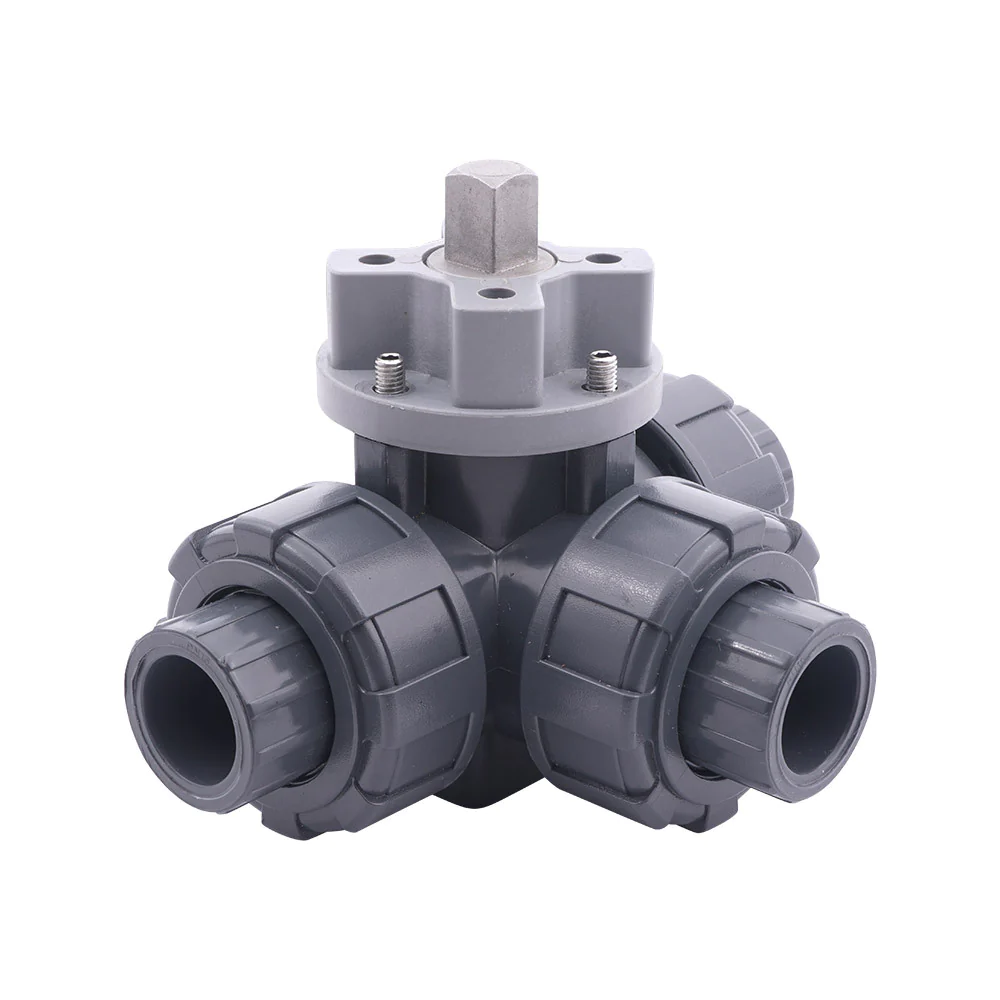
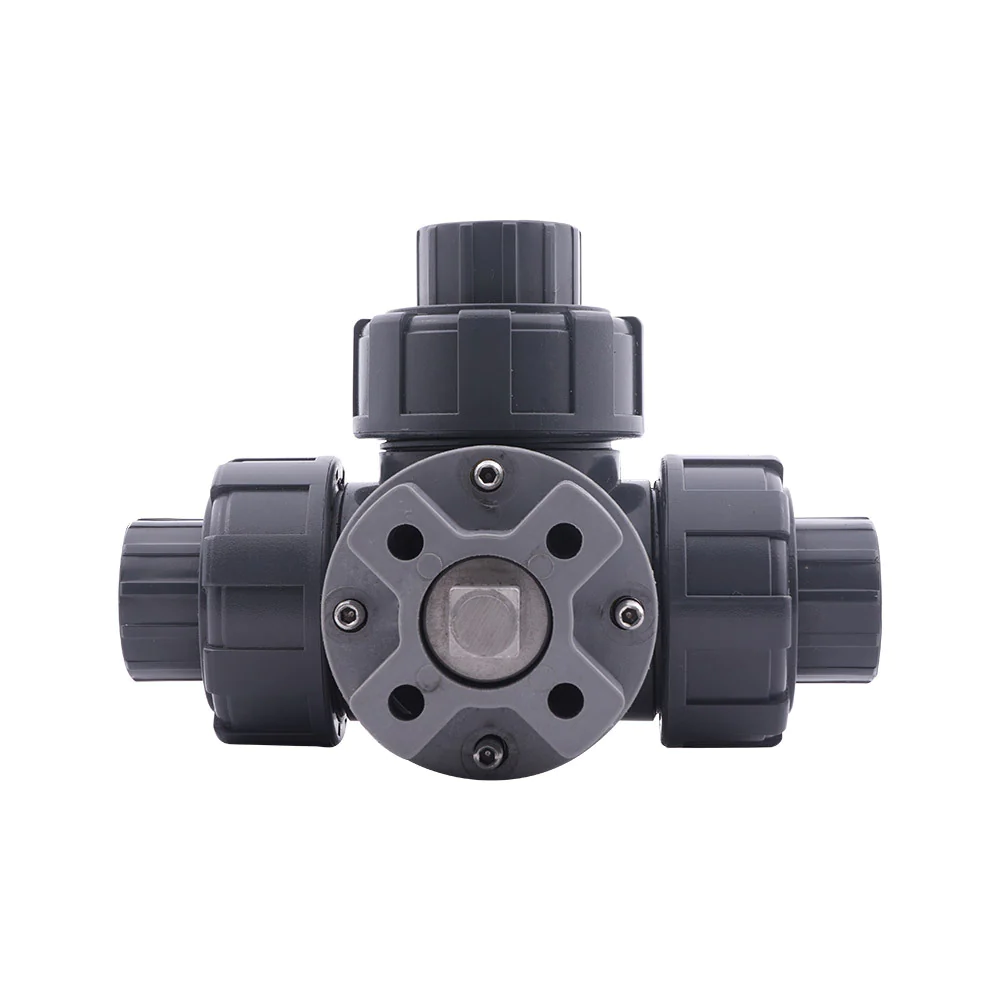
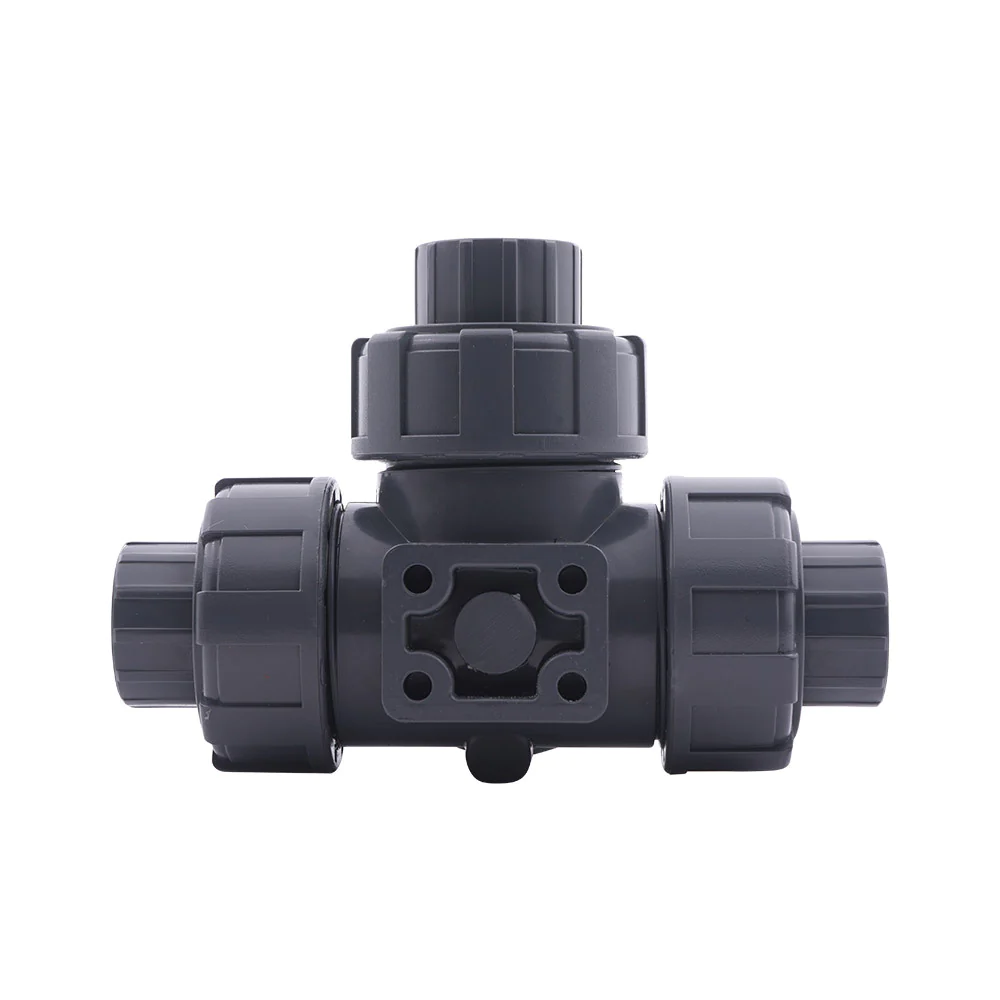
An EVA ISO Pad UPVC three way ball valve is a multi-port valve made of unplasticized polyvinyl chloride (UPVC) with a three-way design for diverting, mixing, or blocking fluid flow. It features a flat, standardized ISO mounting pad for direct attachment of electric or pneumatic actuators, allowing for automated control. This type of valve is suitable for various applications, particularly in water treatment and other chemical processing, and comes with either L-port or T-port configurations to control the flow direction.
Key Components and Features
- UPVC Body:
The valve is constructed from UPVC, a type of PVC known for its durability and resistance to chemicals and tough conditions.
- Three-Way Design:
It has three ports, allowing for different flow patterns like diverting flow from one input to two outputs, or combining two inputs into one.
- ISO Mounting Pad:
A standard flat surface on the valve that allows an actuator (electrical or pneumatic) to be mounted directly without needing a separate bracket or connection system.
- Actuator Compatibility:
The ISO pad adheres to the ISO 5211 standard, ensuring compatibility with standard actuators for automated operation.
- Port Types (L-port and T-port):
- L-port: Allows flow to be directed from the center port to one of the side ports or blocked in the other direction.
- T-port: Allows flow to be diverted from the center port to the other two ports simultaneously, or to mix flow from the two side ports into the center port.
- Application:
An ISO Pad UPVC three-way ball valve is ideal for managing fluid in systems that handle chemicals or require automation.
- Water treatment: Used to control the flow of water and chemical dosing systems.
- Chemical processing: Diverts or mixes aggressive fluids in manufacturing settings.
- Irrigation: Allows for the automated control of water and fertilizers in agricultural systems.
- Industrial piping: Used for directional control of fluids in various industrial setups.
- Pool and spa systems: Manages the flow of water and chemicals like chlorine