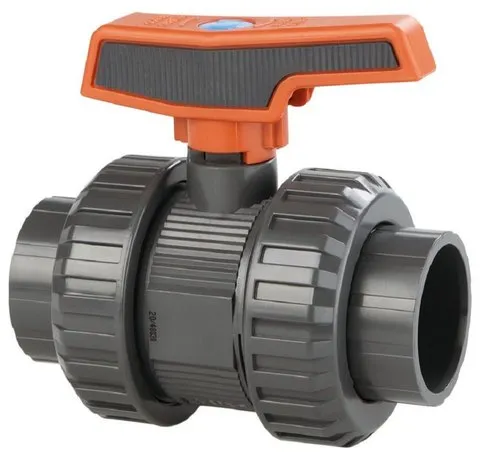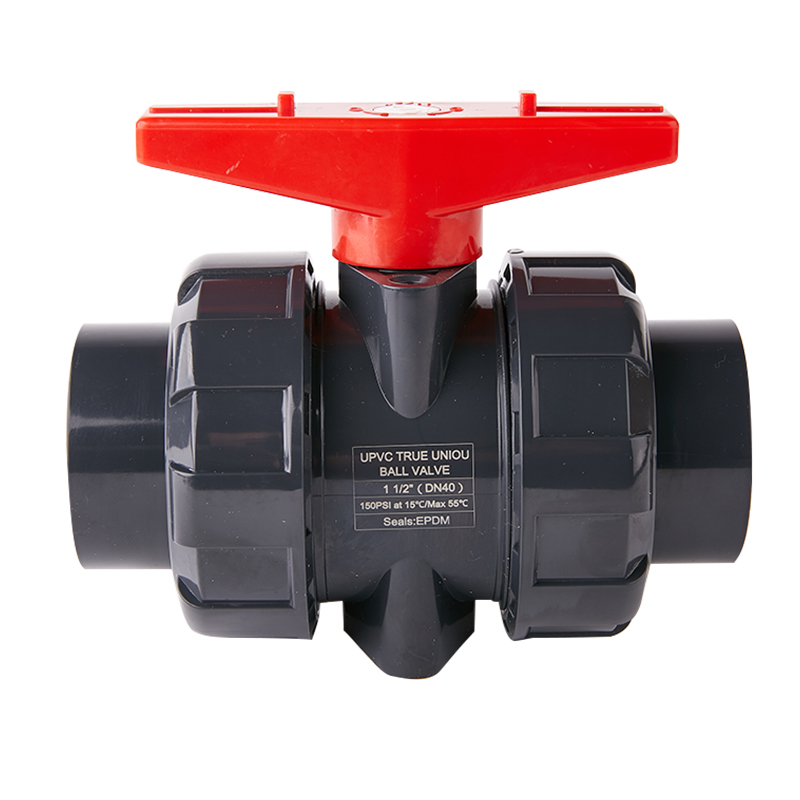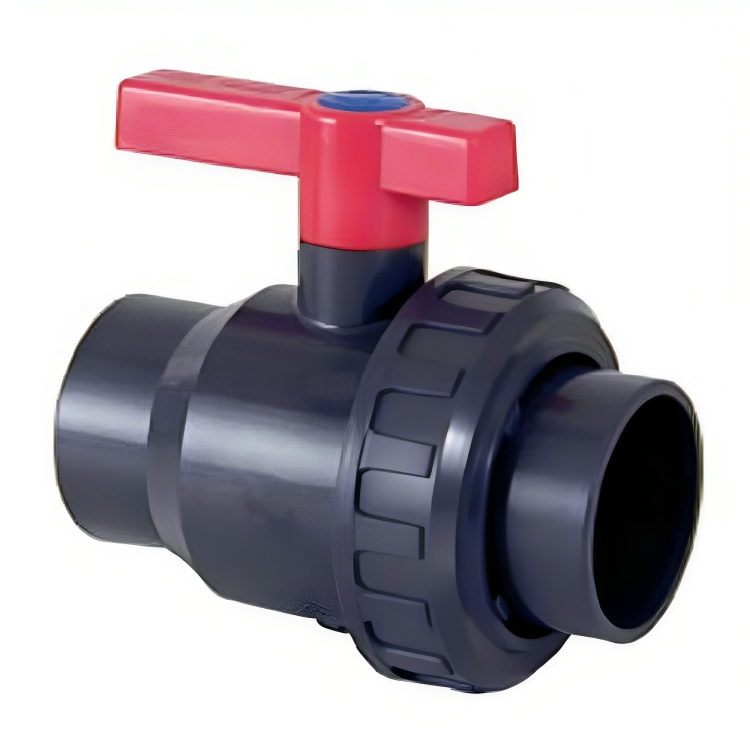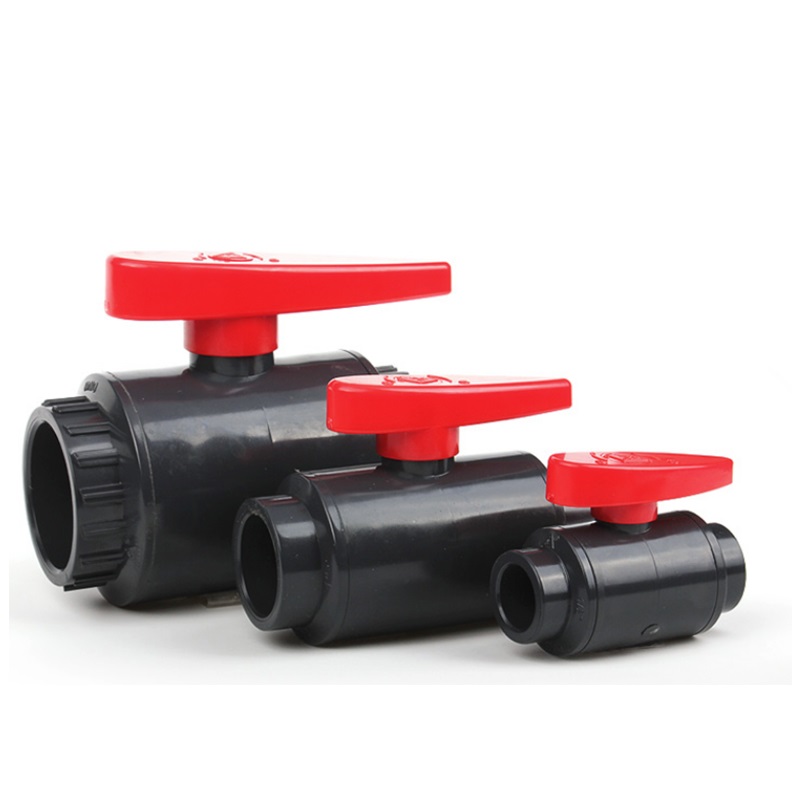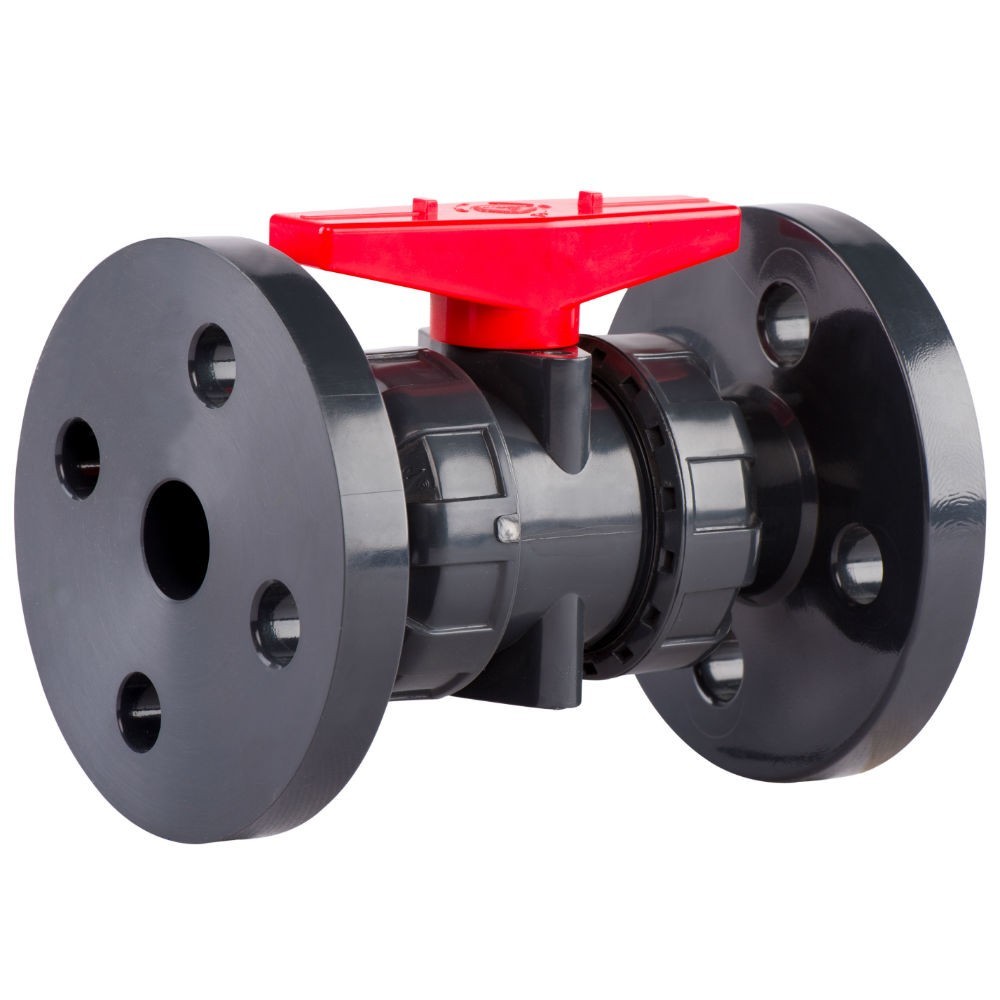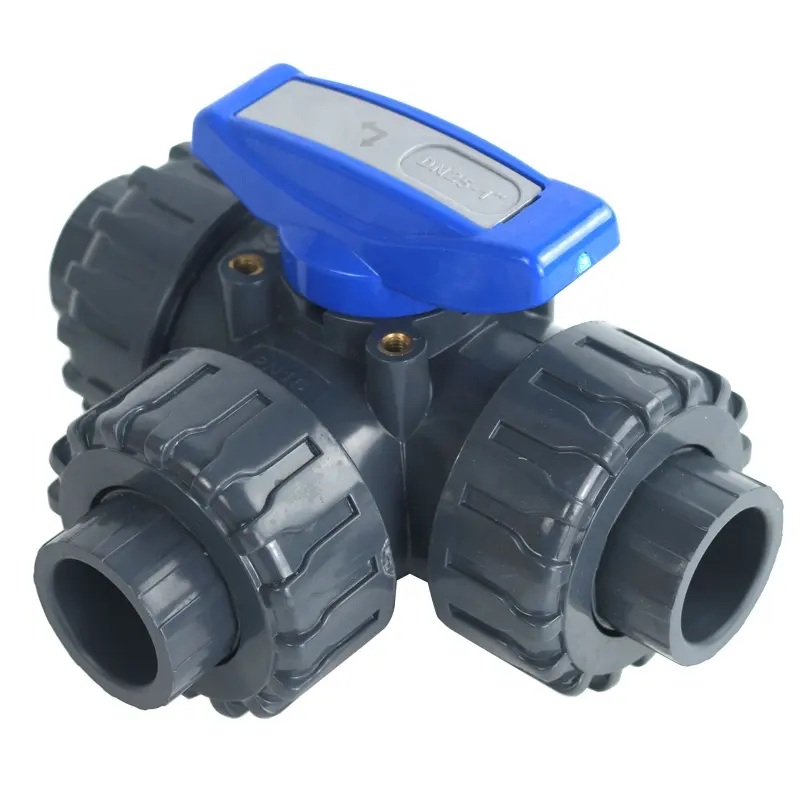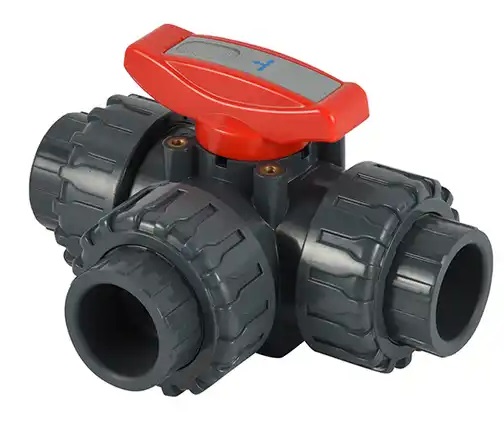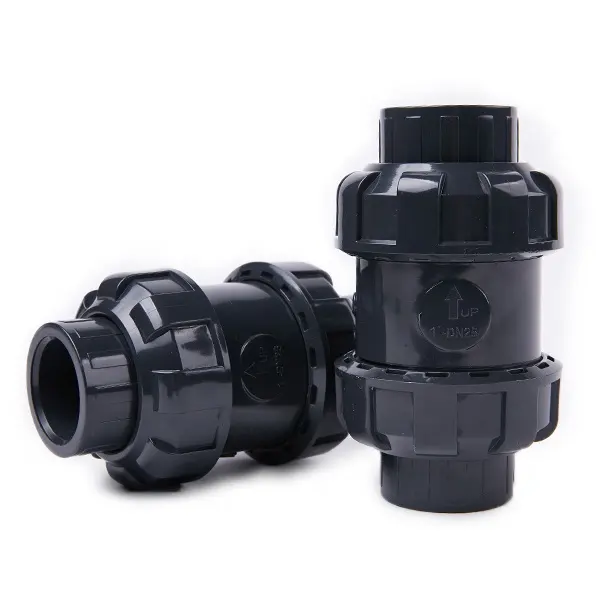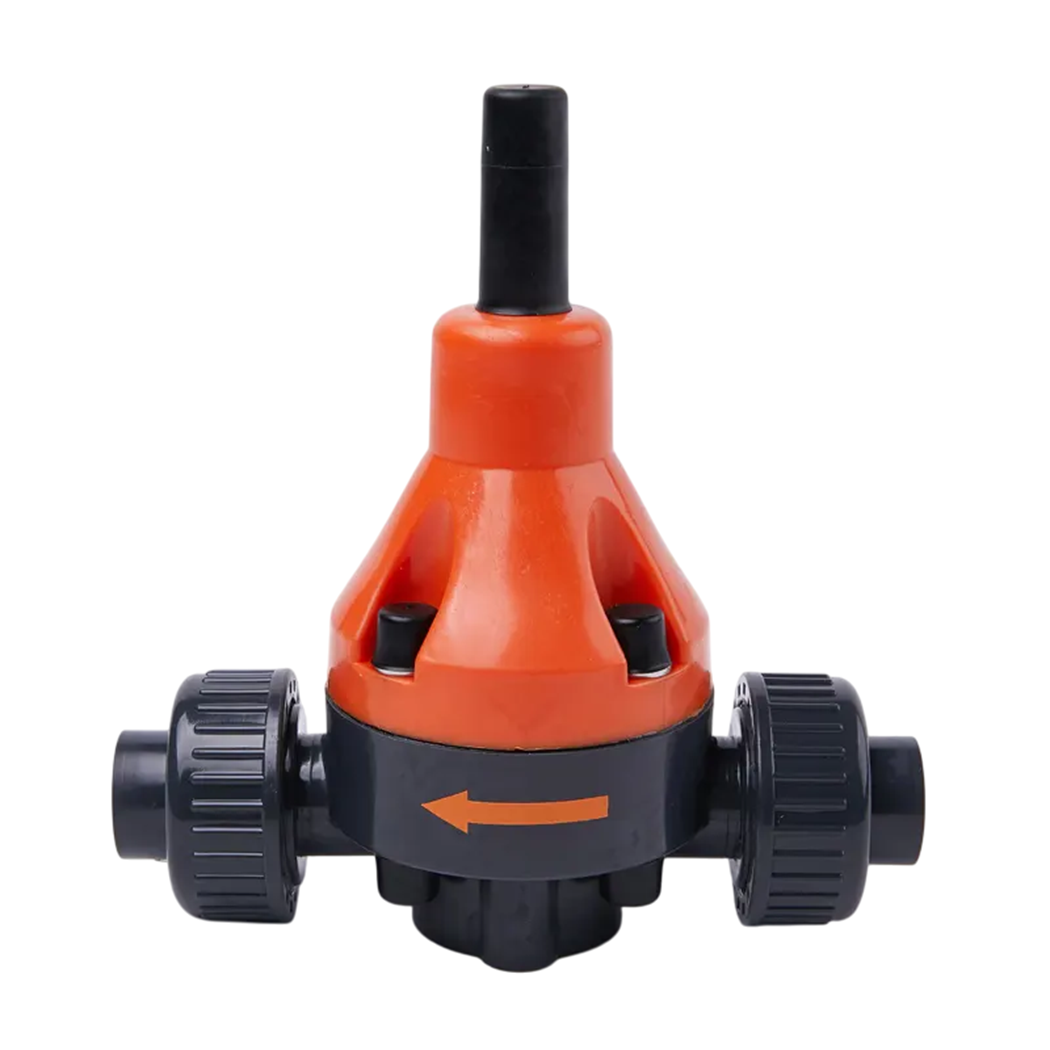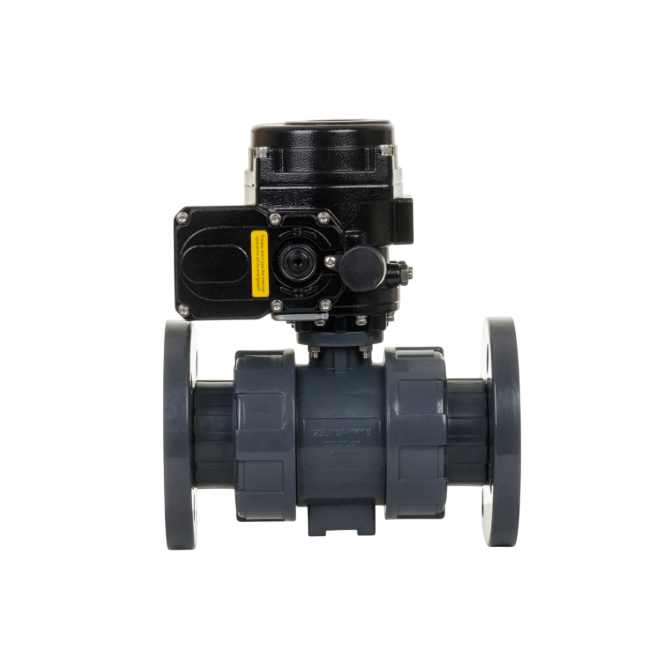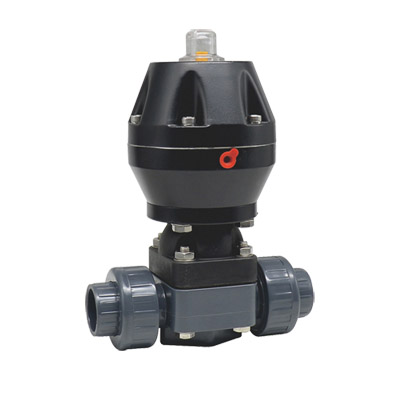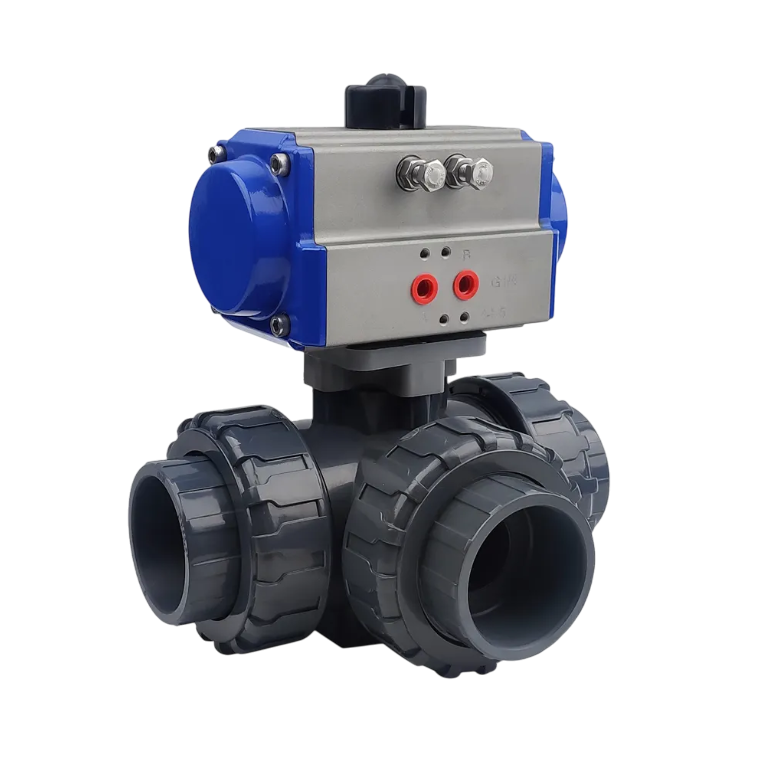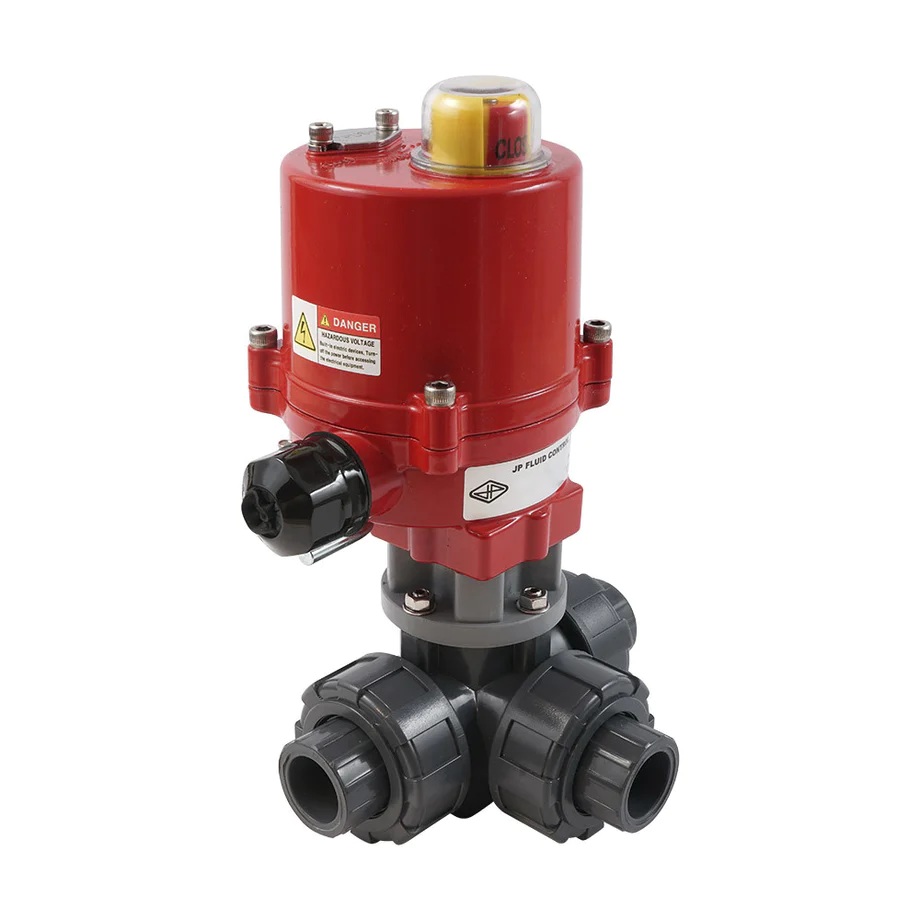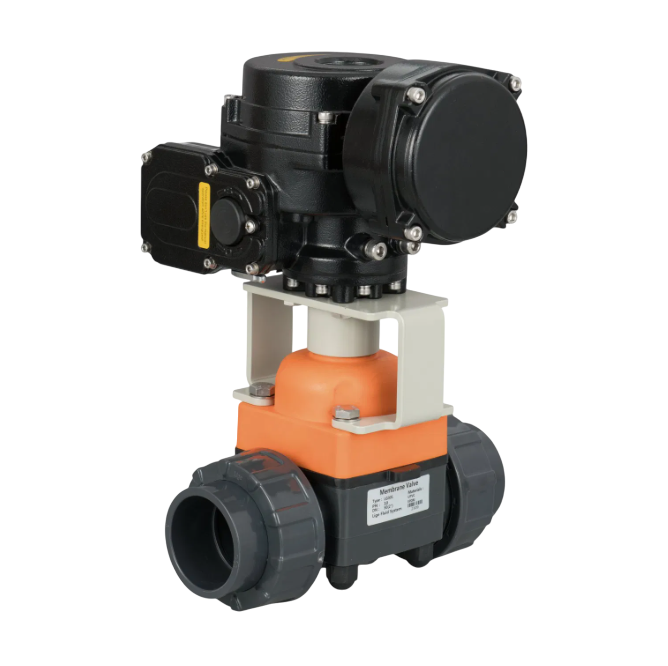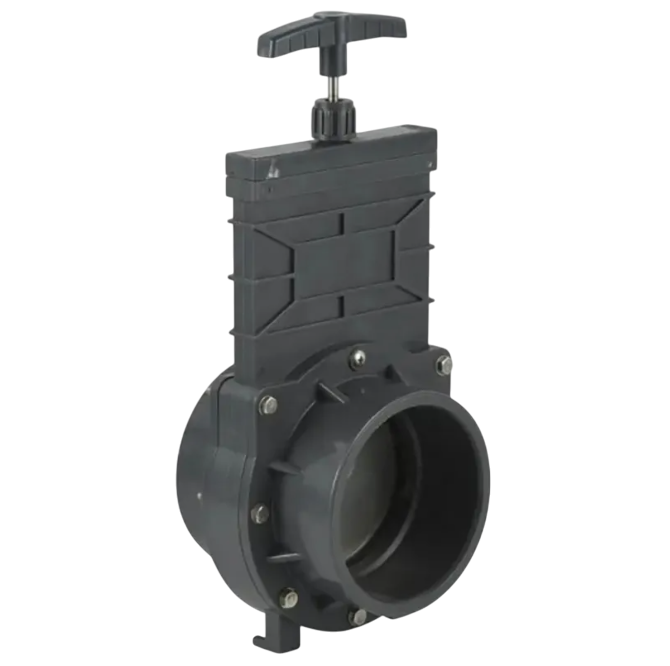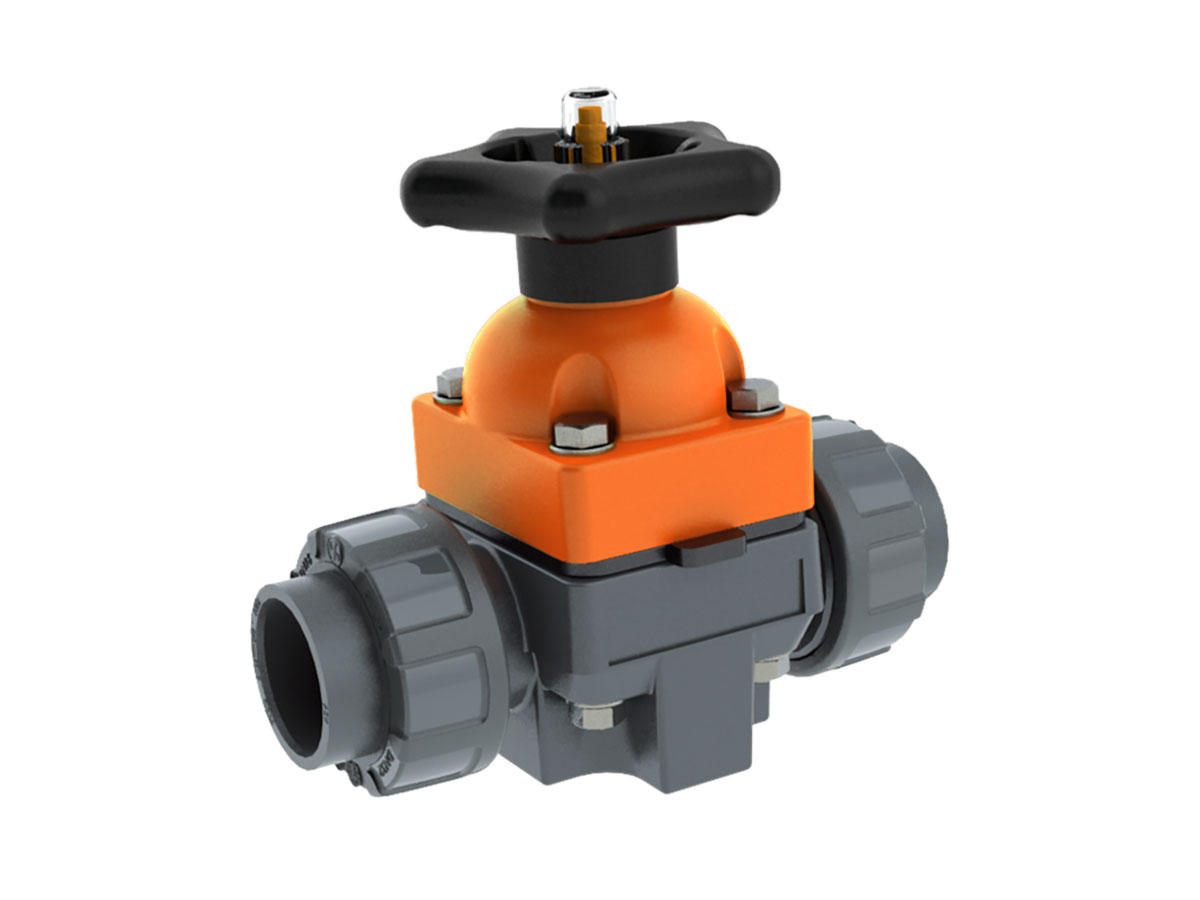
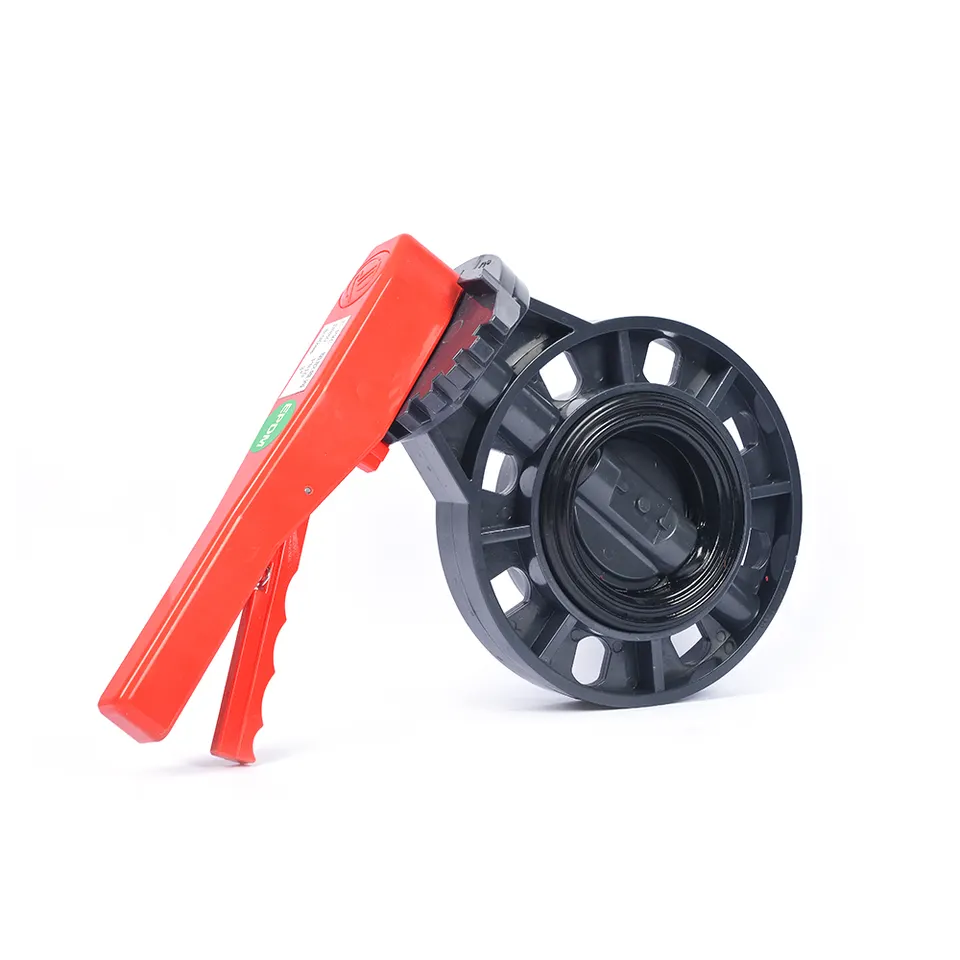
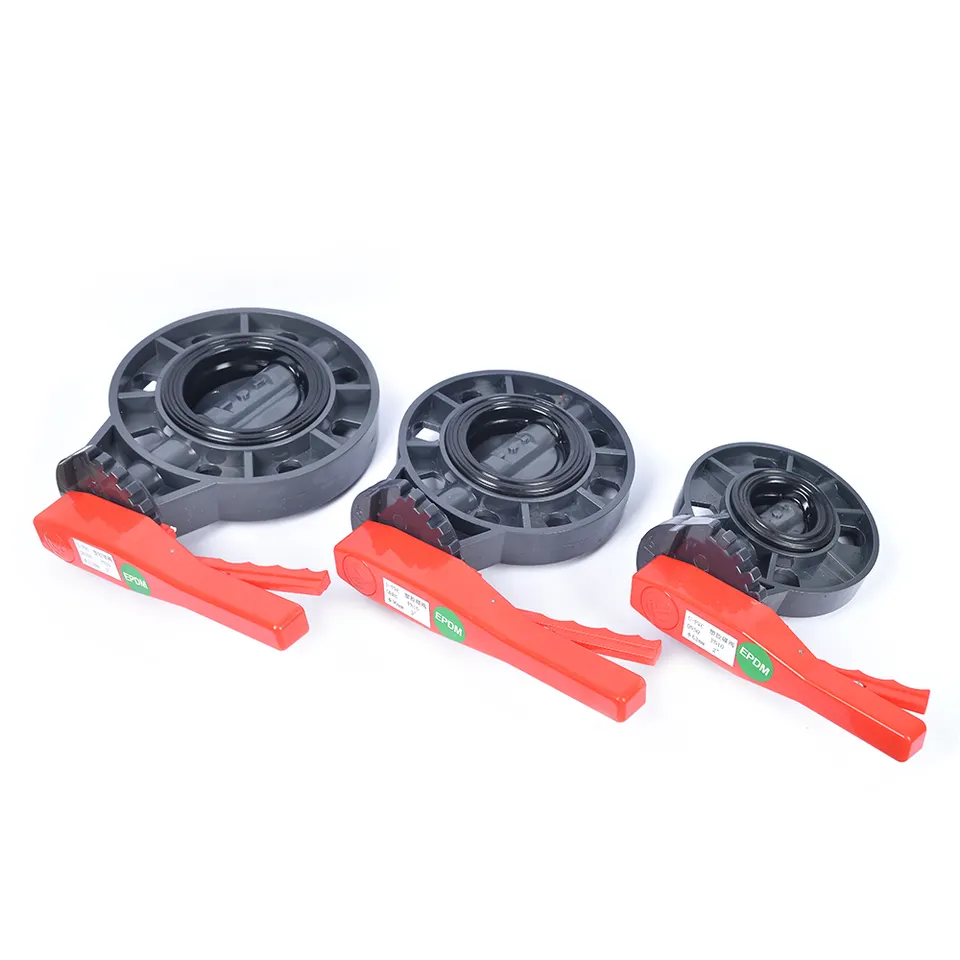
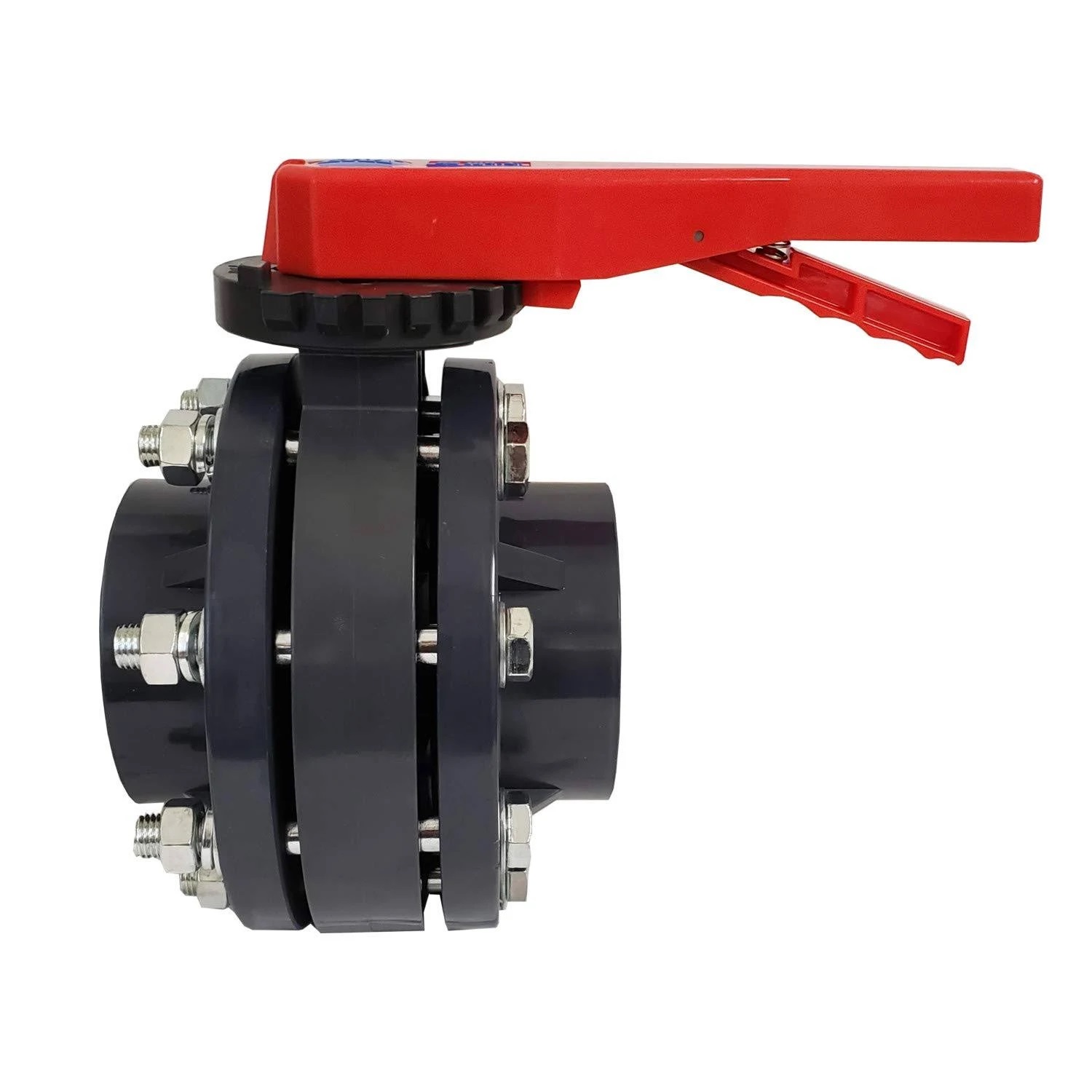
| FIG. | PARTS | MATERIAL |
| 1 | Body | U-PVC |
| 2 | Seat Seal | EPDM |
| 3 | Disc | U-PVC |
| 4 | O-Ring | EPDM |
| 5 | Stem | SS304 |
| 6 | Bear | ABS |
| 7 | Plate | U-PVC |
| 8 | Screw | SS |
| 9 | Cap | U-PVC |
| 10 | Handle | ABS |
| 11 | Spring | SS 304 |
| 12 | Lever | ABS |
| 13 | Set Pin | SS 304 |
| 14 | Bolt | SS |
| 15 | Logo | ABS |
| 16 | Mark | ABS |

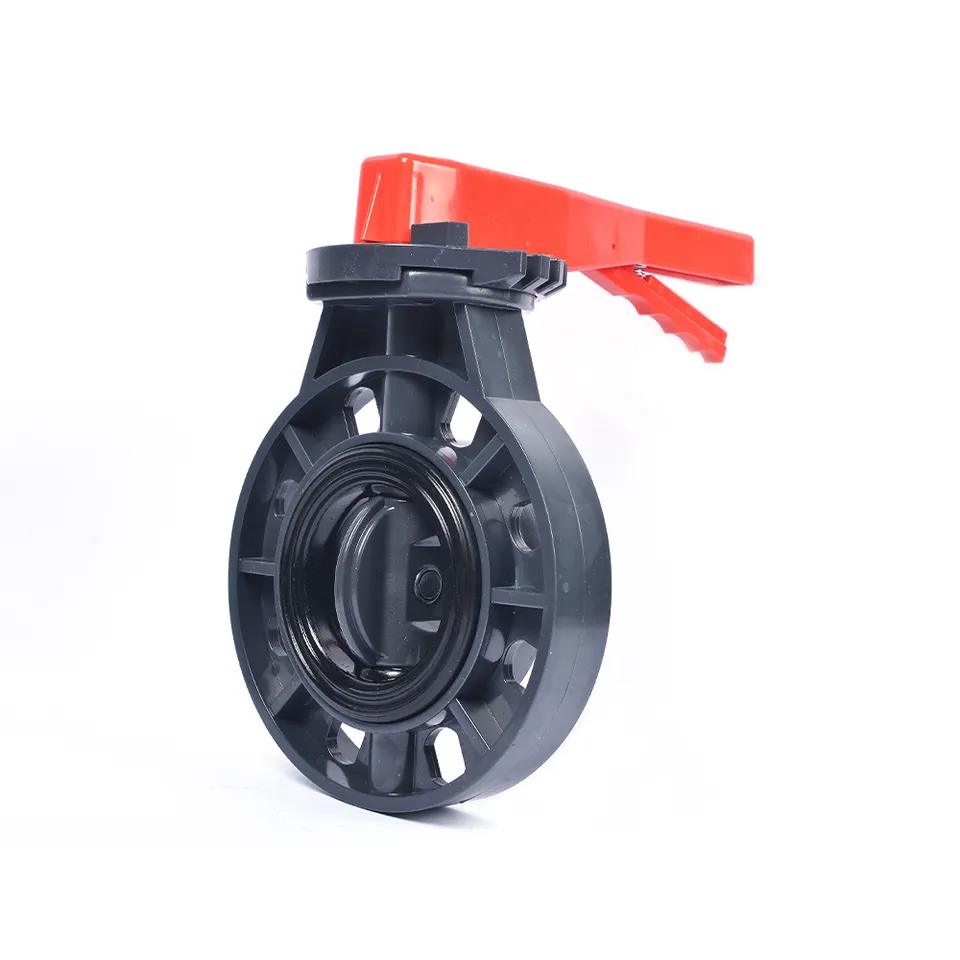
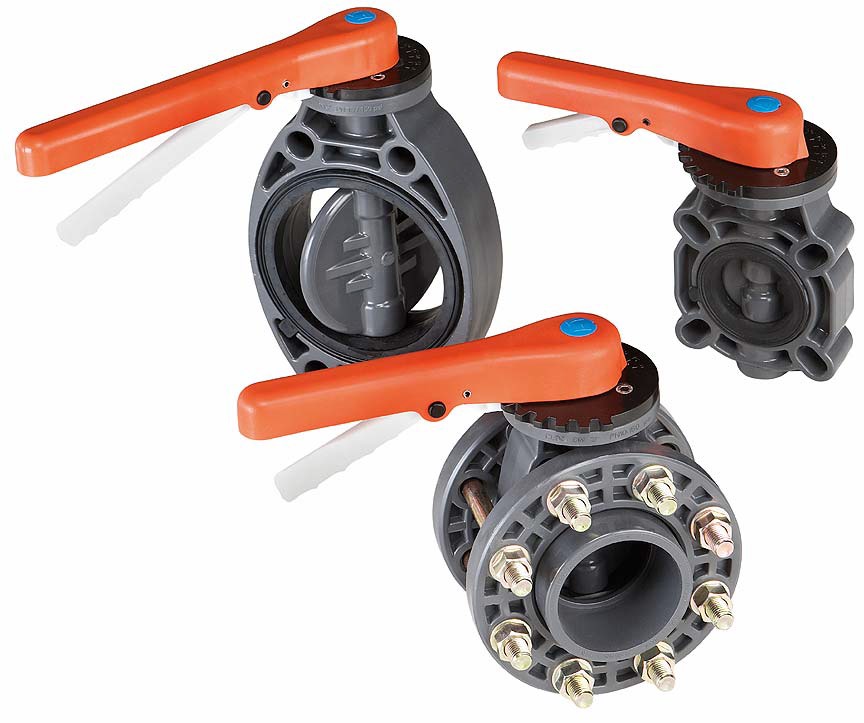
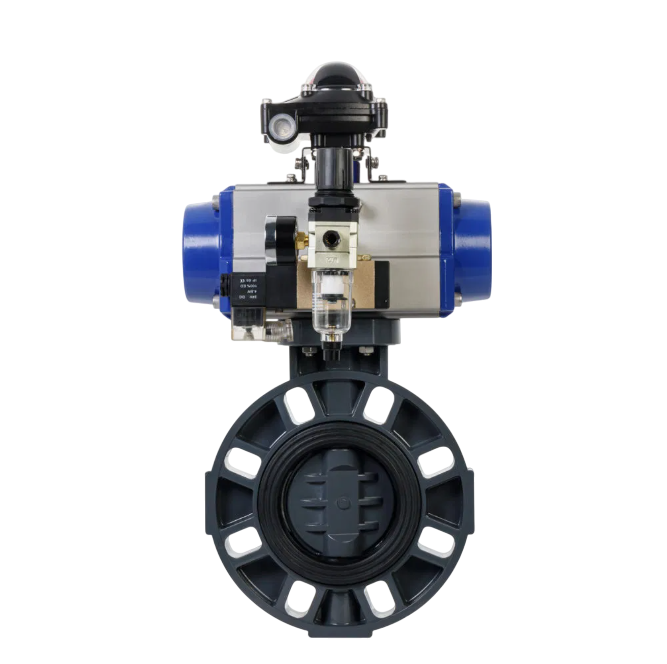
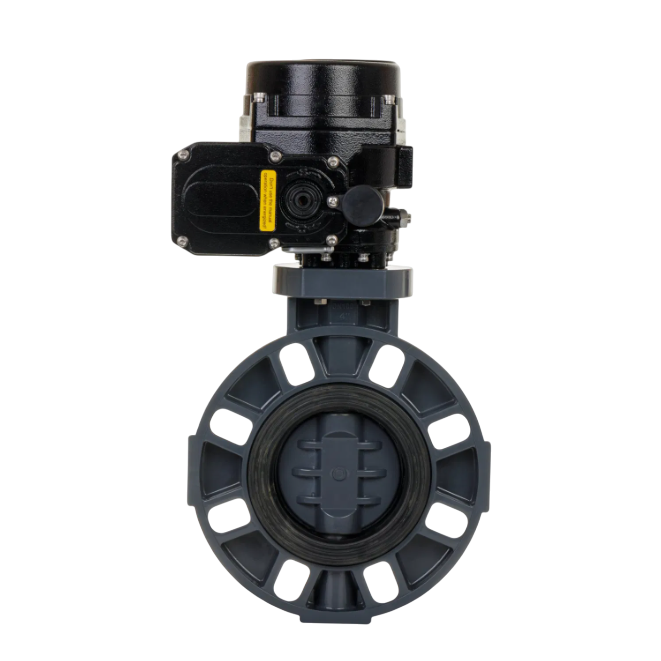
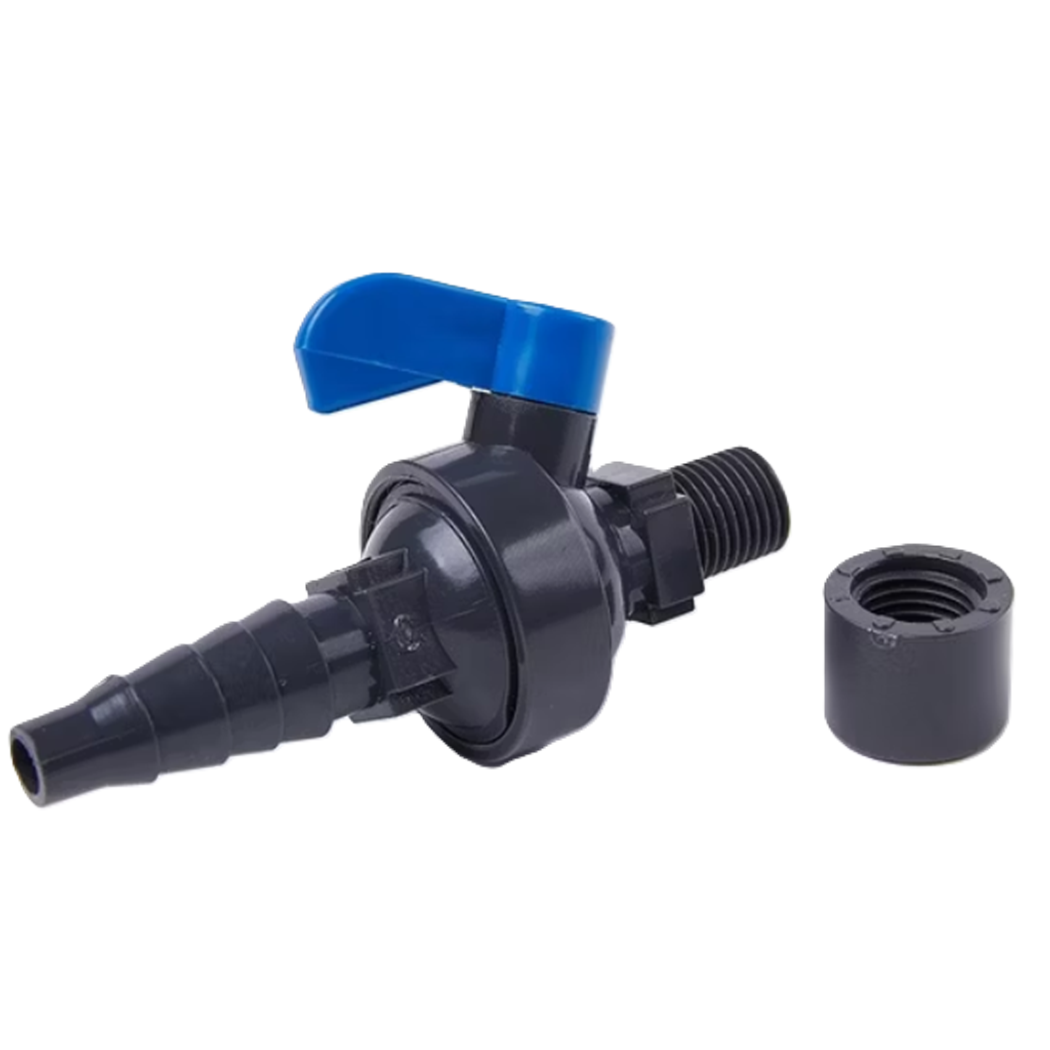
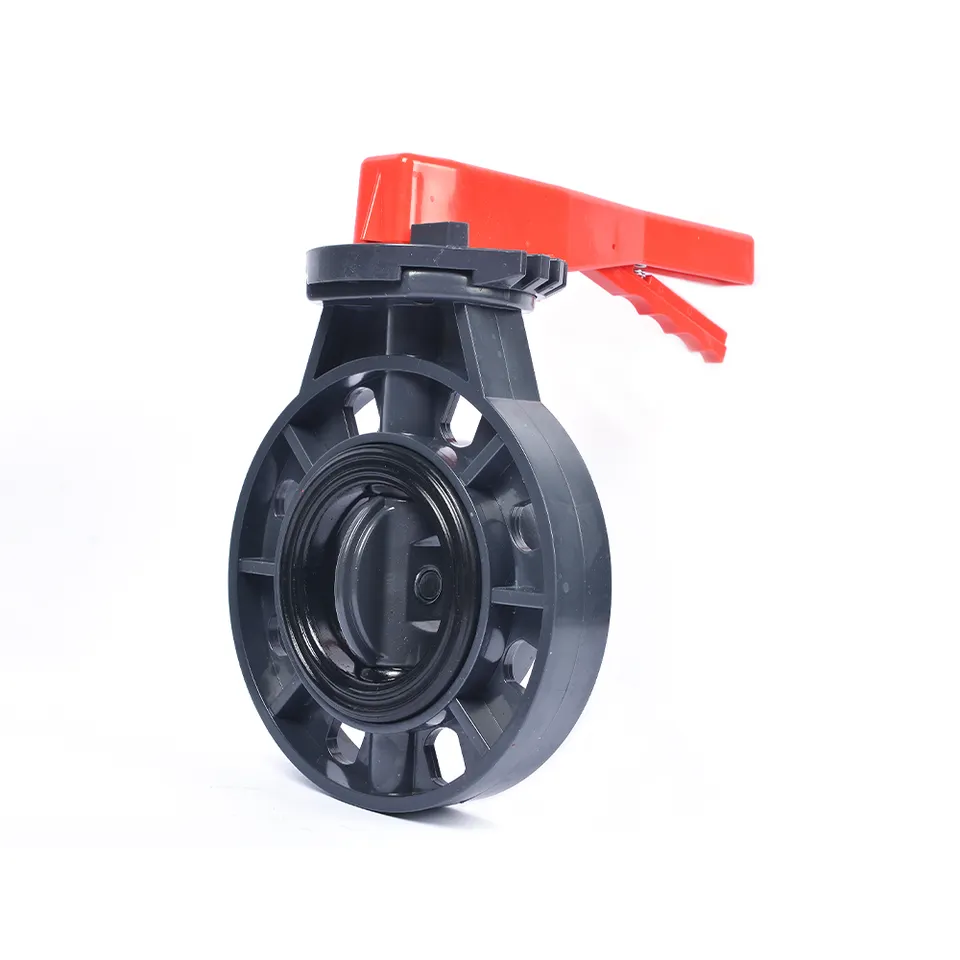
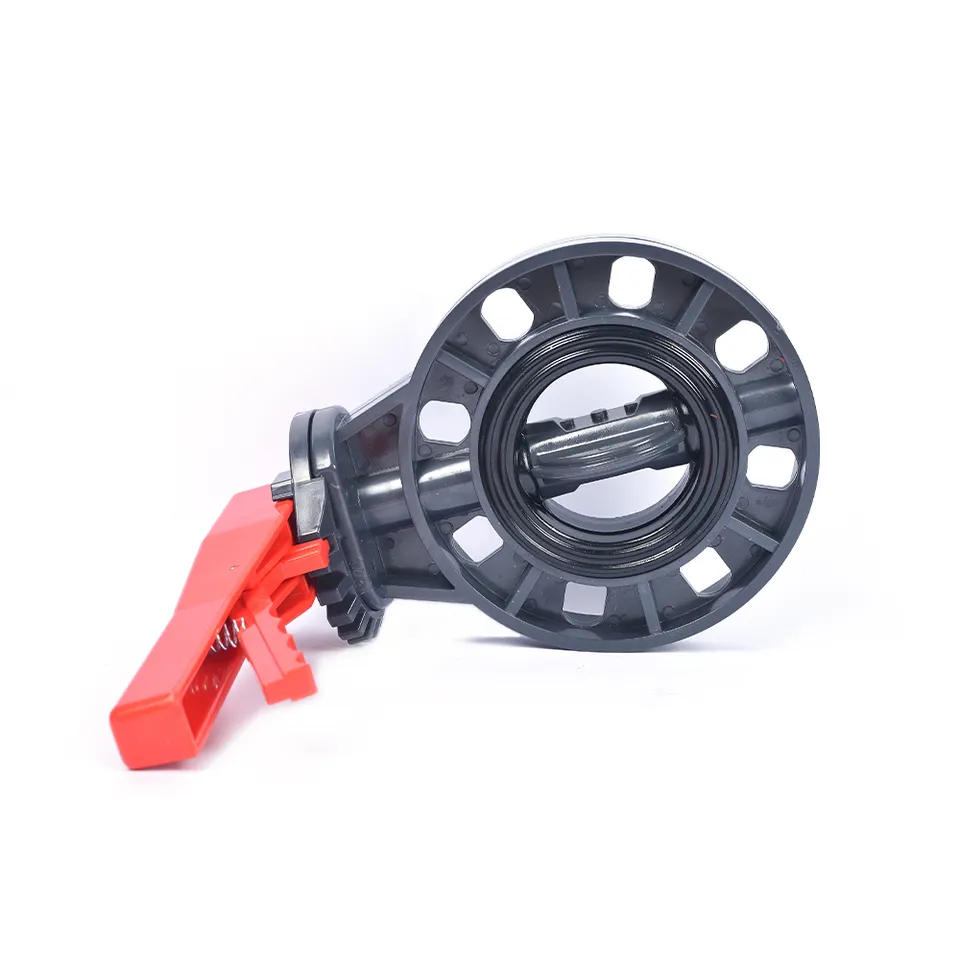
EVA UPVC butterfly valve is a type of flow control valve, primarily used in plumbing and piping systems, especially in water and wastewater management. It features a disc-shaped element (the "butterfly") that rotates to regulate or stop the flow of fluids. UPVC (unplasticized polyvinyl chloride) makes these valves lightweight, corrosion-resistant, and suitable for various applications.
Here's a more detailed description:
Key Features:
- Disc-shaped element: The valve's core is a disc that rotates on a stem. When the disc is aligned with the flow, the valve is open; when perpendicular, it's closed.
- UPVC Material: Provides chemical resistance, durability, and affordability.
- Versatility: Suitable for on/off and throttling applications, controlling the flow of liquids and gases.
- Compact Design: Requires less space compared to some other valve types.
- Lightweight: Facilitates easier installation and reduces stress on piping systems.
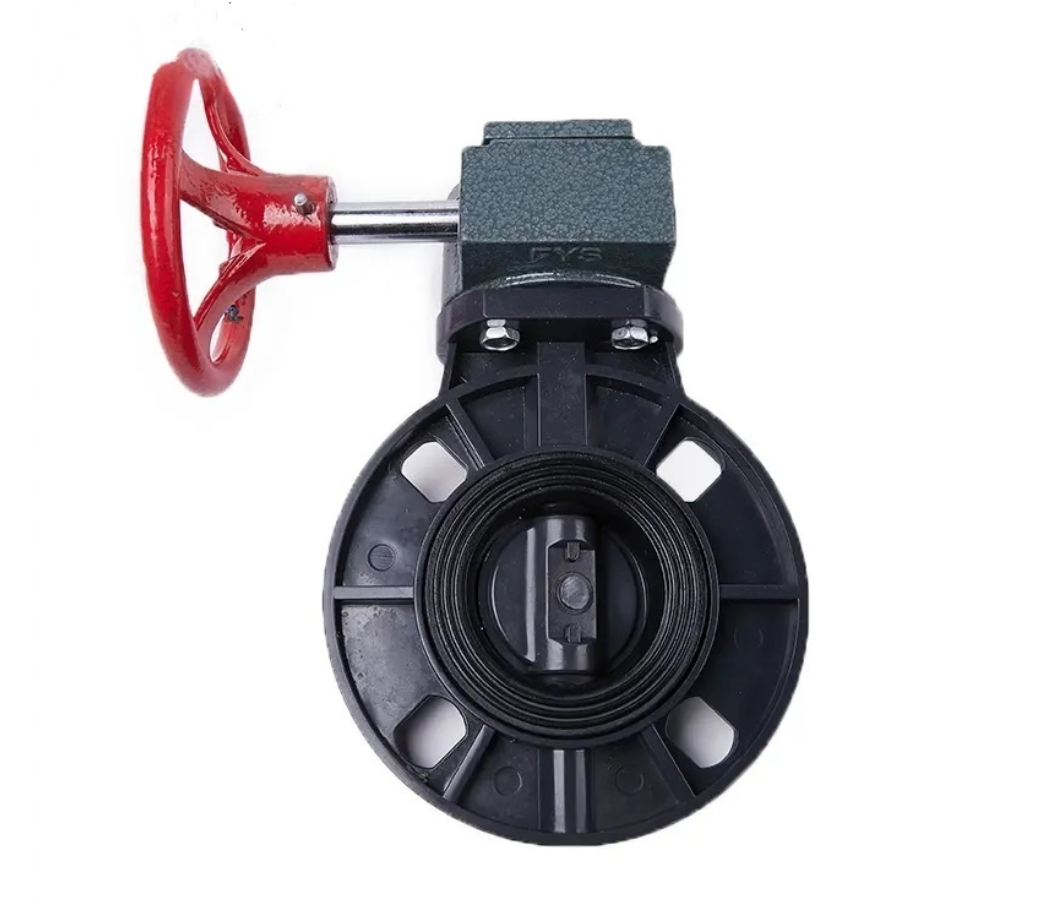
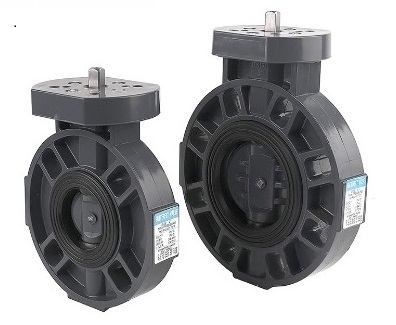
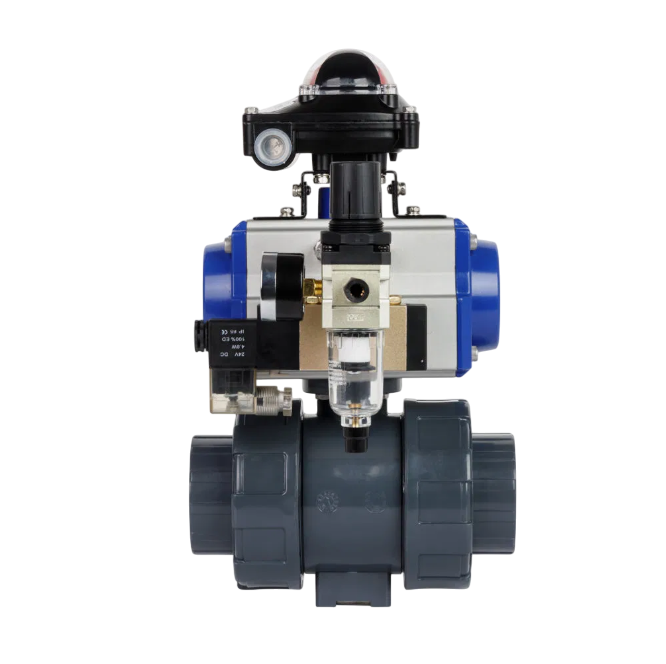
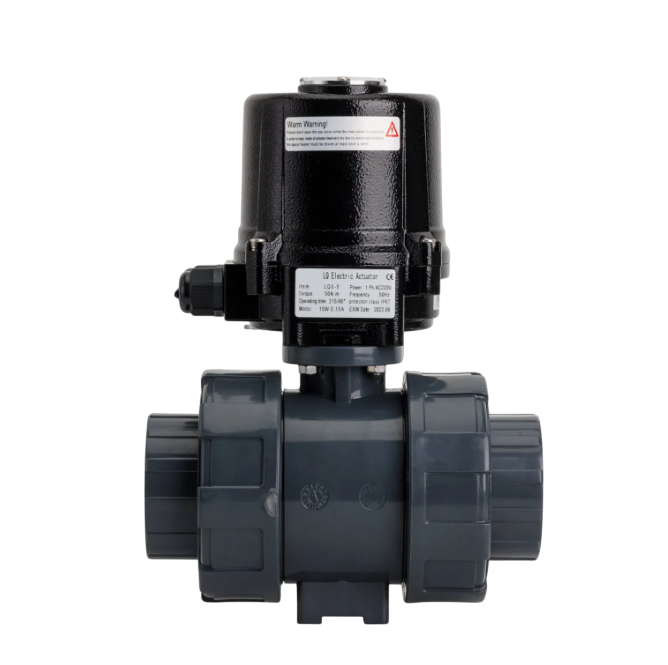
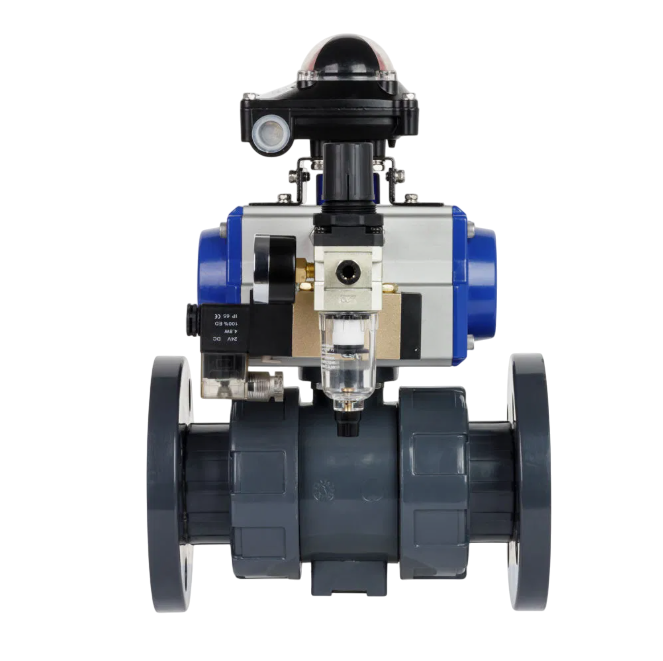
- Optional Actuators: Can be manually operated with a handle or automatically with electric or pneumatic actuators for remote operation.
- Resilient Seat: Ensures a tight seal, minimizing leakage.
Common Applications:
- Water and Wastewater Treatment: Regulating flow in various stages of treatment.
- HVAC Systems: Controlling airflow and water circulation.
- Chemical Processing: Handling corrosive fluids.
- Food and Beverage Production: Maintaining hygiene and flow control.
- Swimming pools and pump houses.
Benefits:
- Corrosion Resistance:
UPVC's resistance to many chemicals makes it ideal for various industrial and commercial applications.
- Low Maintenance:
Generally low maintenance and can have long operating lives, especially with automated versions.
- Cost-Effective:
UPVC is a relatively inexpensive material, making the valves more affordable compared to metal alternatives.
- Easy Installation:
Lightweight and compact design simplify installation and reduce labor costs.
- Precise Flow Control:
Well-suited for applications needing precise flow regulation.
Actuators:
- Manual: Operated by a hand lever or gearbox.
- Electric: Controlled remotely via an electric motor.
- Pneumatic: Controlled by compressed air.
Standards and Specifications:
- BS 5155: A British Standard specification for butterfly valves.
- API 609: An American Petroleum Institute standard.
- ASME B 16.34: A standard for valves – flange, thread, and welding ends.
- ISO 5752: An International Organization for Standardization (ISO) standard.