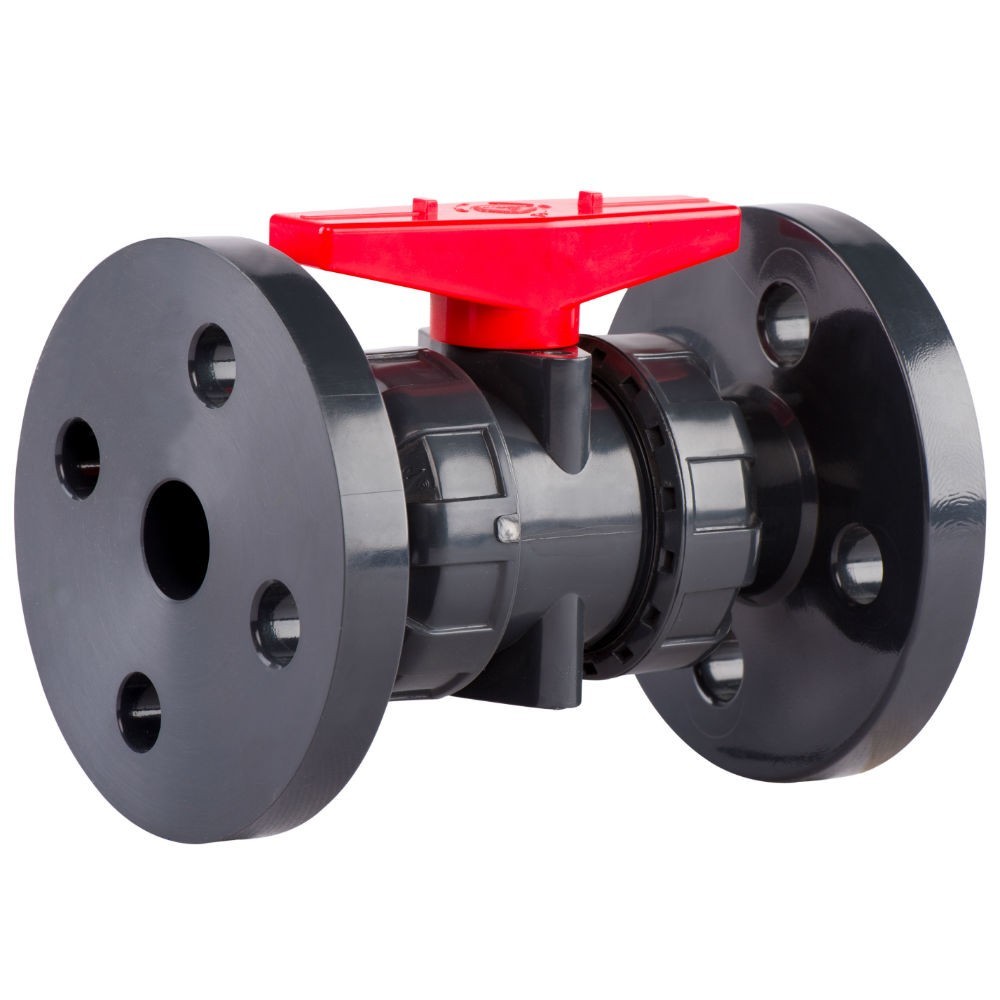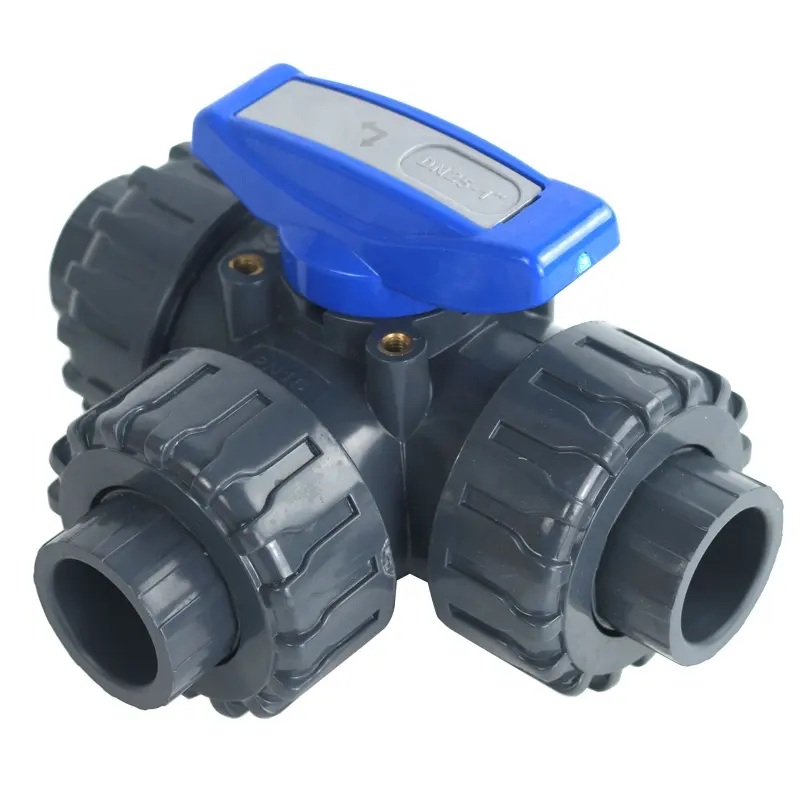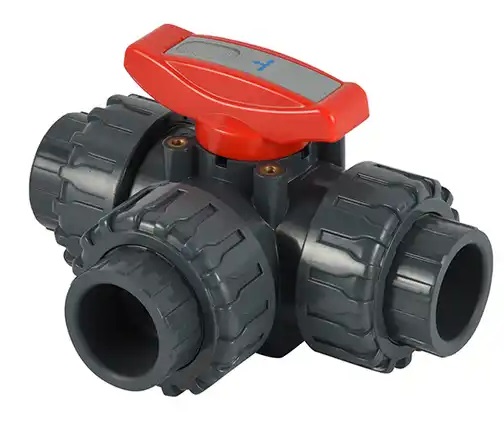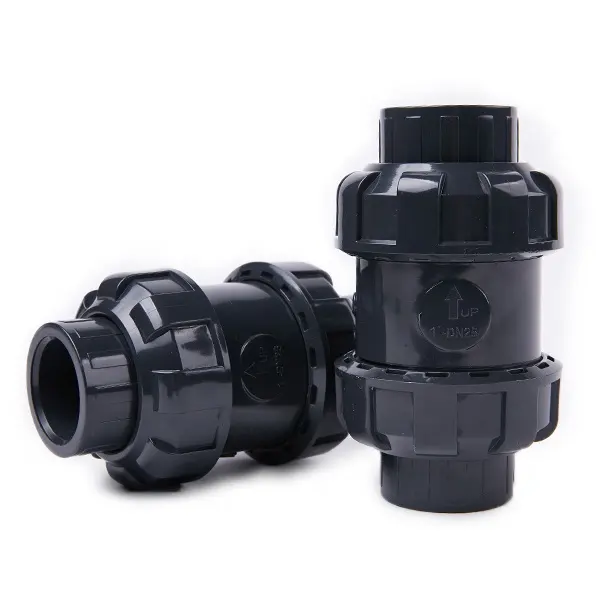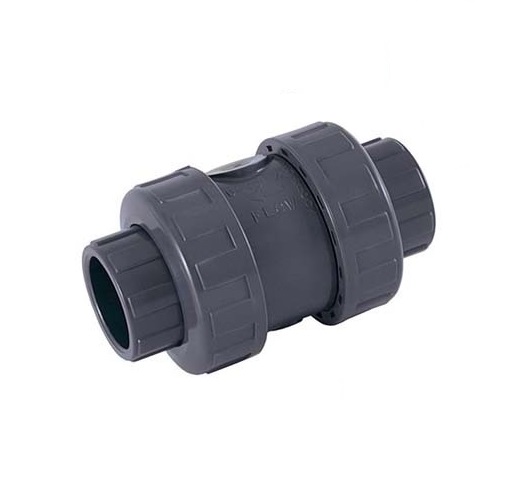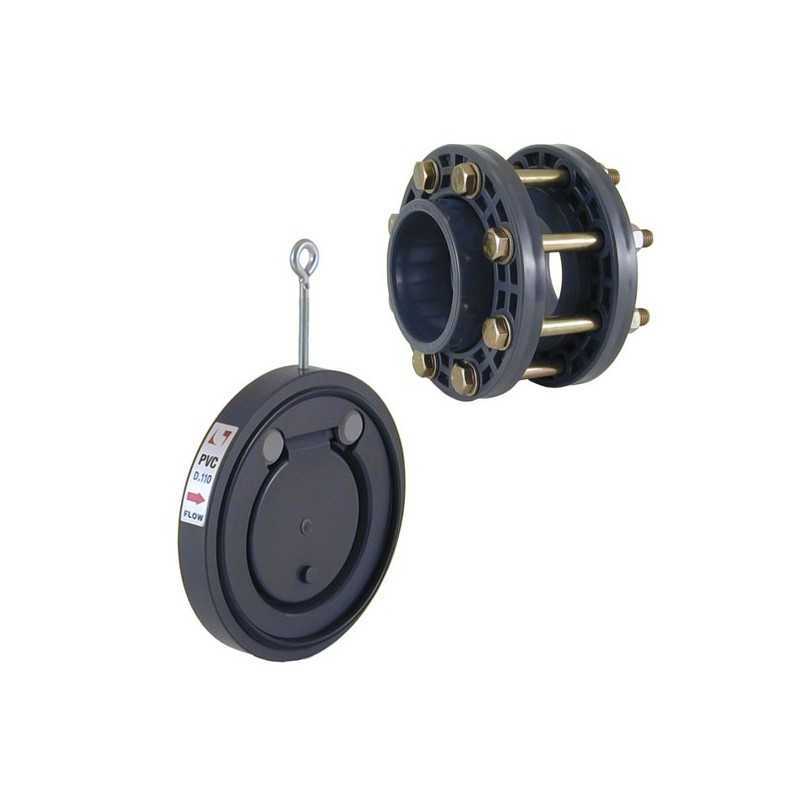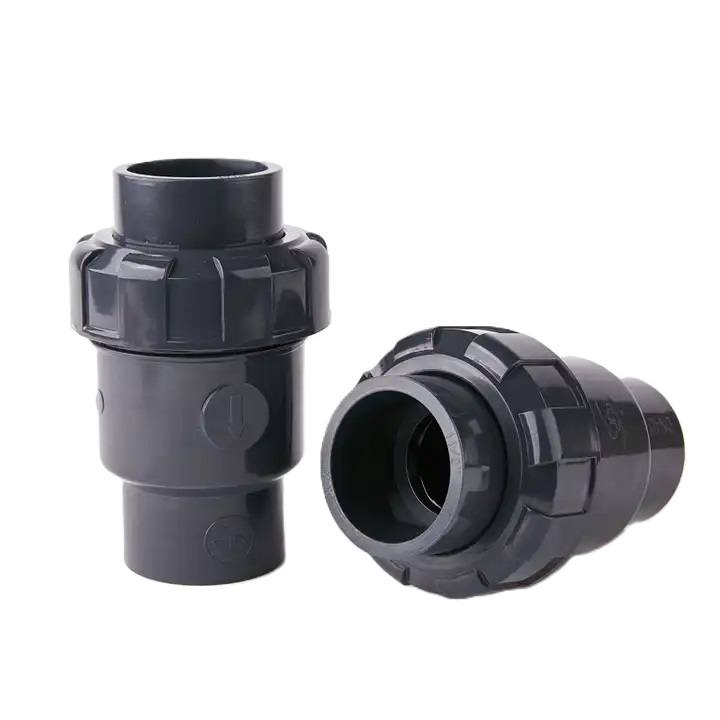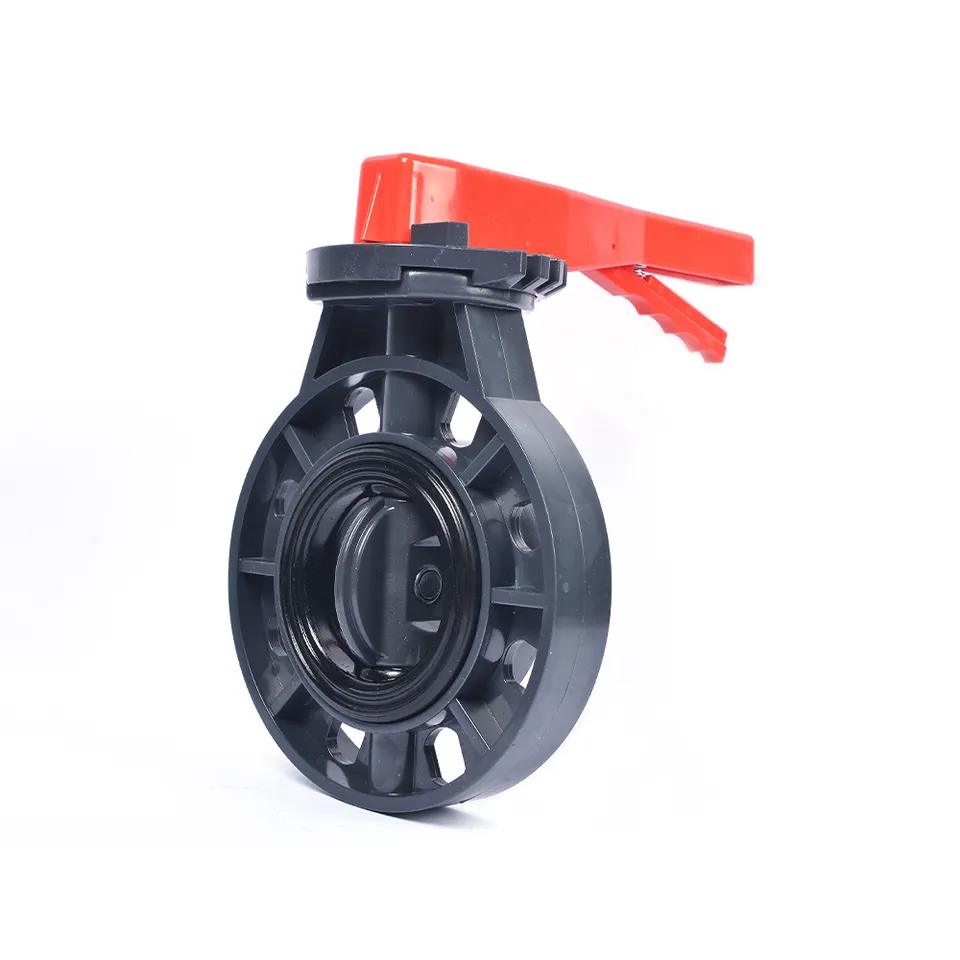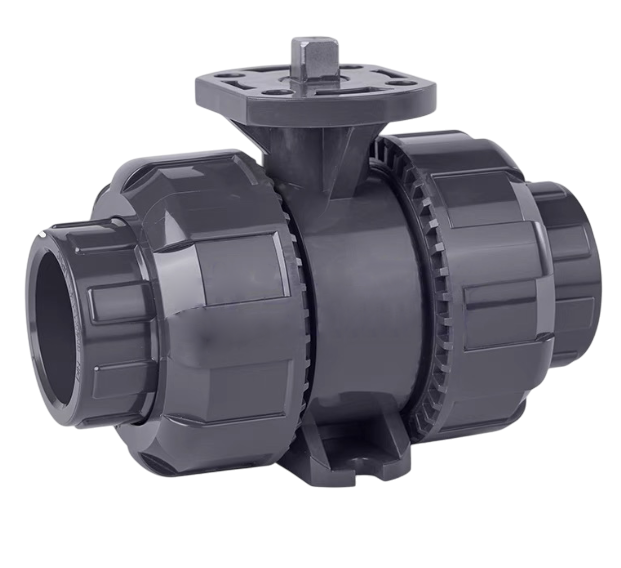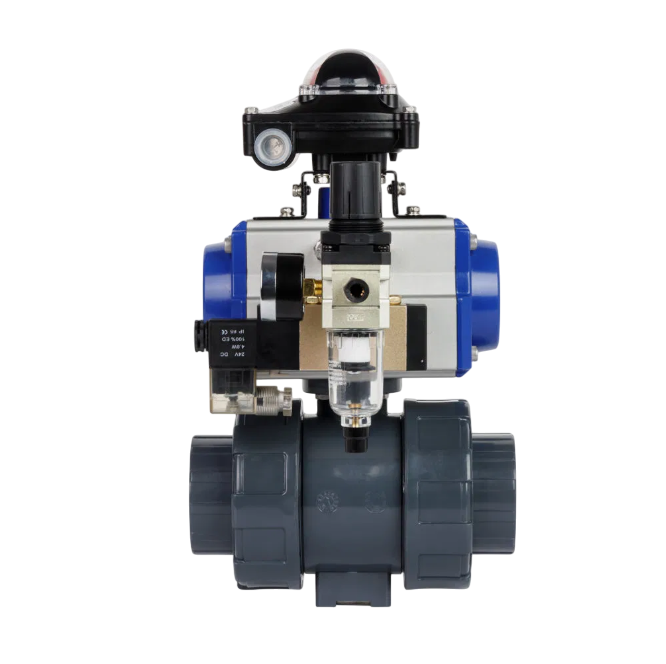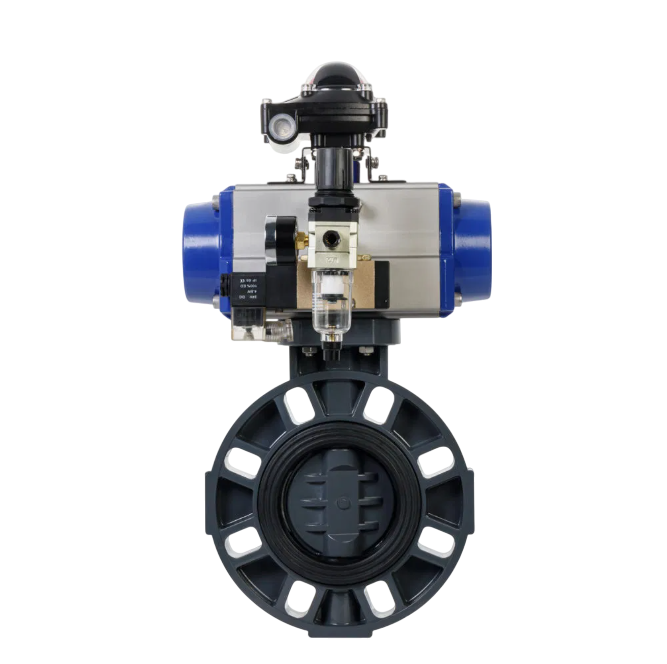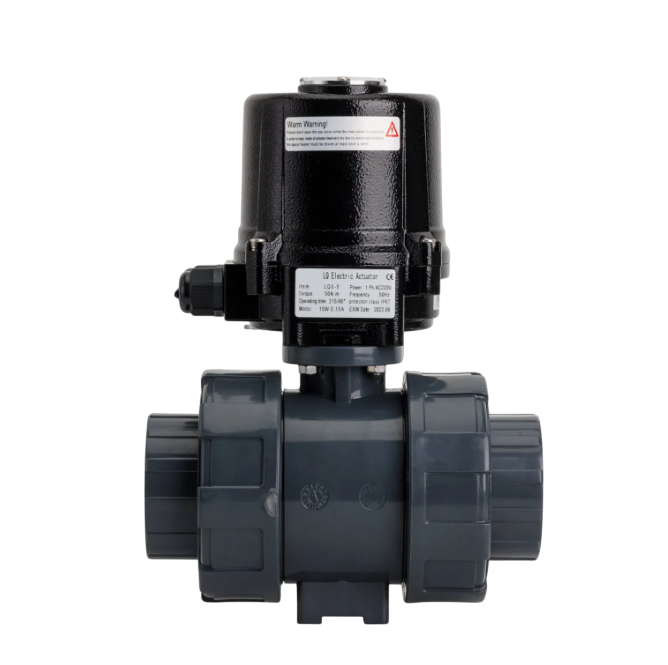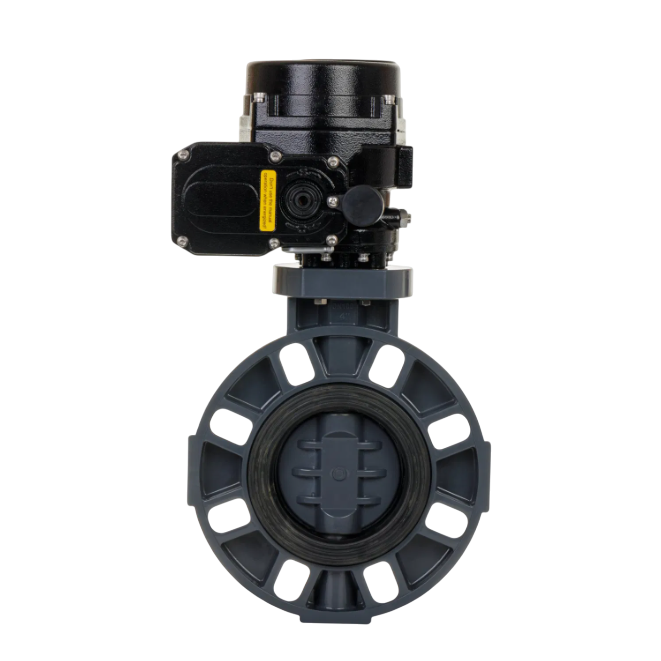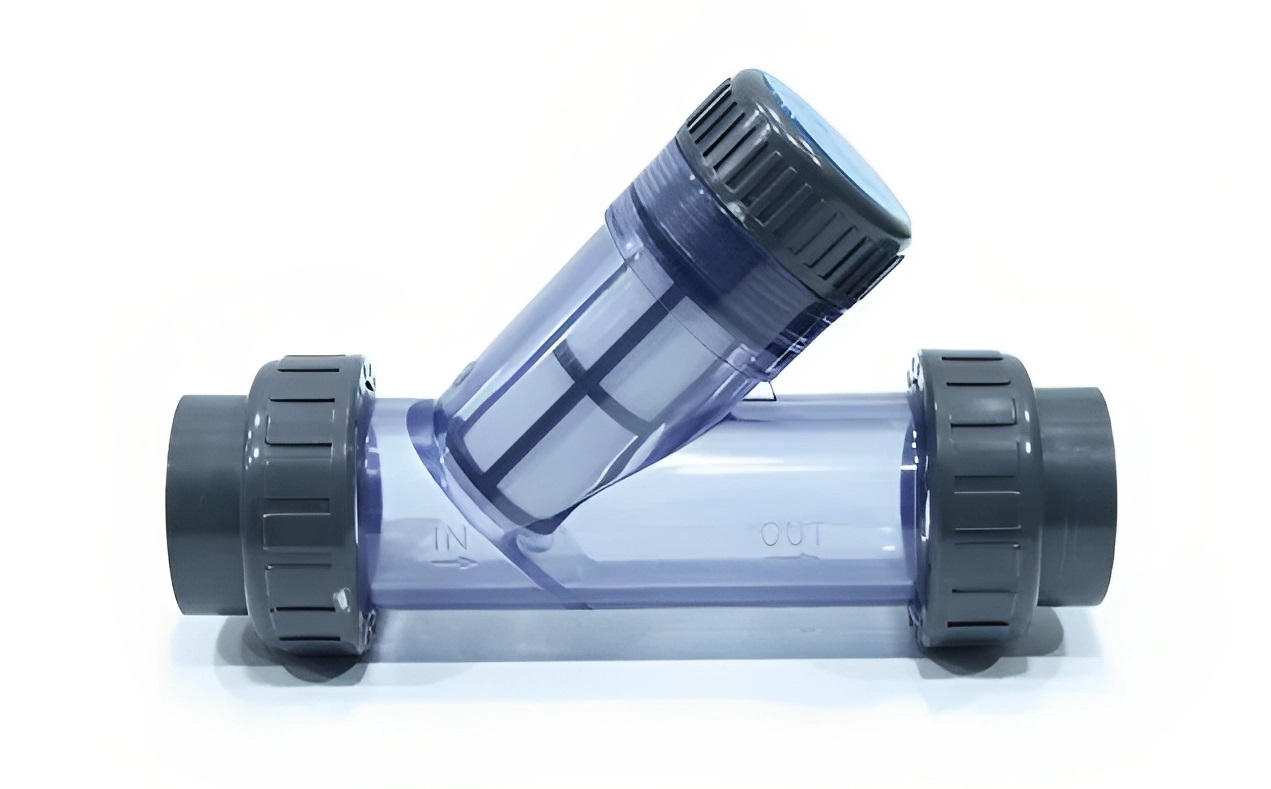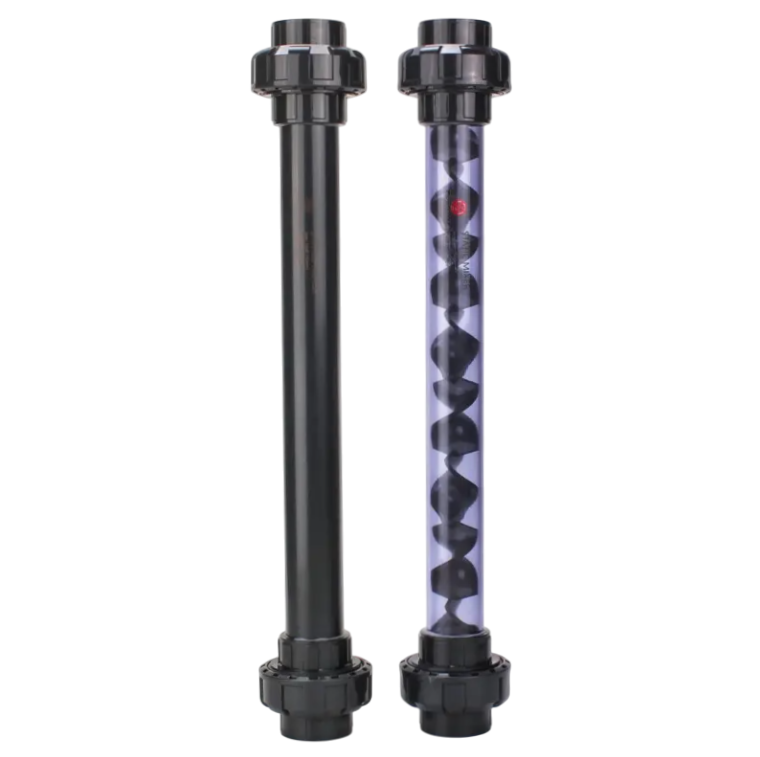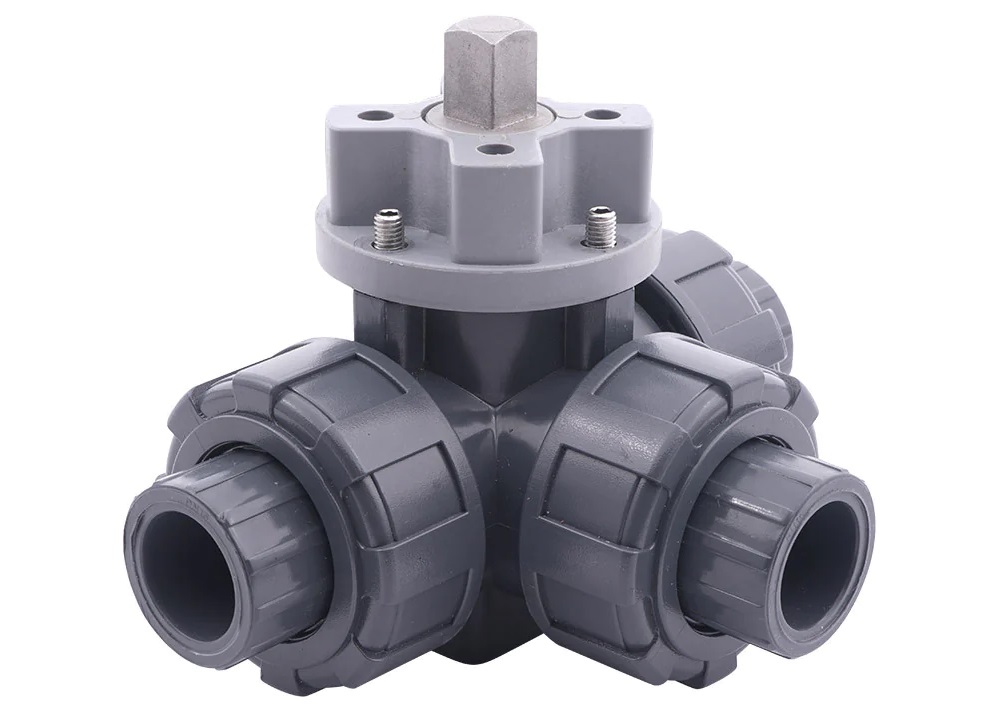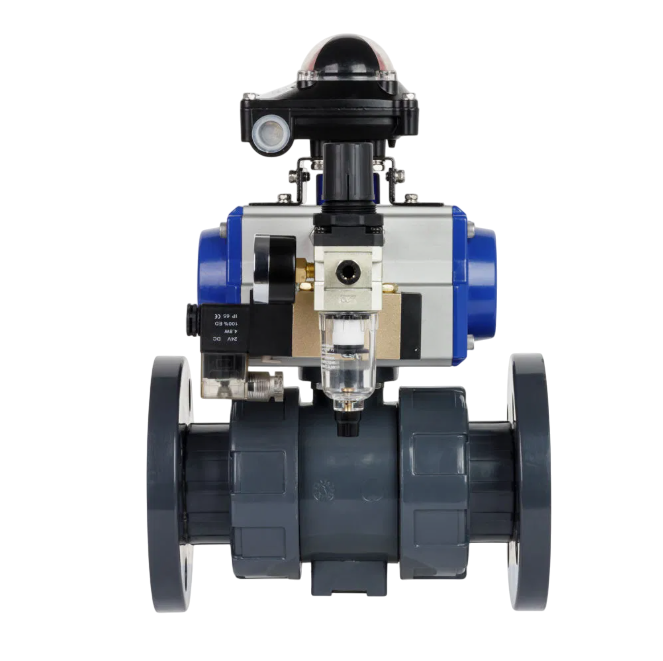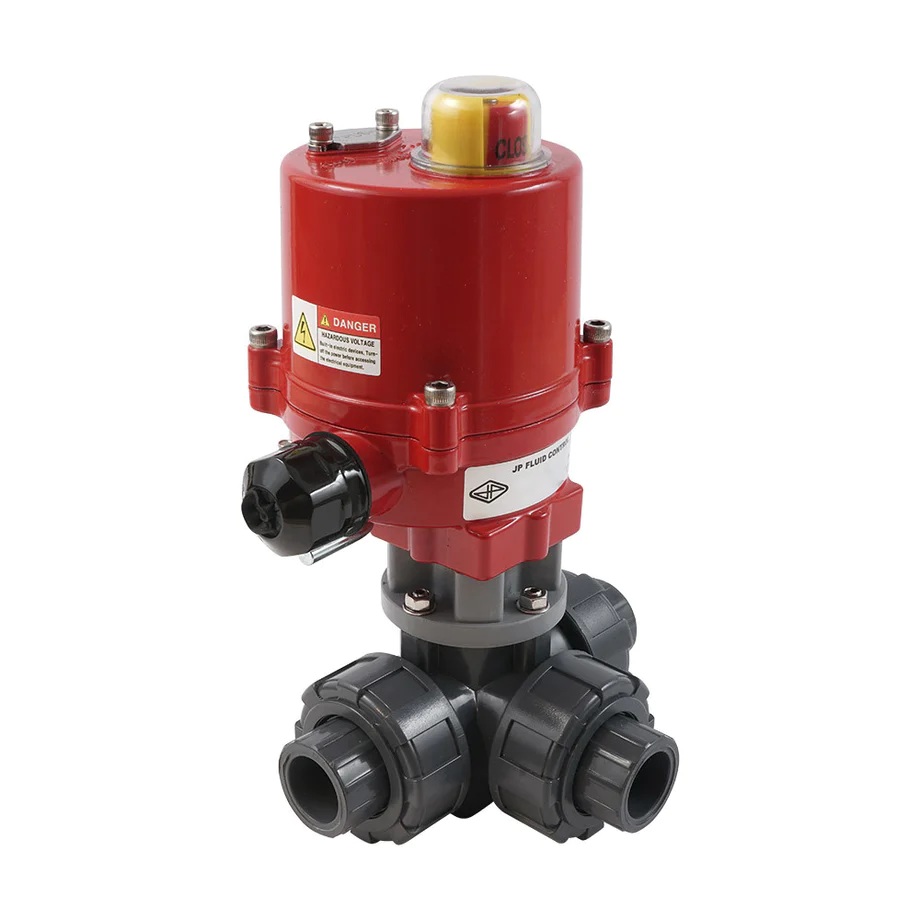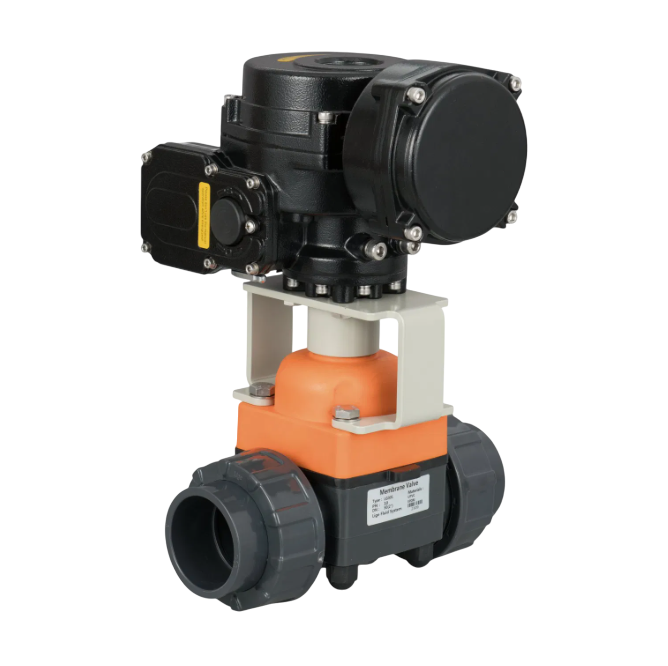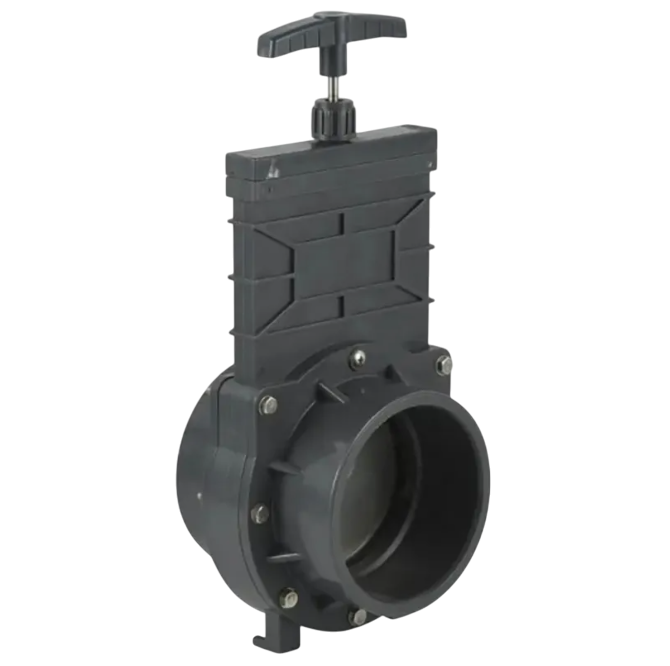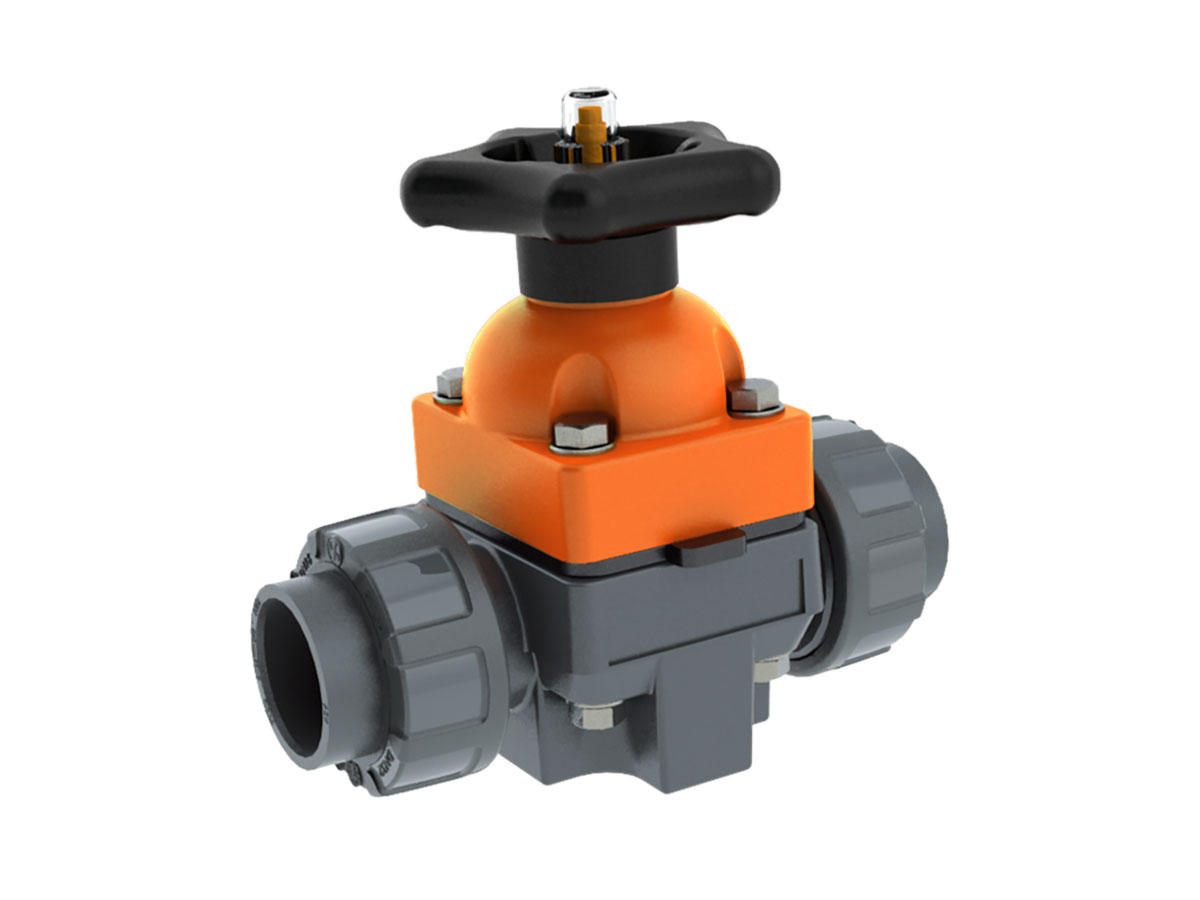
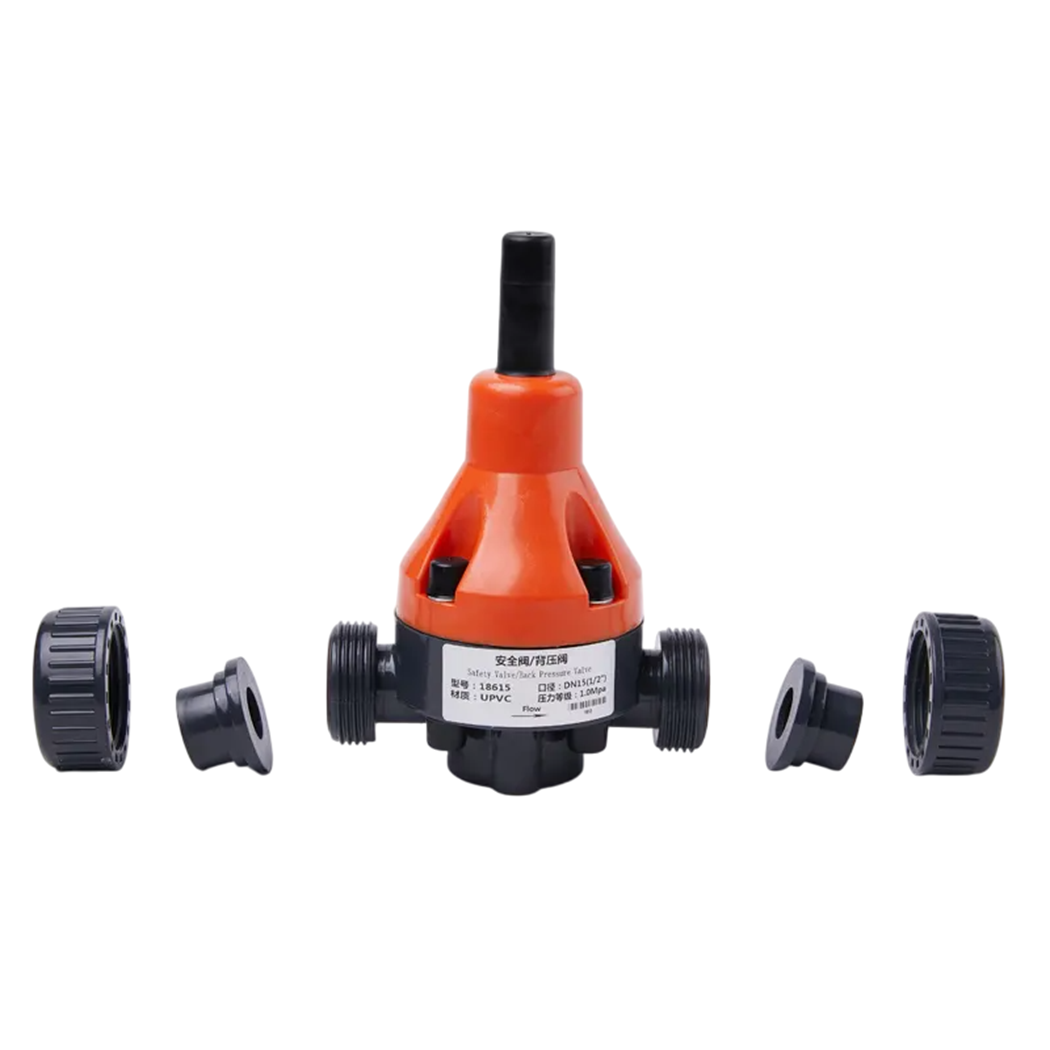
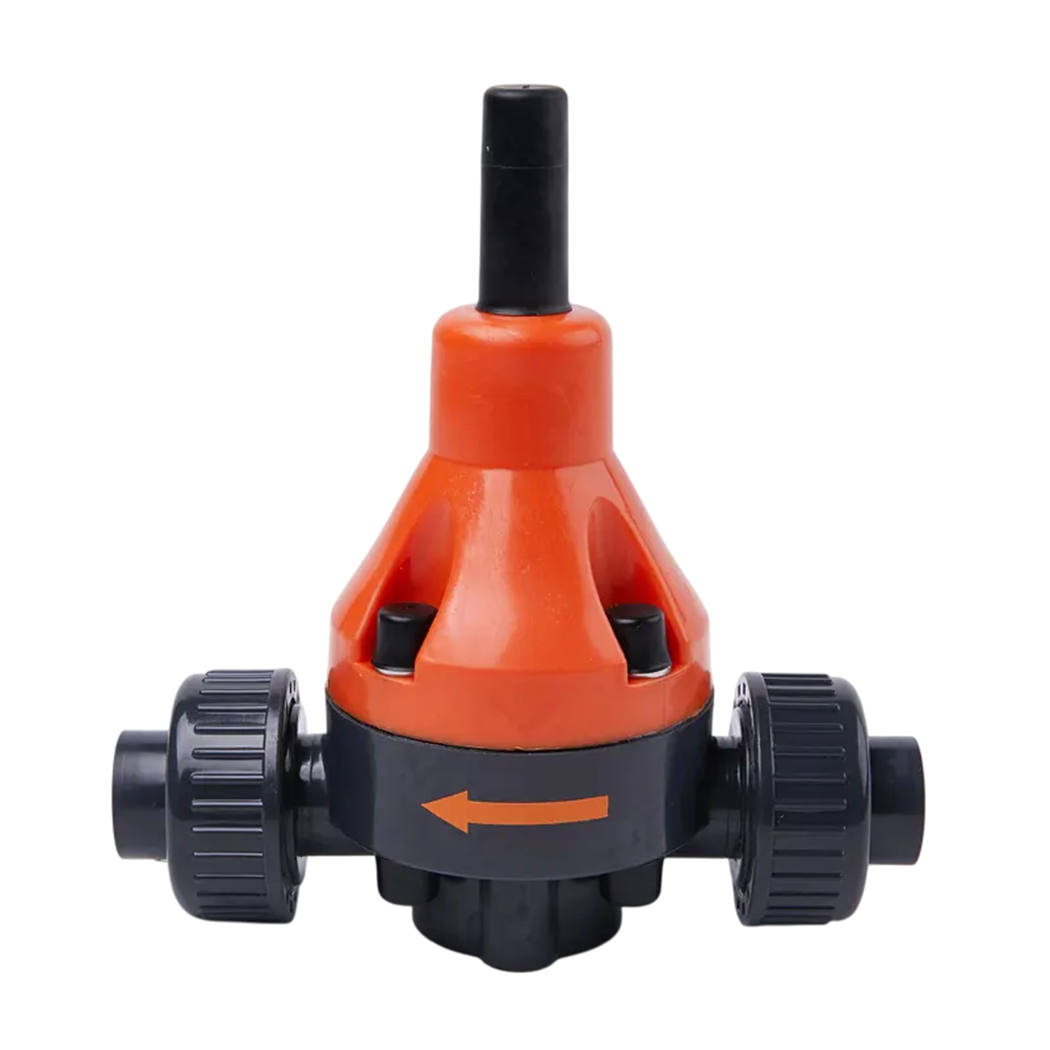
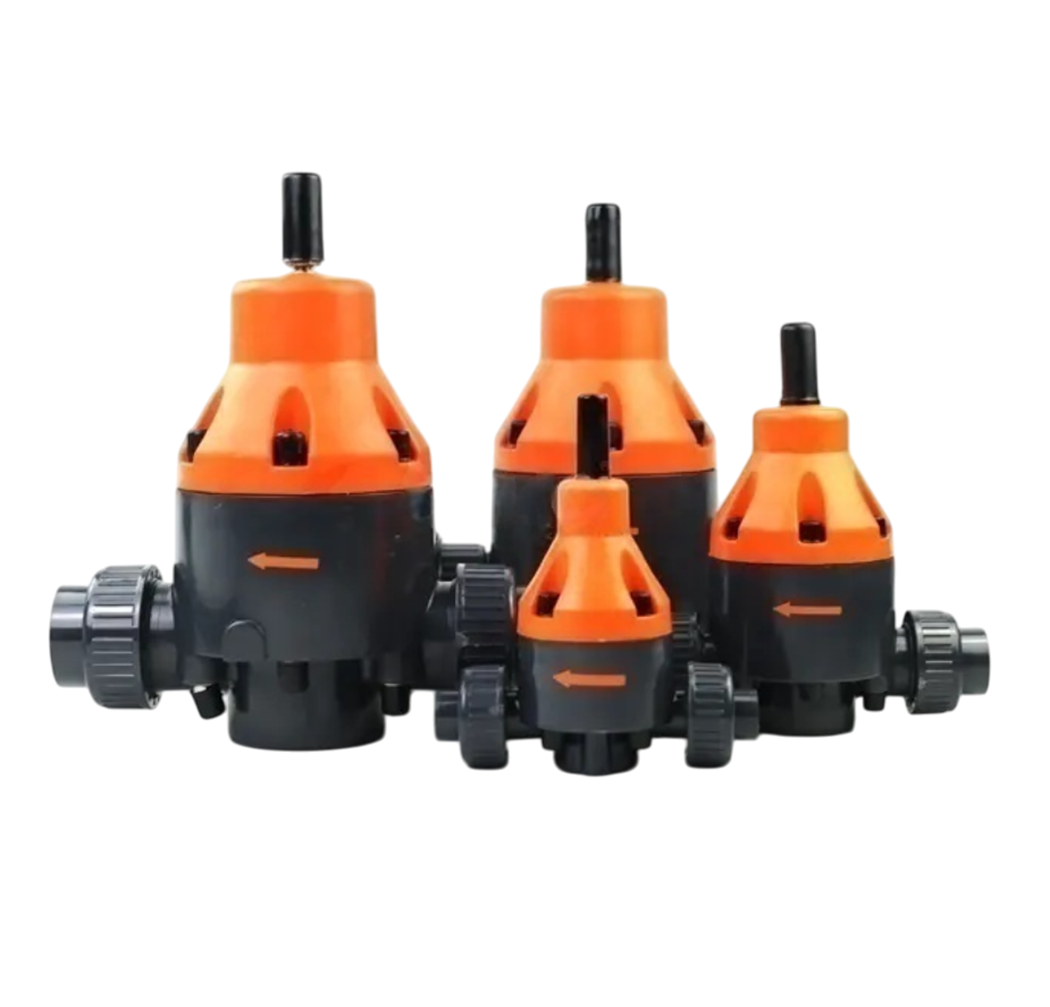
| FIG. | PARTS | MATERIAL | QTY |
| 1 | Body | UPVC/CPVC/PP-H/PVDF | 1 |
| 2 | O-Ring | EPDM | 1 |
| 3 | Diaphragm | PTFE | 1 |
| 4 | Union End | UPVC/CPVC/PP-H/PVDF | 1 |
| 5 | Union Nut | UPVC/CPVC/PP-H/PVDF | 1 |
| 6 | Spring | SS304 | 1 |

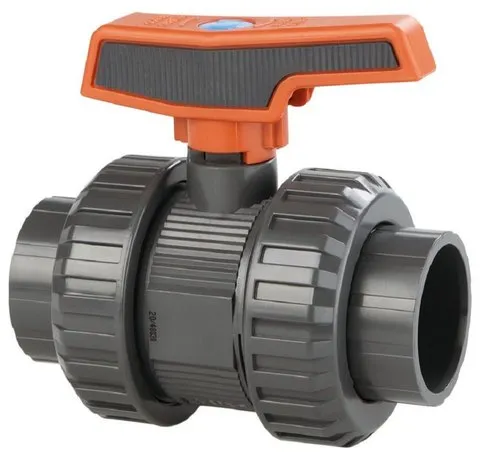
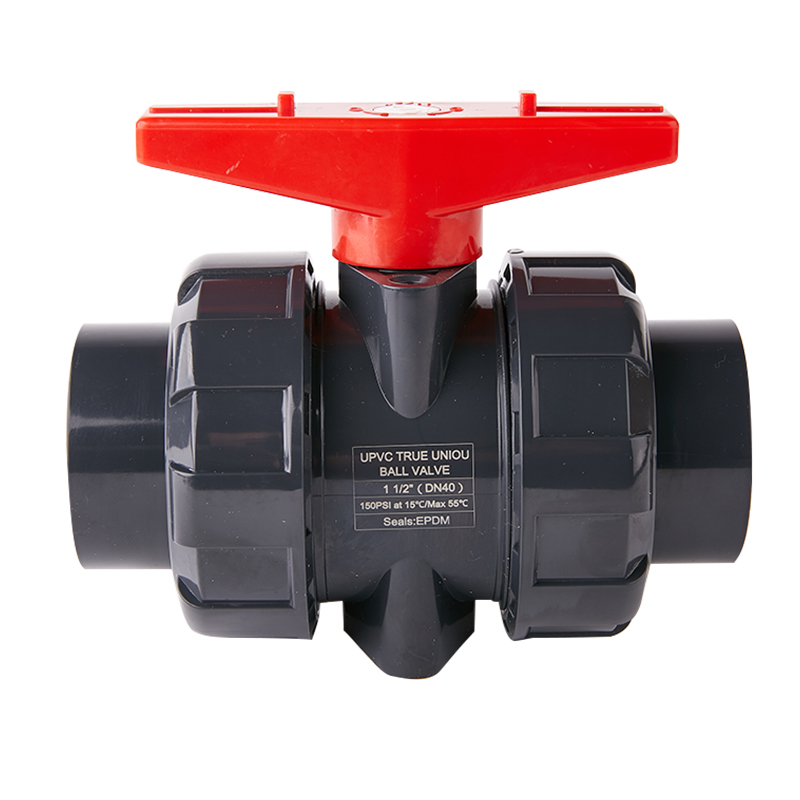
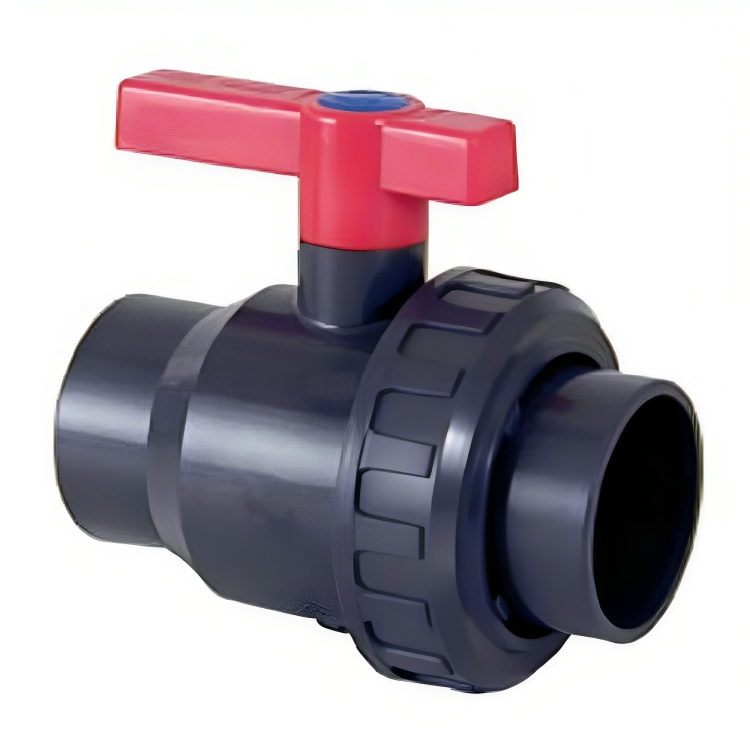
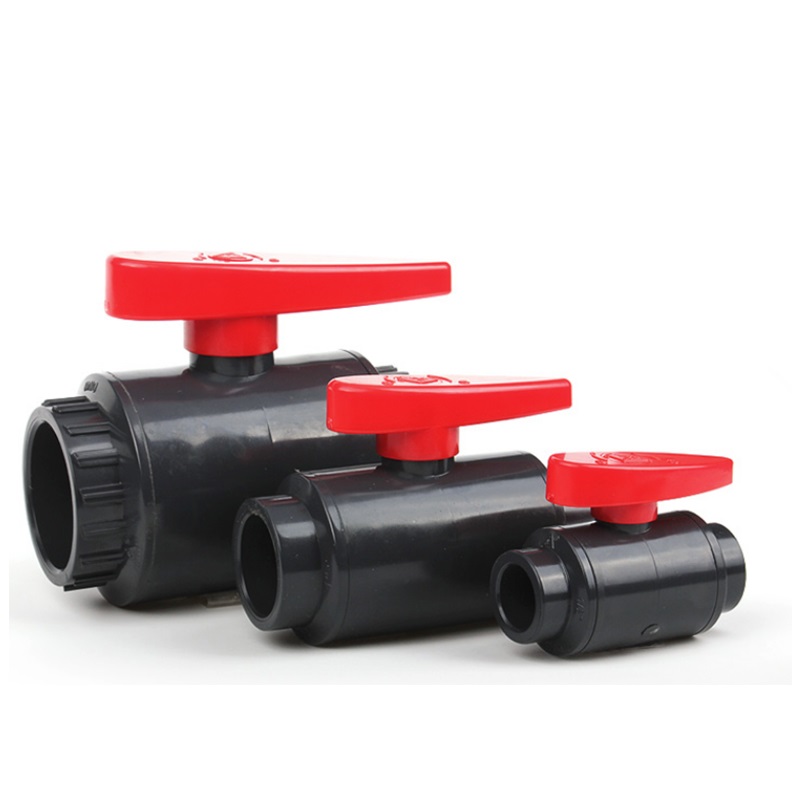
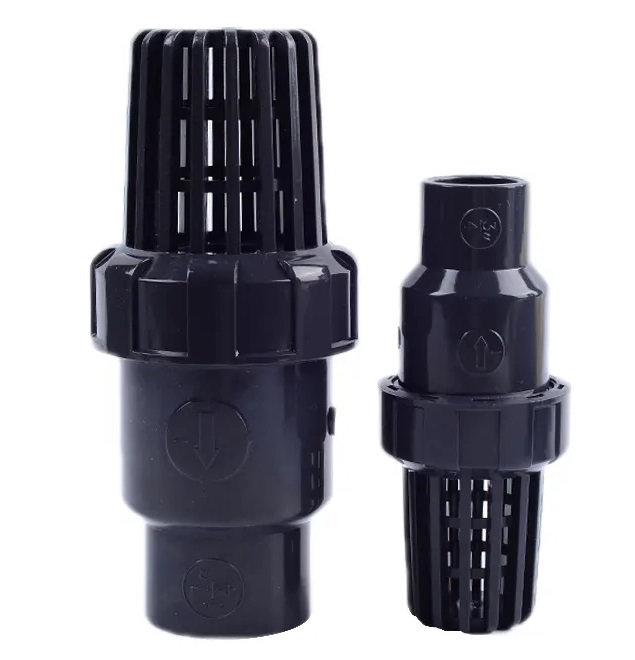
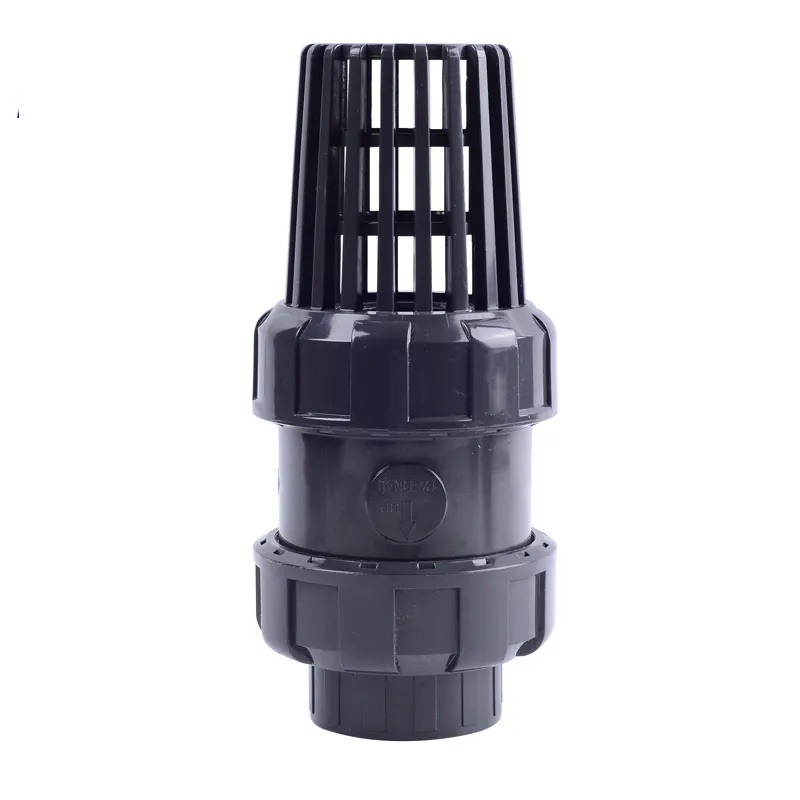
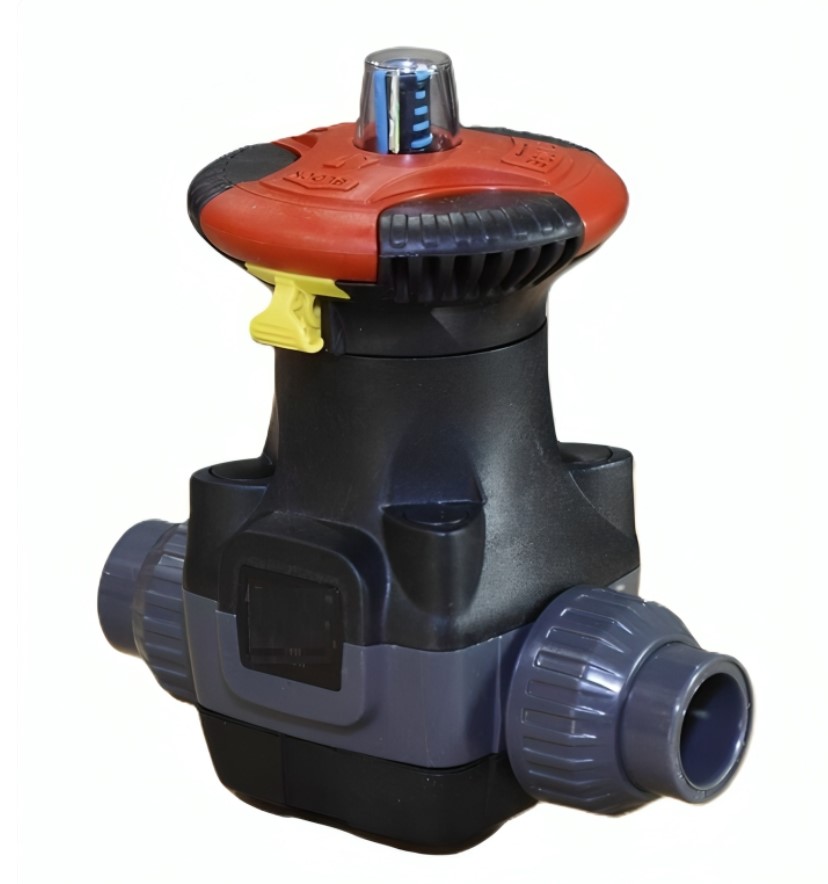
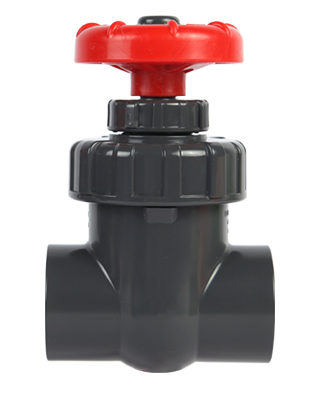
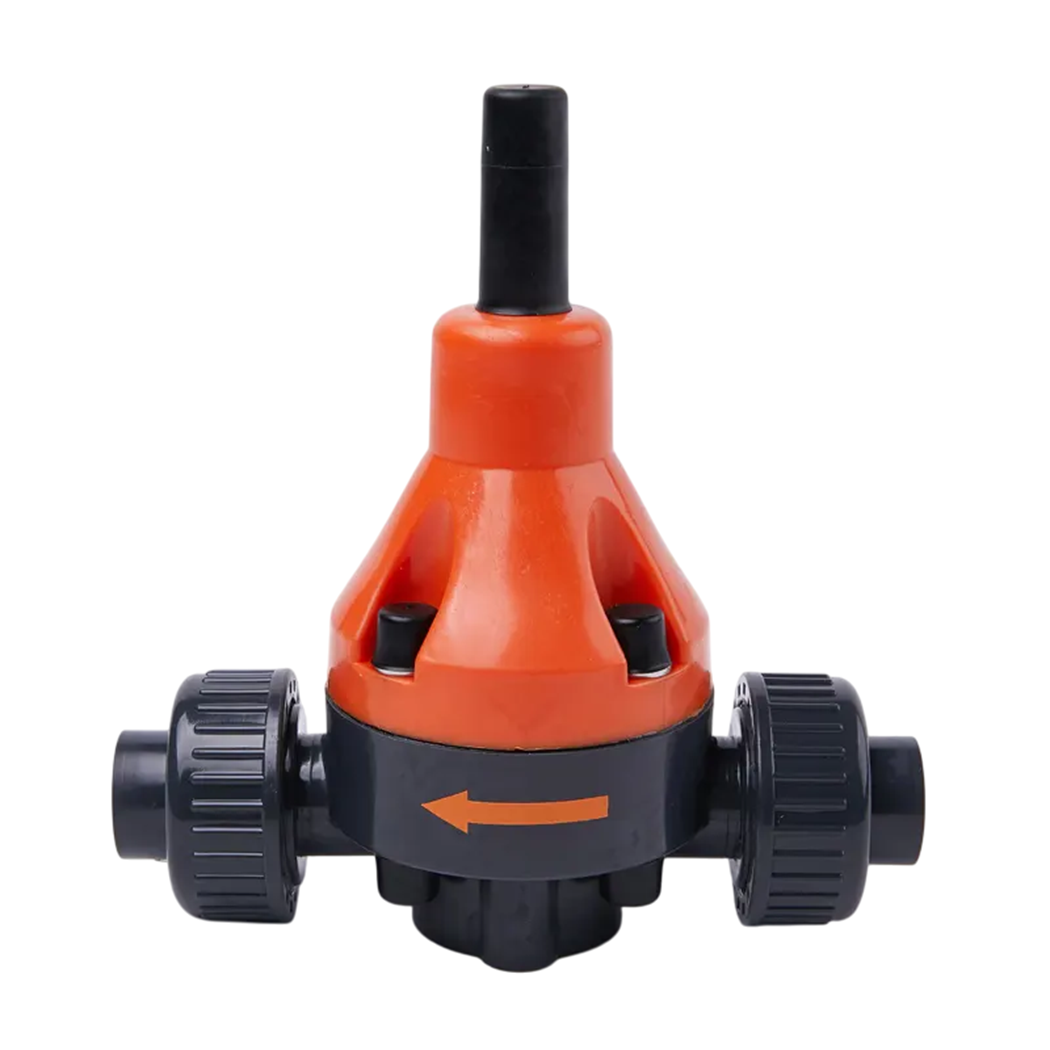
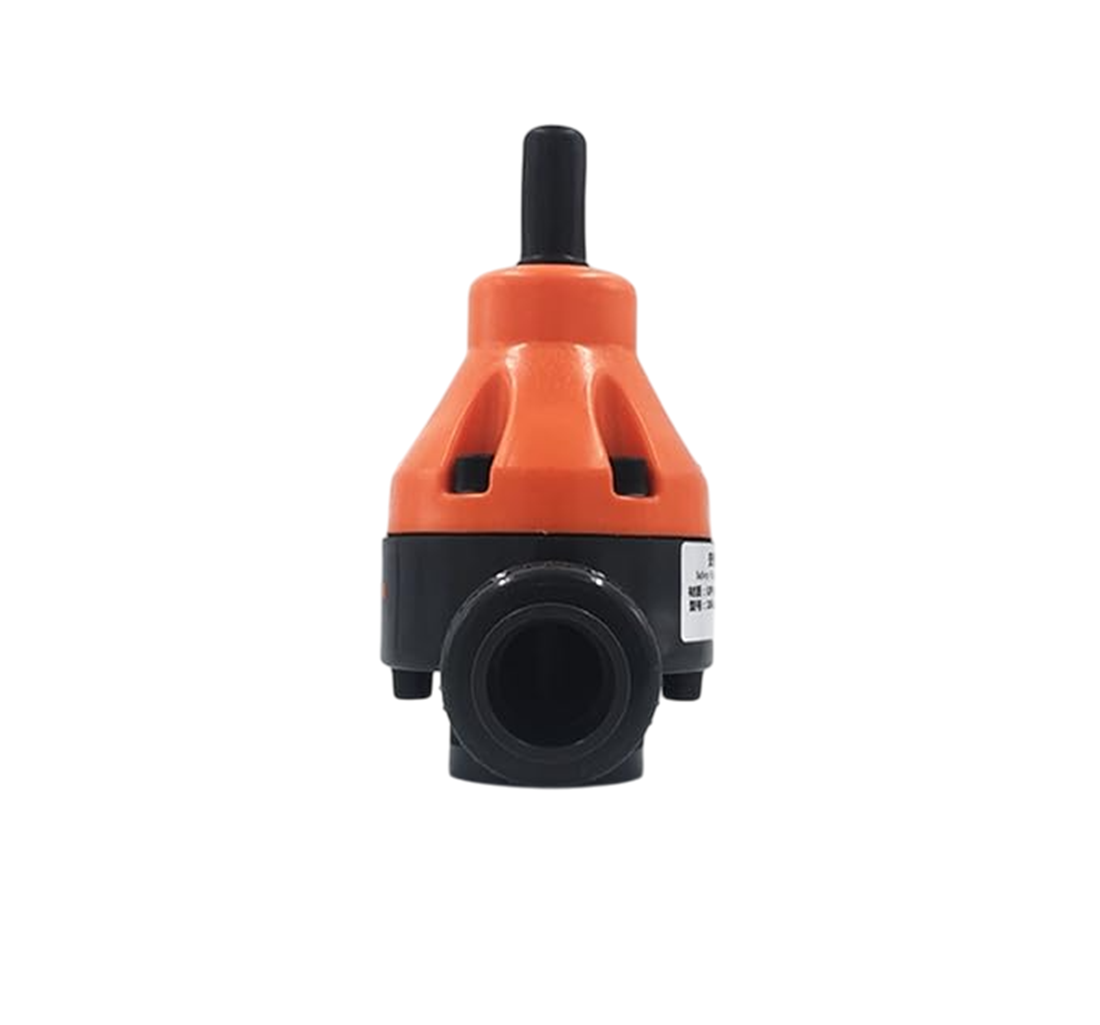
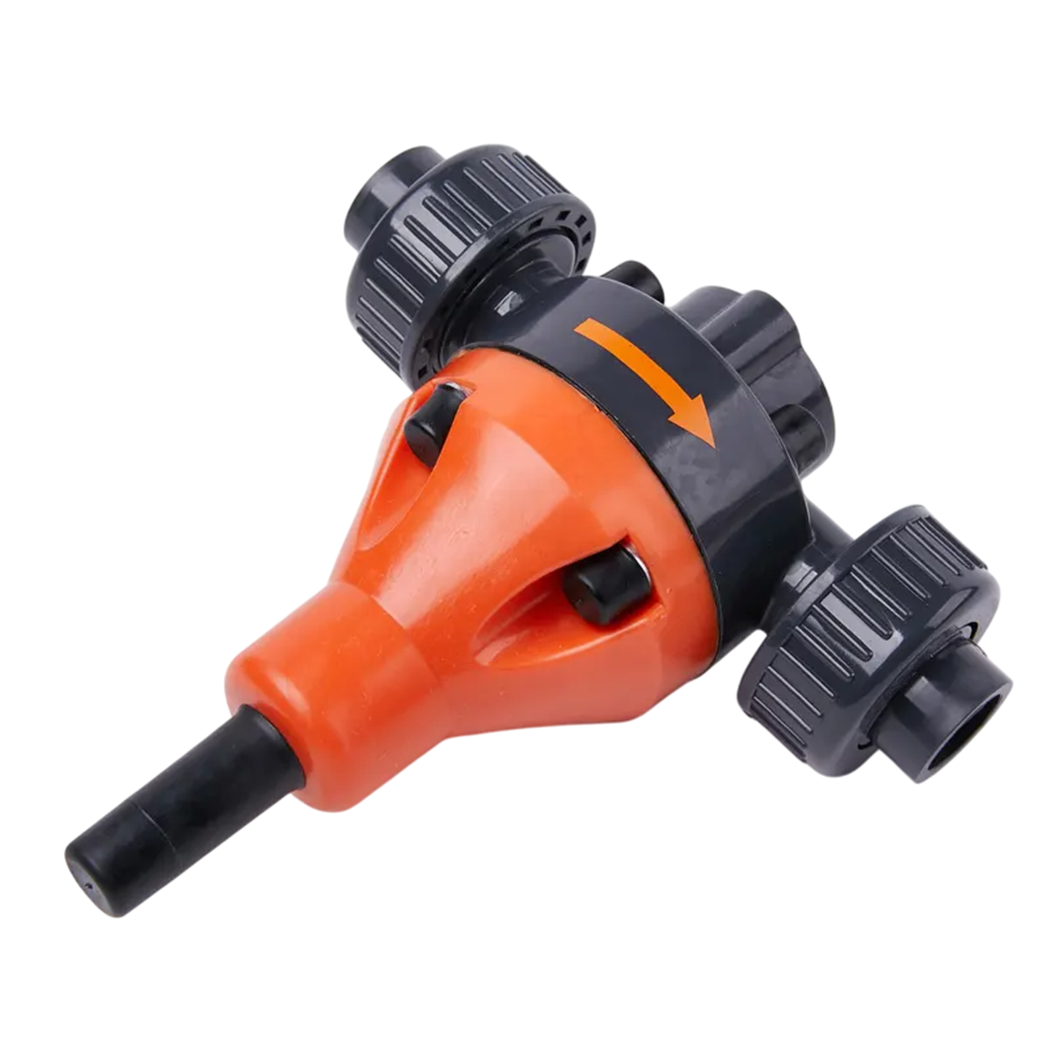
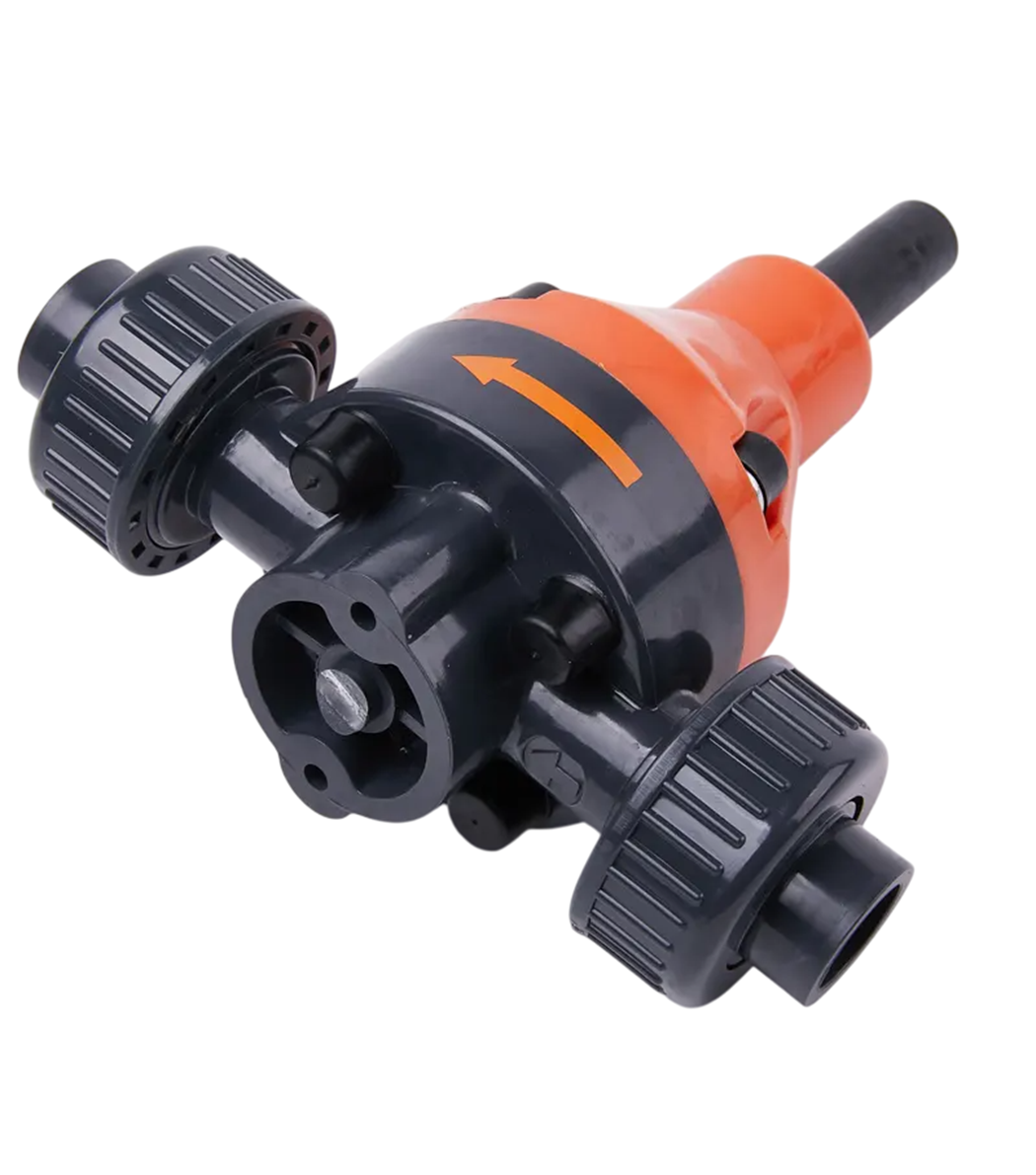
An UPVC pressure relief valve is a safety device made from unplasticized polyvinyl chloride that automatically releases excess pressure from a liquid piping system. Its corrosive-resistant plastic construction makes it ideal for chemical processing, water treatment, and other industrial applications.
How it works
UPVC pressure relief valves operate on a spring-loaded or diaphragm-based mechanism.
- The valve remains closed under normal operating pressure.
- An adjustable spring holds a sealing diaphragm in place.
- When system pressure exceeds the predetermined set point, the force of the fluid pushes the diaphragm away from its seal.
- This opens the valve and allows the excess fluid to be discharged.
- Once the pressure returns to a safe level, the spring force closes the valve again.
Key features
- Corrosion resistance: UPVC construction resists damage from aggressive chemicals, acids, and alkalis.
- Adjustable set pressure: The pressure at which the valve opens can be precisely adjusted and secured with a locknut.
- Durable seals: EPDM or FKM (Viton) seals ensure reliable, leak-proof performance.
- Low maintenance: The valve's simple, automatic function requires minimal servicing.
- Non-corrosive components: All parts that come into contact with the medium are corrosion-resistant for an extended service life.
Applications
UPVC pressure relief valves are used in a range of industries where preventing overpressure is critical for system and equipment safety.
- Water treatment: Protects filters, pumps, and membranes from damage caused by high pressure.
- Chemical processing: Safely controls pressure in piping systems that handle corrosive liquids.
- Dosing systems: Installed on the discharge line of a metering pump, these valves prevent siphoning and reduce water hammer.
- Canal and irrigation systems: Releases excess hydrostatic pressure behind canal linings to prevent damage.
Pressure relief vs. pressure reducing valves
While both types of valves manage system pressure, they serve different functions.
|
Feature |
Pressure Relief Valve |
Pressure Reducing Valve |
|
Primary function |
Overpressure protection. |
Downstream pressure control. |
|
Operation |
Opens when pressure exceeds a set point to release excess fluid. |
Continuously adjusts to maintain a constant, lower downstream pressure. |
|
Location |
Typically installed at the outlet or discharge side of a system. |
Installed on the inlet or upstream side of a system. |
|
Usage |
Emergency safety measure. |
Active control device for normal operation. |