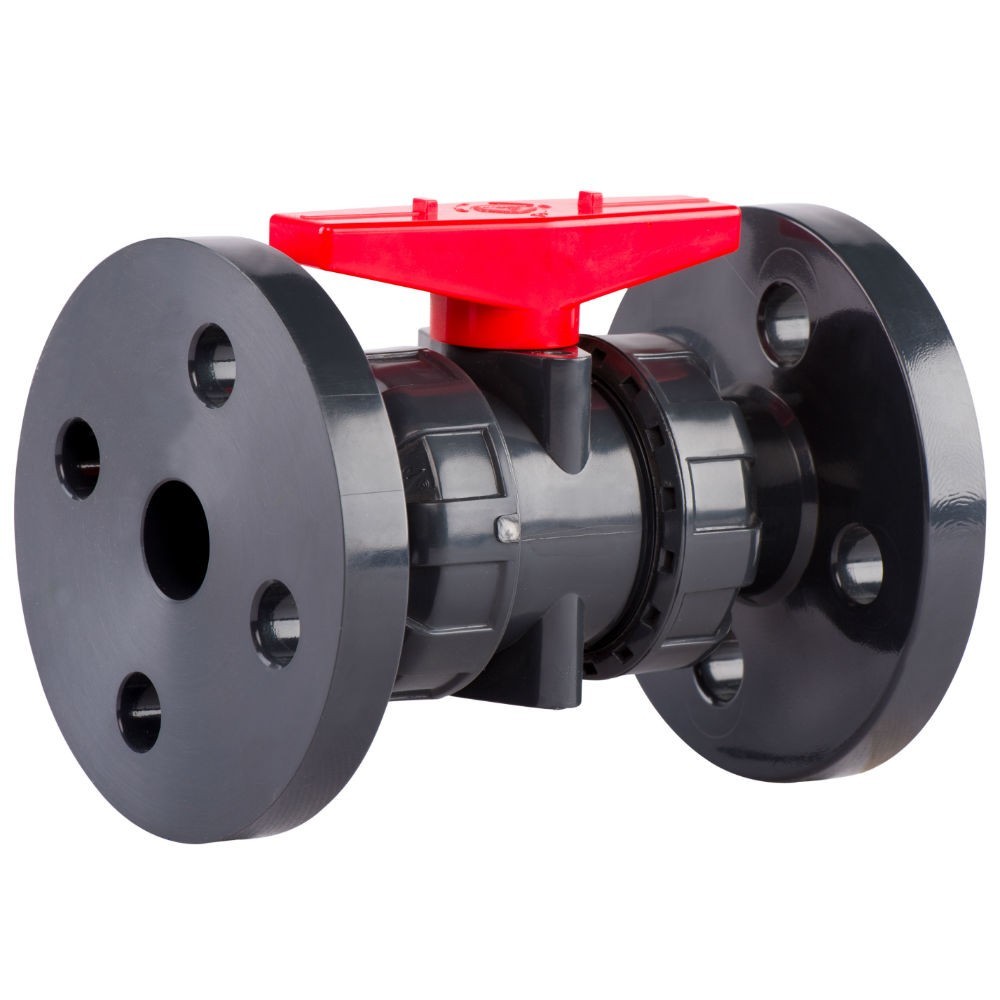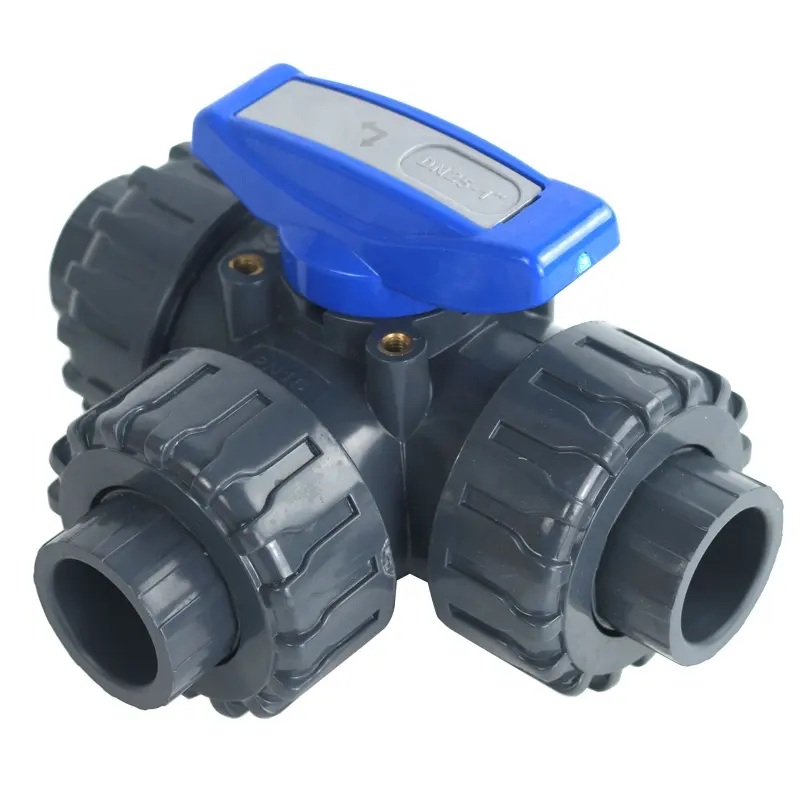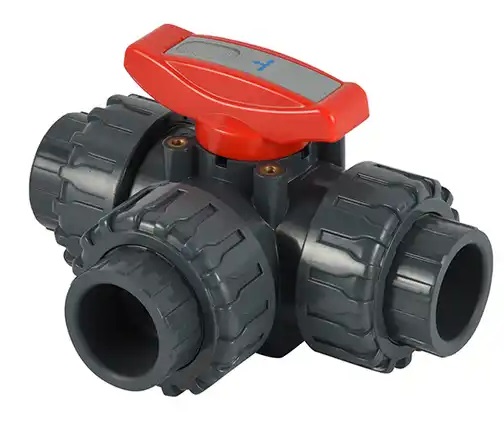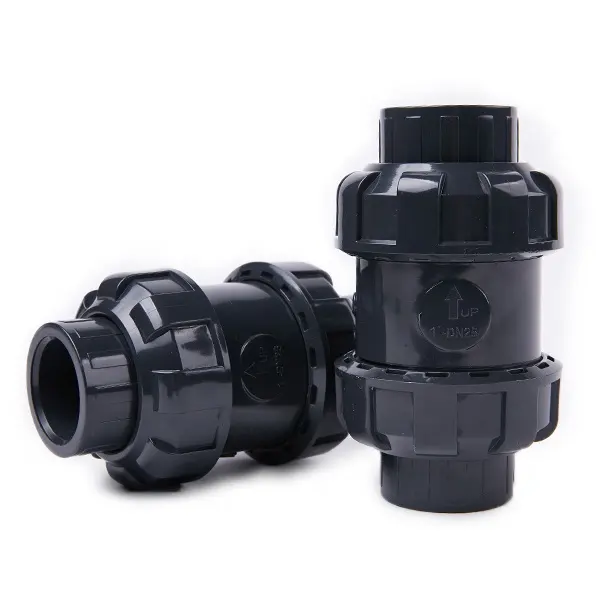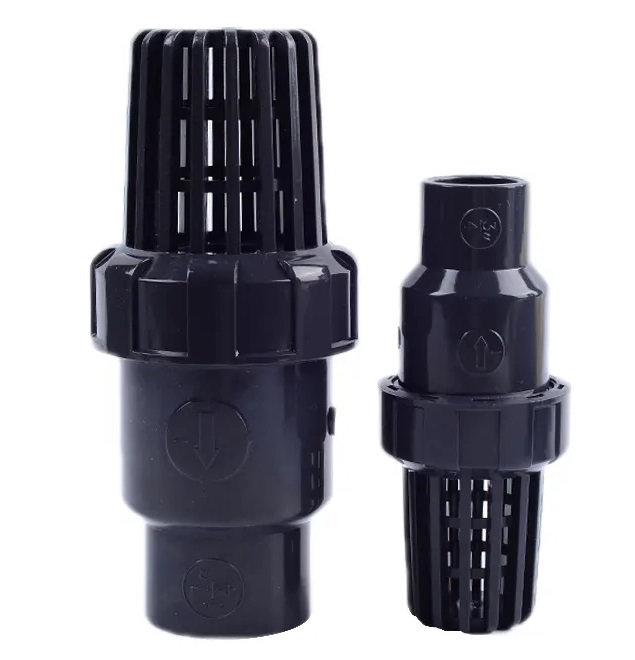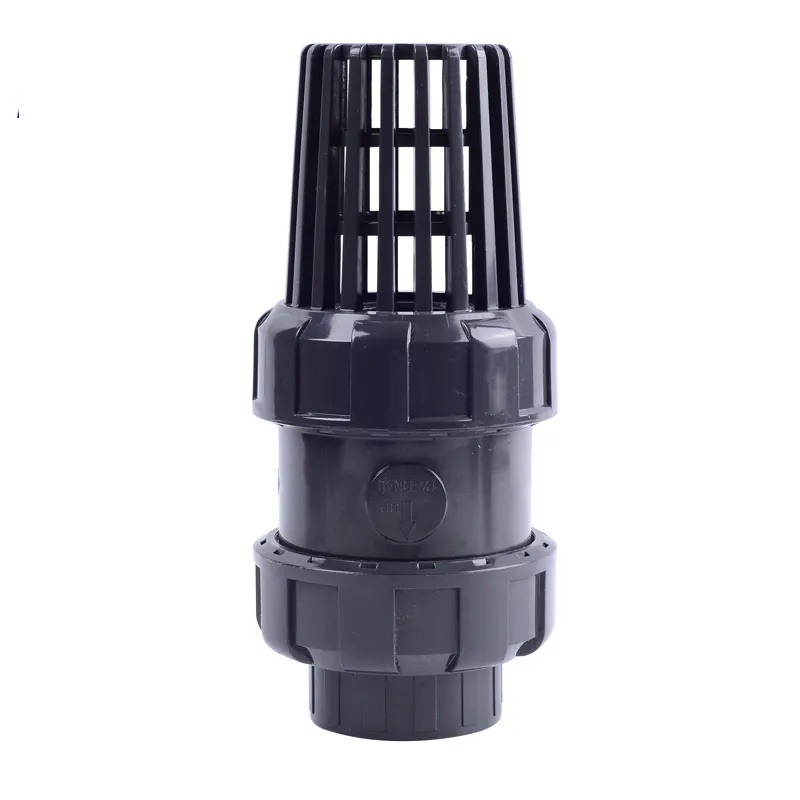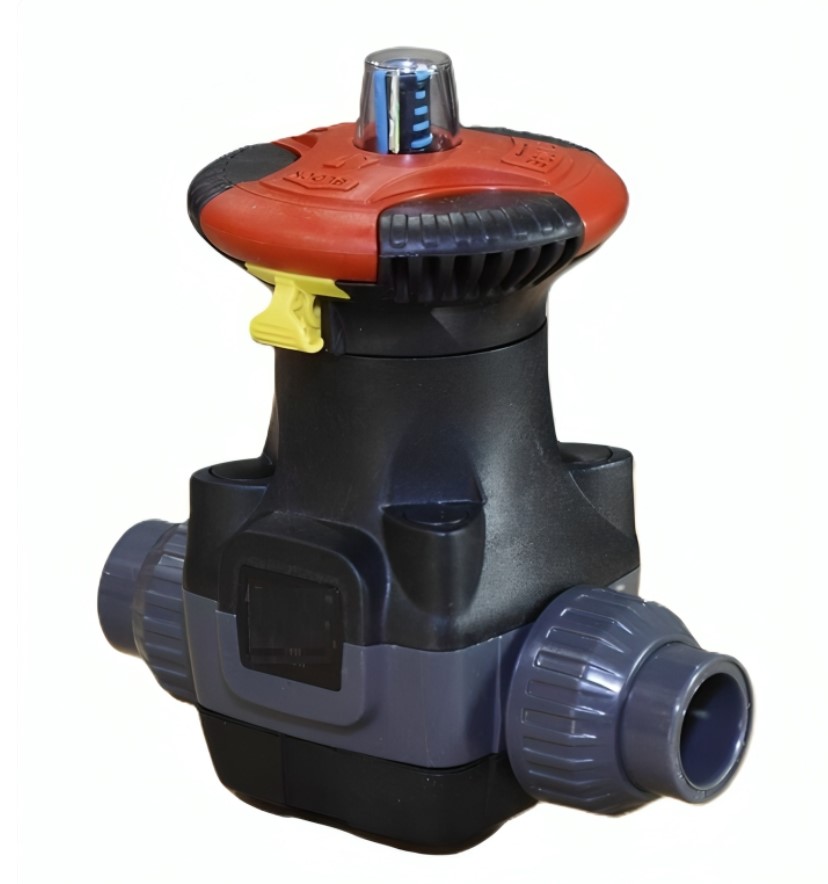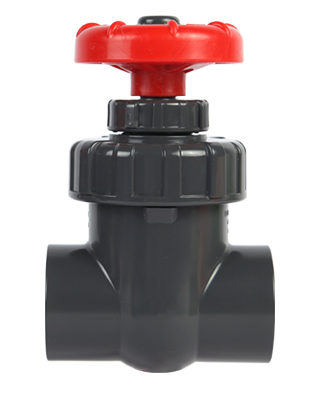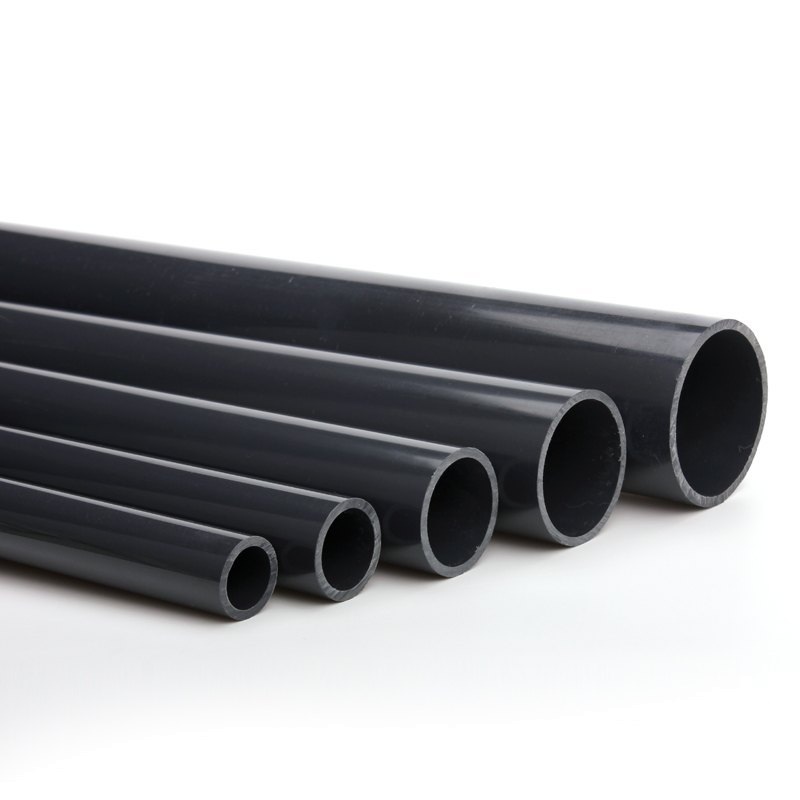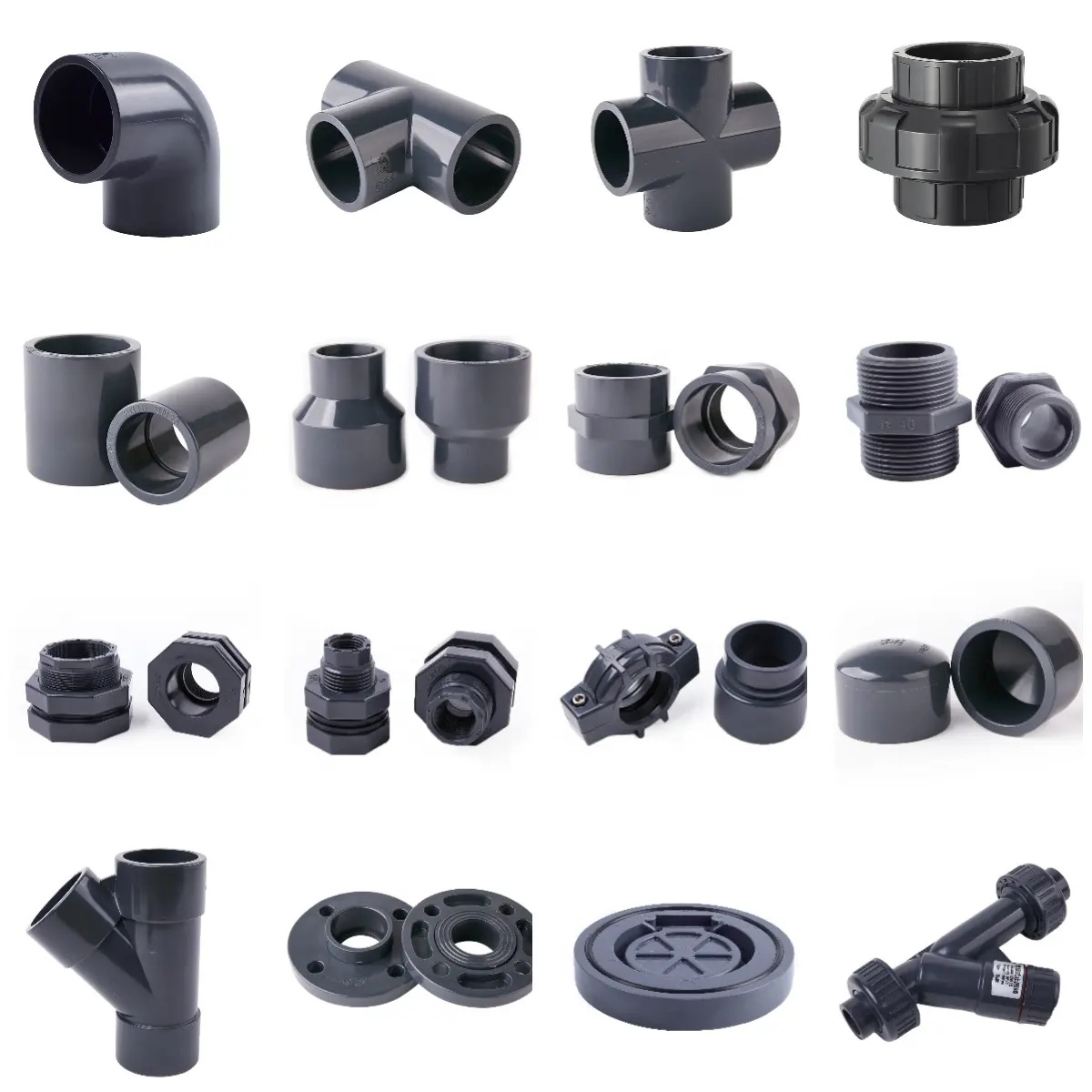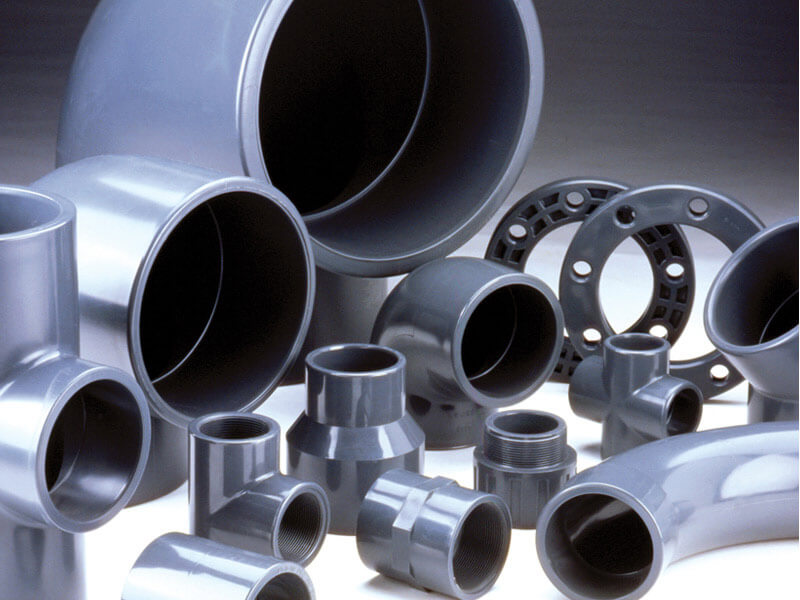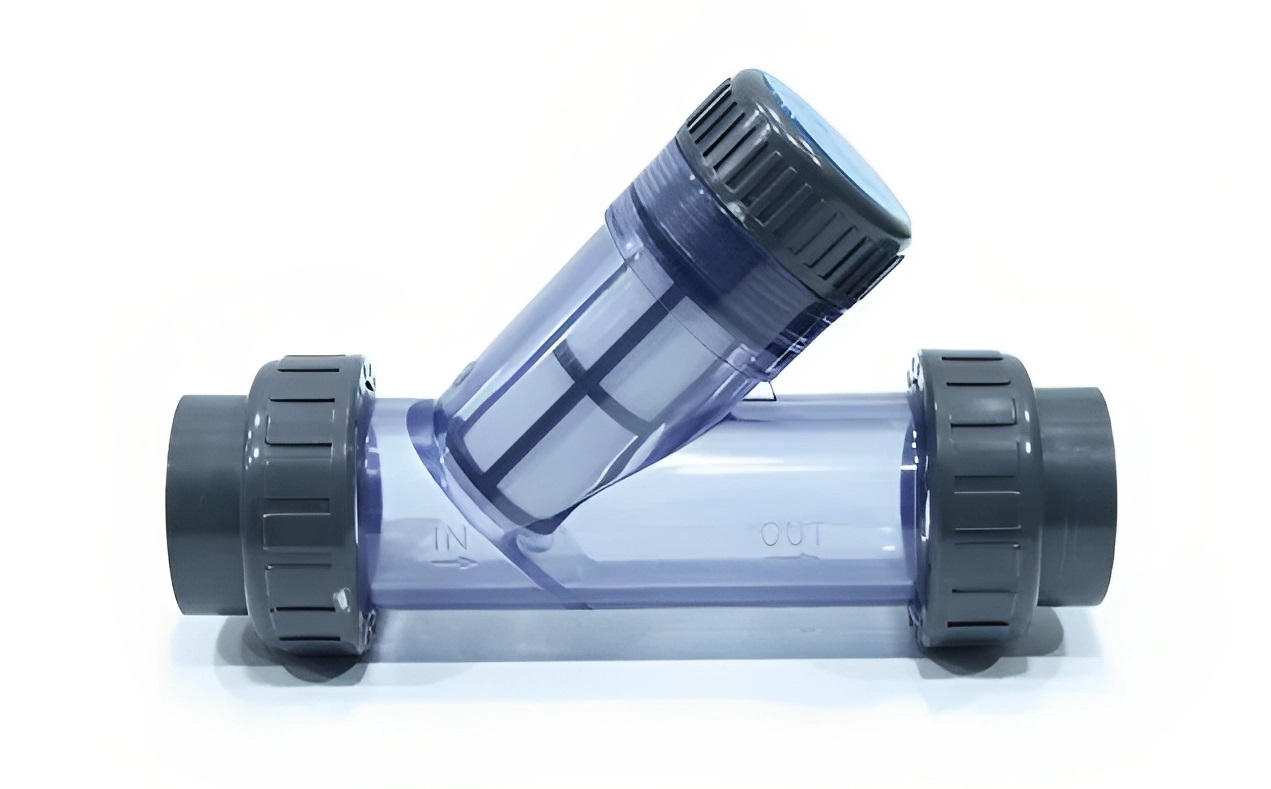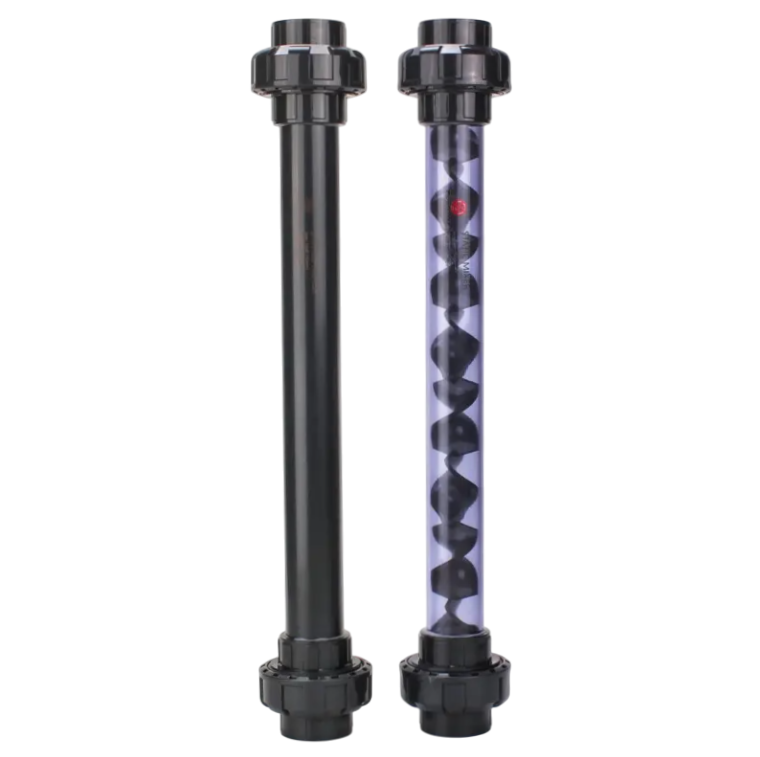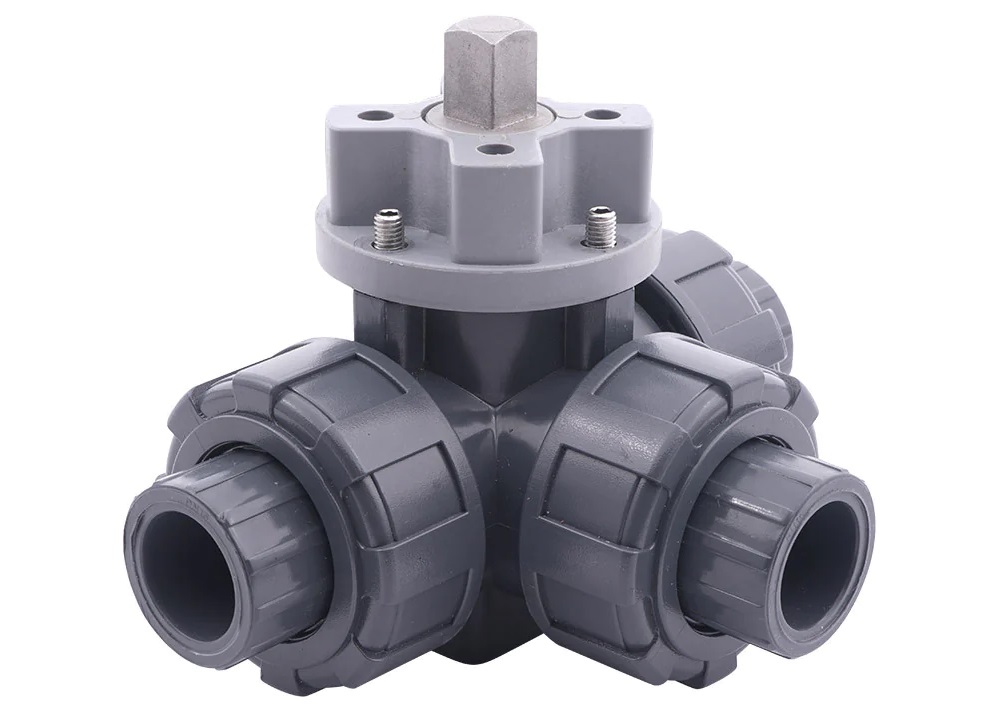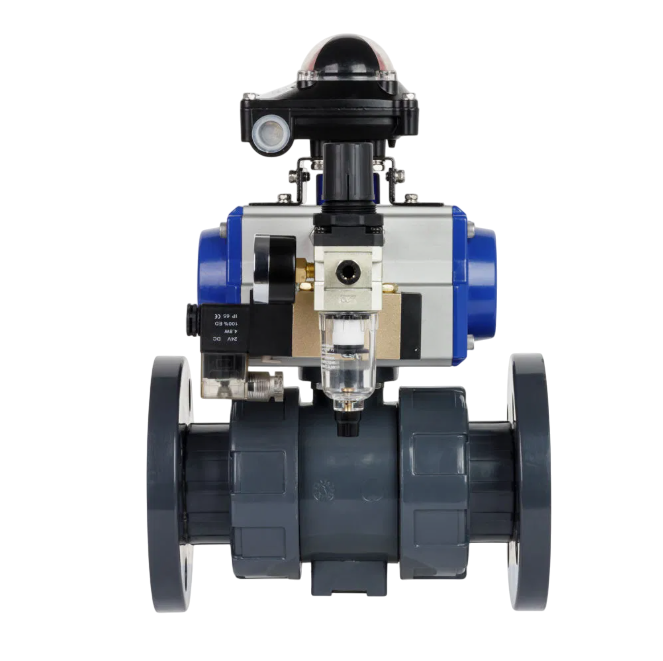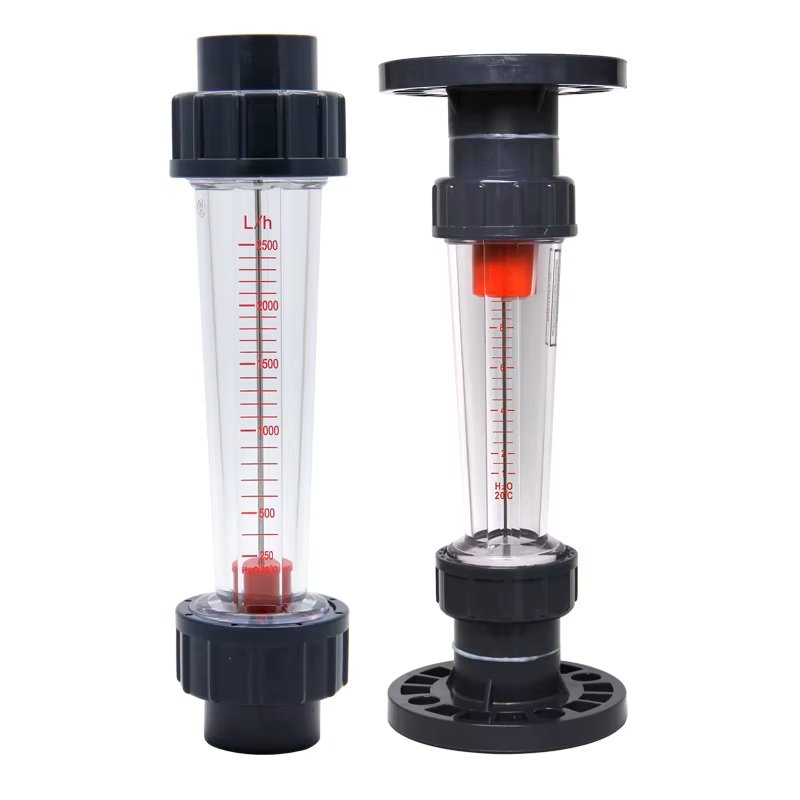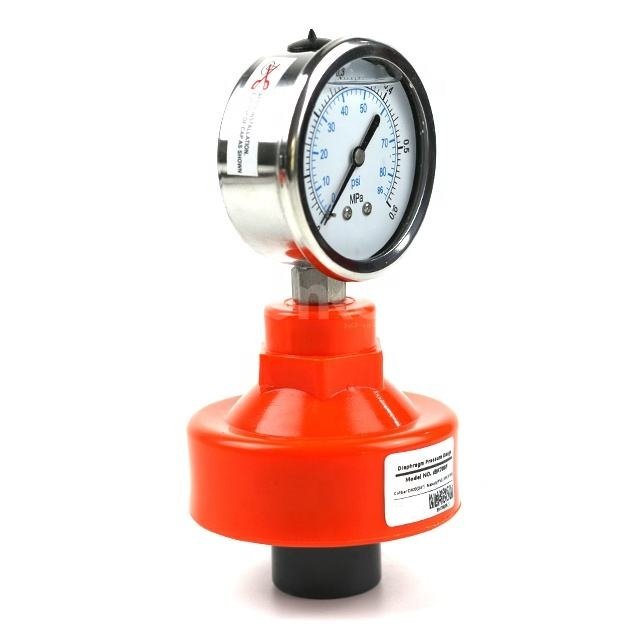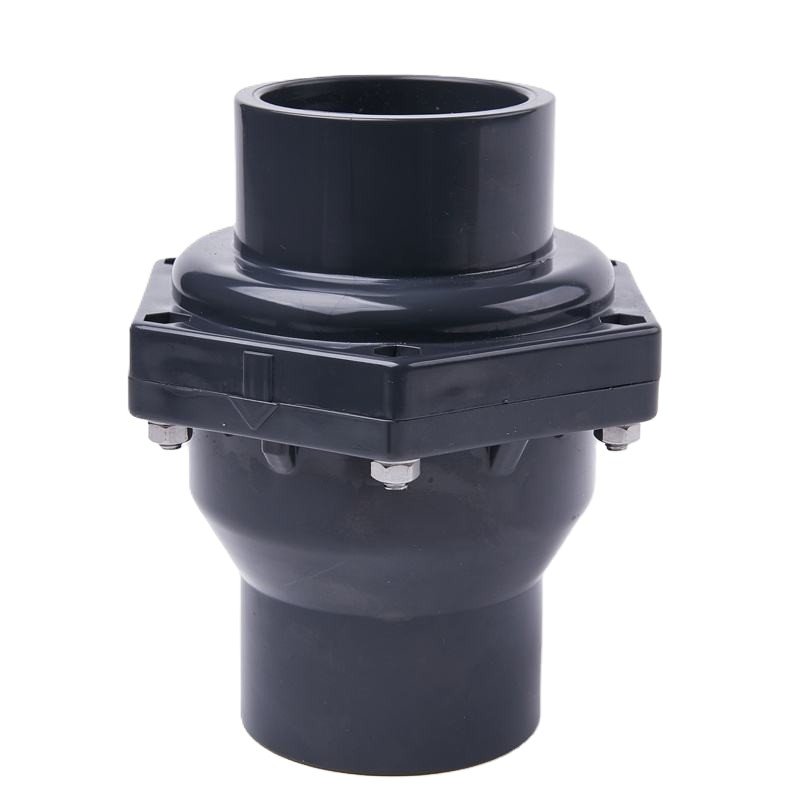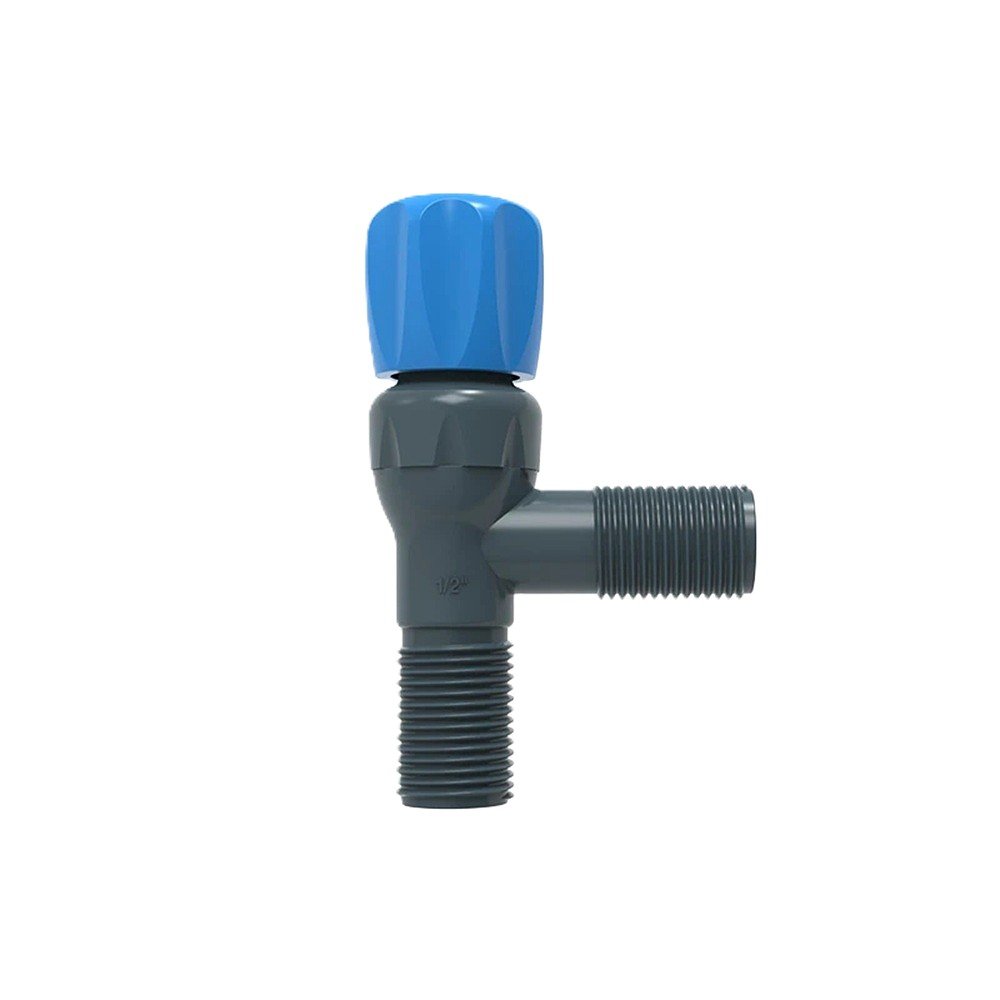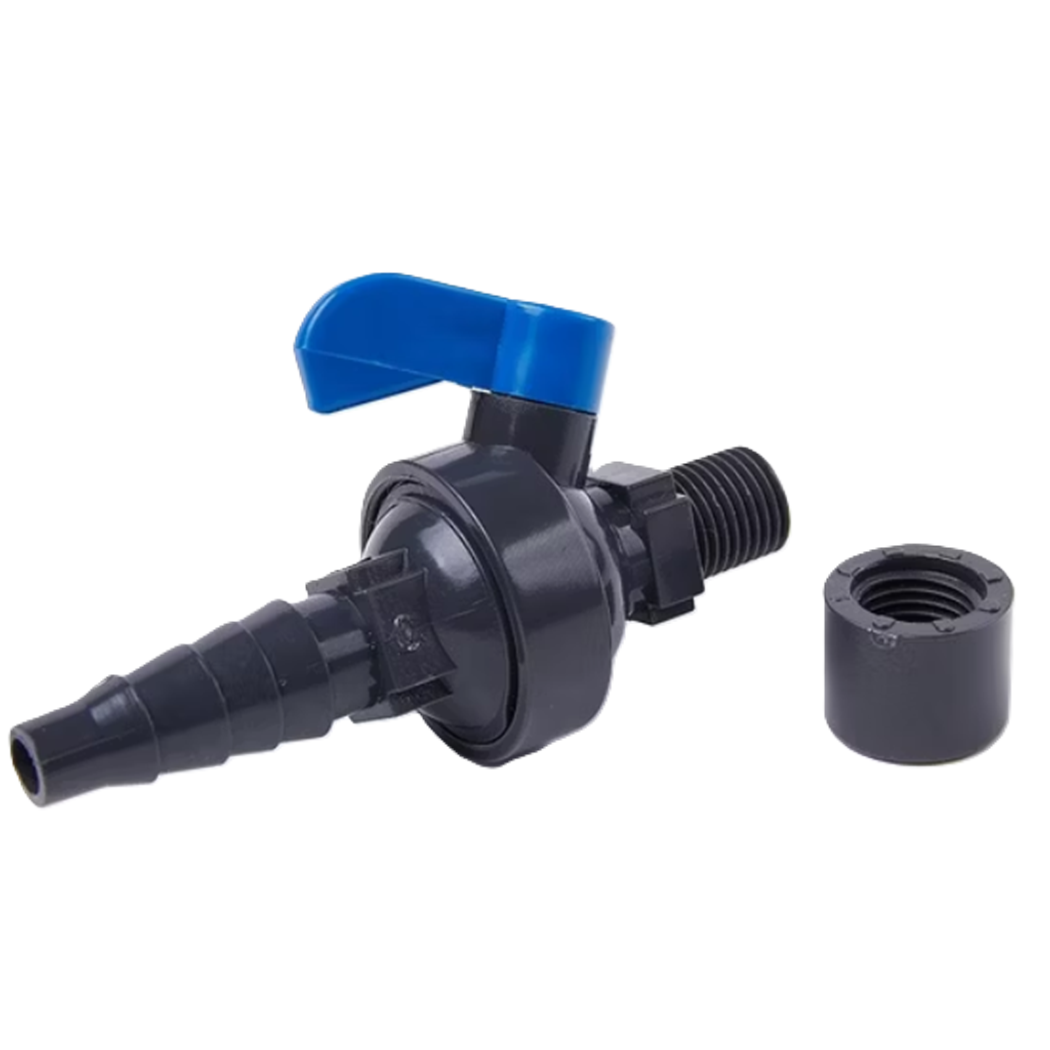
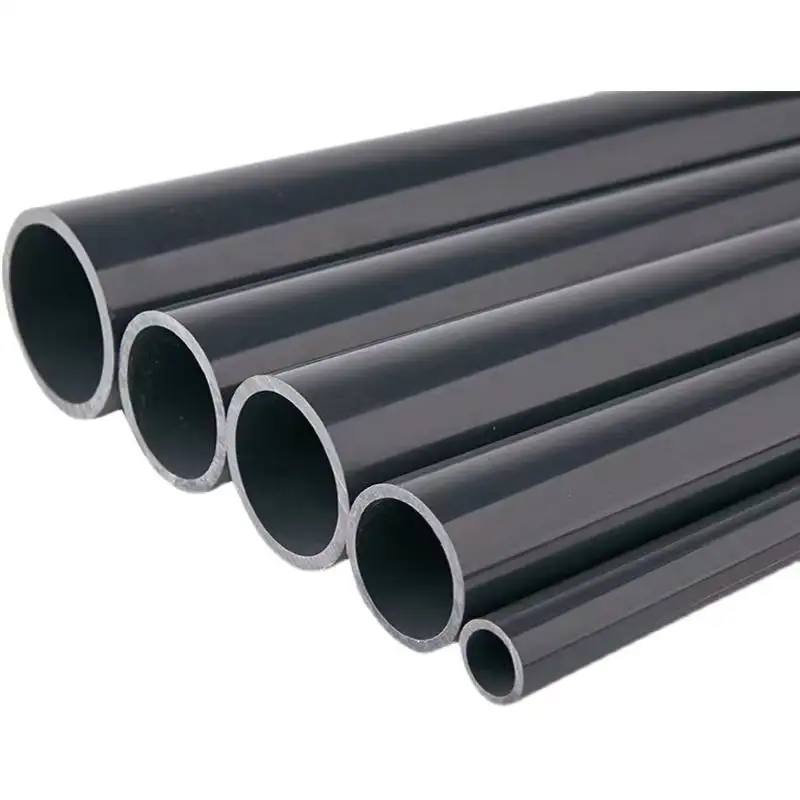
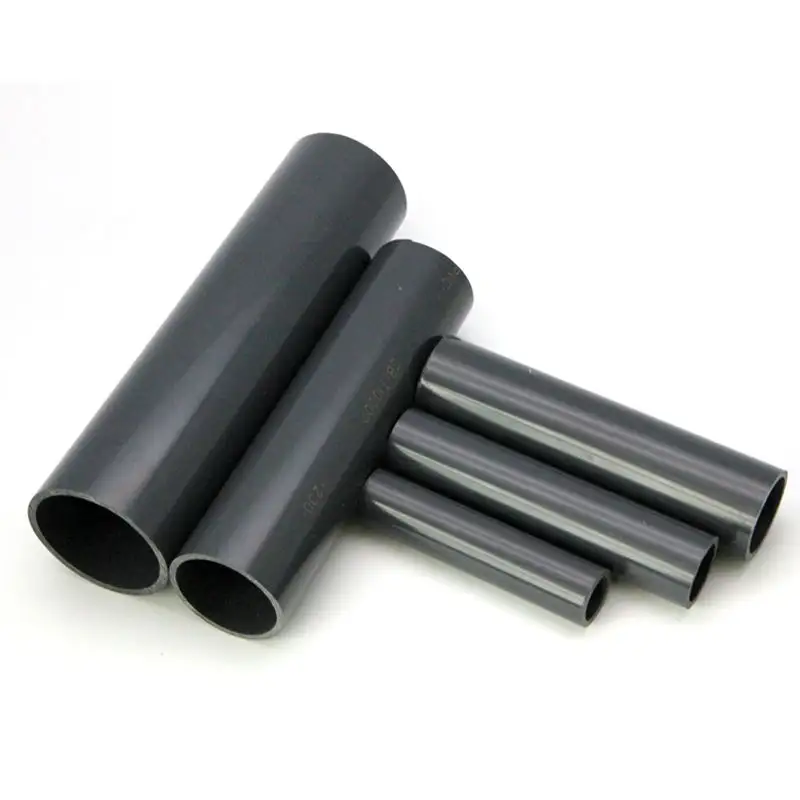
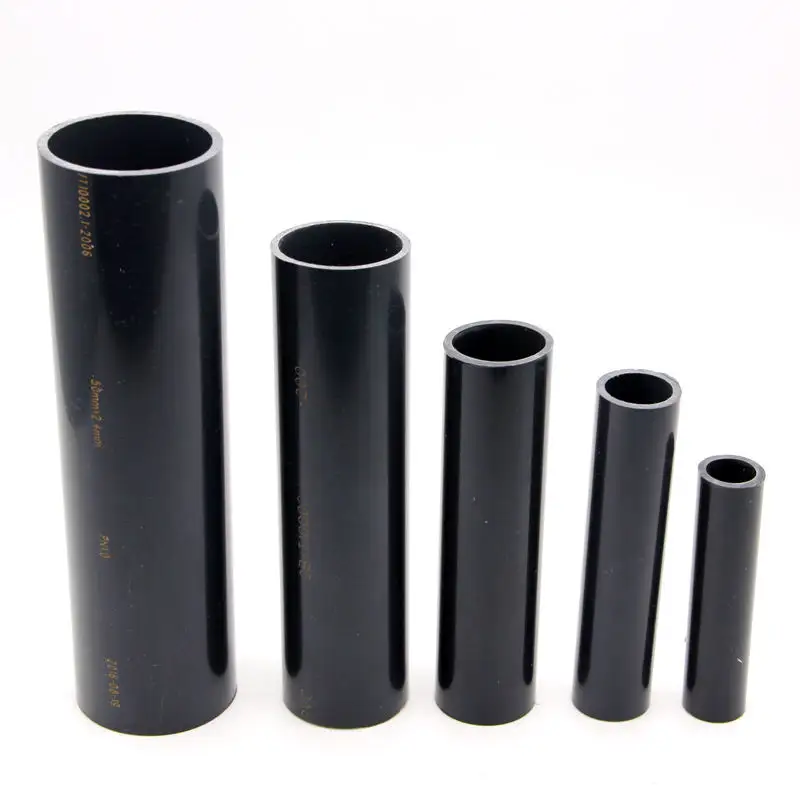
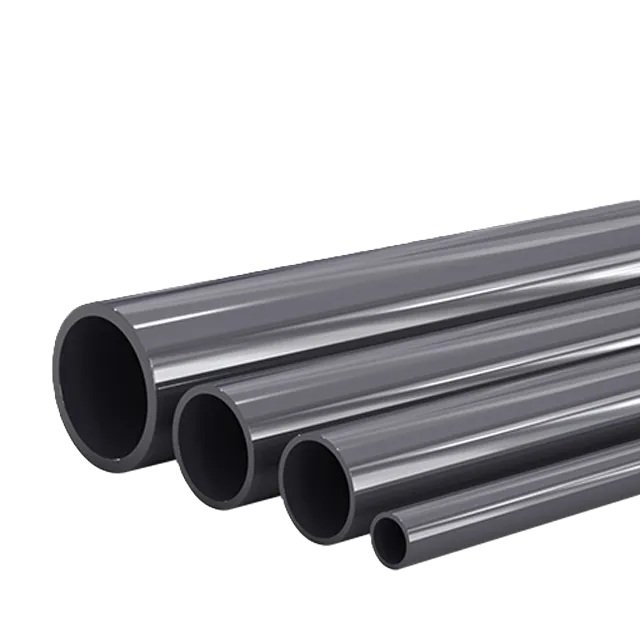
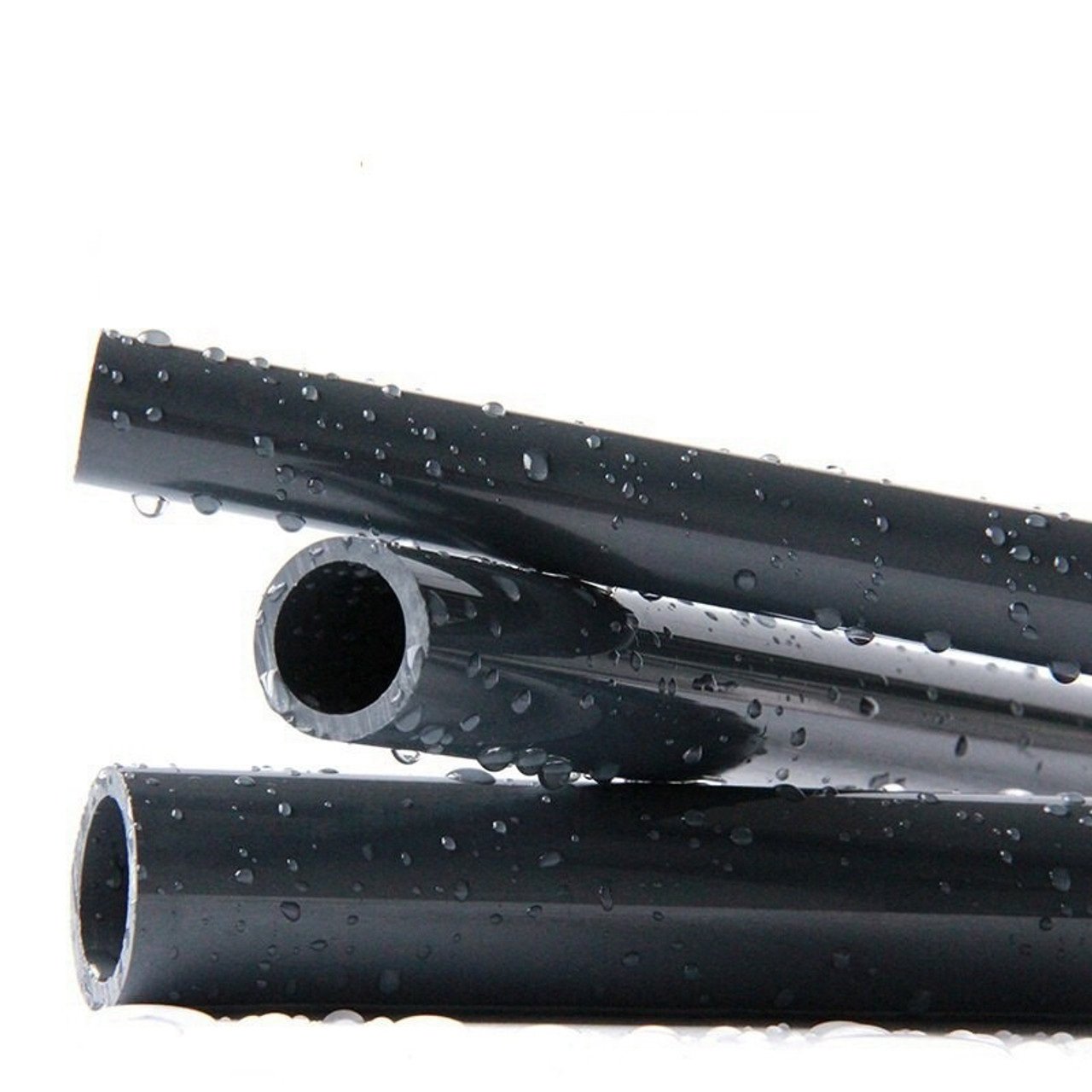
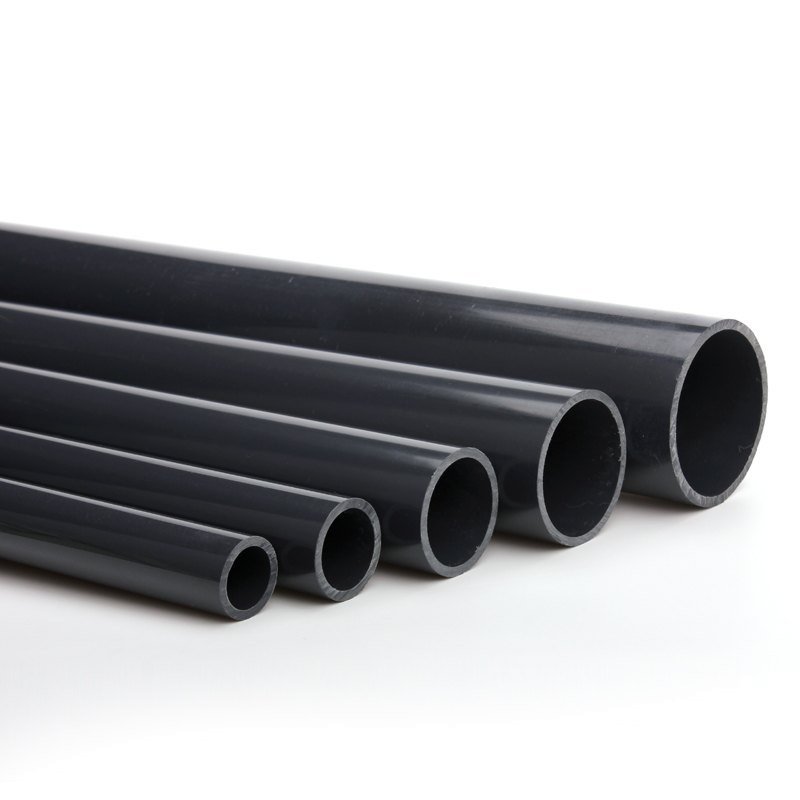
UPVC pipes conforming to DIN standards are regulated by DIN 8061 and DIN 8062,8063 which specify general quality requirements, testing methods, and dimensions for PVC-U pipes and tubes used for water supply and other applications. These standards ensure properties like corrosion resistance, smooth walls, and durability, with different types available for water supply and industrial uses.
Several DIN standards cover uPVC (unplasticized polyvinyl chloride) pipes, particularly for pressure and drainage applications.In the European Union, these have largely been superseded or incorporated by the harmonized EN standards, such as EN 1452.
Key DIN standards for uPVC pipes
- DIN 8061
PVC-U Pressure Pipes—Technical specifications for quality assurance. This standard specifies the general quality requirements and properties for uPVC pressure pipes.
- DIN 8062
PVC-U Pressure Pipes—Dimensions. This standard specifies the dimensions, including outside diameter and wall thickness, for uPVC pressure pipes. The dimensions correlate with specific pressure ratings.
- DIN 8063
PVC-U Fittings—Technical specifications and dimensions. This standard covers the technical specifications and dimensions for uPVC fittings, which are used to join uPVC pipes.
Standard designation and specifications
When referring to DIN standard uPVC pipes, several identifiers are often used to define the product precisely:
- dn (Nominal outside diameter): The standard specifies a range of diameters, typically from 20 mm up to 1000 mm or more.
- PN (Nominal pressure): This indicates the maximum permissible working pressure in bars at a reference temperature of 20°C. Common pressure ratings include PN10 (10 bar), PN16 (16 bar), and PN25 (25 bar).
- Material: The standard confirms the use of unplasticized polyvinyl chloride (PVC-U).
- Color: Pipes for specific applications may have different standard colors. For water supply, grey, blue, or cream are common colors, while drainage and sewage pipes are often grey or brown.
Global equivalents
For manufacturers and projects following international standards, DIN 8061 and 8062 have been widely aligned with or replaced by the international standard ISO 1452 for PVC-U piping systems for water supply. For example, ISO 1452-2 specifically covers the characteristics of uPVC pipes.
Many manufacturers list their products as compliant with both DIN and ISO standards to meet broad market requirements.
Features of DIN-Standard UPVC Pipes
- Corrosion Resistance: They are resistant to acids and alkalis, making them suitable for chemical applications.
- Durability: UPVC pipes offer a long service life, typically lasting 30 to 50 years.
- Low Fluid Resistance: Their smooth inner surfaces reduce friction, increasing flow efficiency.
- Lightweight: UPVC pipes are much lighter than steel, making them easier to transport and install.
- Water Quality: The material does not affect water quality, making it ideal for potable water systems.
- Mechanical Strength: They possess good resistance to water pressure and external impacts.
Applications
- Water Supply: DIN-standard UPVC pipes are widely used in water supply systems for both domestic and industrial purposes.
- Industrial Applications: Their chemical resistance makes them suitable for industrial pipelines, especially in chemical plants.
- Drainage Systems: They can also be used in drainage systems.